

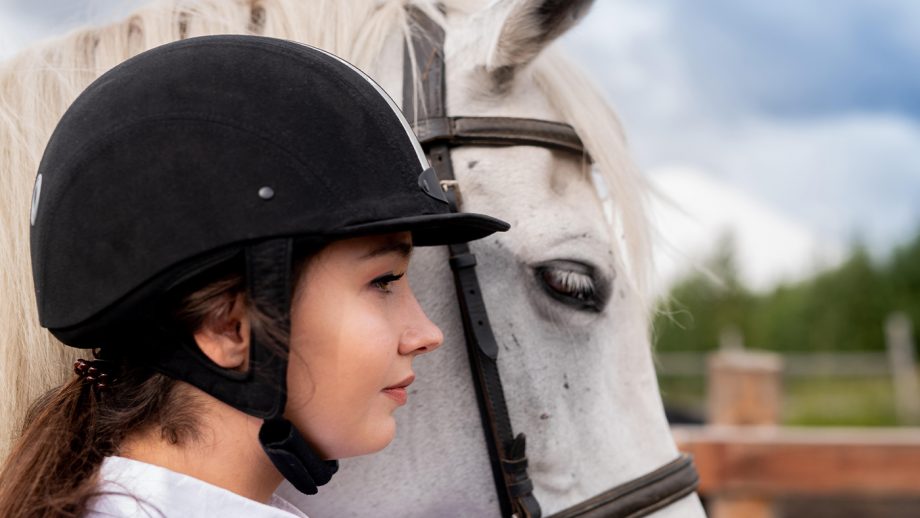
Getting started with horseback riding is exciting, but it also comes with important safety considerations. One of the most critical pieces of protective gear for new riders is a well-fitted helmet. Understanding equestrian helmet safety for beginners can make a significant difference in reducing the risk of head injuries and ensuring a confident start in the saddle.
This guide covers the essentials of helmet safety, including how to choose the right helmet, what safety standards matter, and how to care for your gear. If you’re new to riding, prioritizing your safety from day one will help you enjoy the sport with peace of mind. For those seeking tailored advice on helmet fit, check out how to find the right riding helmet for your head shape for more detailed guidance.
Why Helmet Safety Matters for New Riders
Horseback riding, while rewarding, carries inherent risks. Falls and unexpected movements can happen to anyone, regardless of experience. For beginners, the risk is often higher due to unfamiliarity with horse behavior and riding techniques. Wearing a certified riding helmet is the most effective way to protect your head from serious injury in the event of an accident.
Statistics show that head injuries are among the most common and severe outcomes of riding accidents. A properly fitted helmet can absorb impact, reduce the force transferred to the skull, and potentially save your life. That’s why every beginner should make helmet safety a top priority before stepping into the stirrups.
Understanding Equestrian Helmet Standards
Not all helmets are created equal. When shopping for your first helmet, look for models that meet recognized safety standards. These certifications ensure that the helmet has passed rigorous testing for impact resistance, retention, and coverage. Common standards include:
- ASTM/SEI (American Society for Testing and Materials/Safety Equipment Institute) – Widely used in the United States.
- VG1 – A European standard for equestrian helmets.
- PAS015 – Another respected European safety certification.
Helmets should display the certification label inside the shell or on the harness. Avoid using bicycle, ski, or other sports helmets for riding, as they are not designed for equestrian-specific impacts.
Choosing the Right Helmet: Fit and Comfort
Proper fit is essential for equestrian helmet safety for beginners. A helmet that is too loose or too tight can compromise protection and comfort. Here’s how to ensure a good fit:
- Measure your head circumference just above the eyebrows and ears.
- Try on several helmets in your size range. The helmet should fit snugly but not painfully tight.
- Fasten the chin strap securely. The helmet should not move when you shake your head.
- Check that the helmet sits level on your head, covering the forehead without obstructing vision.
For a step-by-step guide on sizing, see how to measure head circumference for horses. Remember, comfort is also important—if your helmet is uncomfortable, you’re less likely to wear it consistently.

Key Features to Look for in a Beginner’s Helmet
When selecting your first riding helmet, consider these important features:
- Ventilation: Good airflow keeps you cool and comfortable, especially during long rides or warm weather.
- Adjustable Fit Systems: Many helmets offer dial-fit or adjustable padding for a more customized fit.
- Removable Liners: Liners that can be removed and washed help maintain hygiene.
- MIPS Technology: Some helmets incorporate Multi-directional Impact Protection System (MIPS), which adds a layer of rotational impact protection. Learn more about how MIPS technology enhances helmet safety.
- Secure Retention System: A reliable chin strap and harness are crucial for keeping the helmet in place during a fall. For a deeper dive, see the importance of a secure helmet retention system.
Choose a helmet that suits your riding discipline and personal style, but never compromise on safety certifications or fit.
Helmet Care and Replacement Guidelines
Maintaining your helmet is essential for ongoing protection. Always store your helmet in a cool, dry place away from direct sunlight and extreme temperatures. Clean the outer shell with mild soap and water, and wash removable liners as recommended by the manufacturer.
Helmets are designed to absorb a single significant impact. If you fall and hit your head, replace your helmet immediately—even if there’s no visible damage. Additionally, helmets should be replaced every 3–5 years due to aging materials and normal wear. For more information on when to replace your helmet, read about the impact of age on helmet protective foam.
Common Mistakes Beginners Make with Helmet Safety
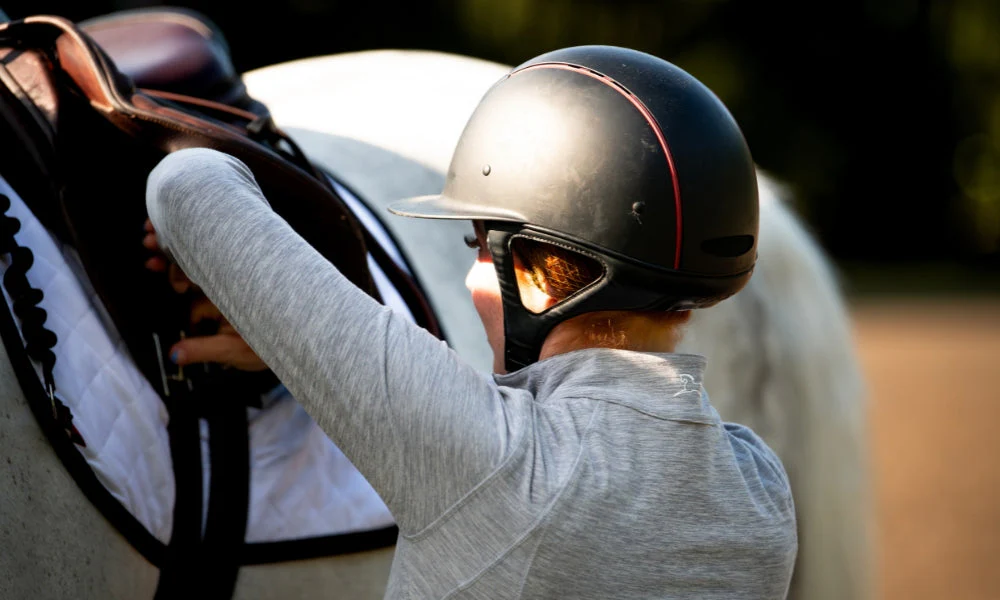
Even with the best intentions, new riders sometimes make avoidable mistakes that reduce helmet effectiveness. Watch out for these common pitfalls:
- Wearing a helmet that is too old or has suffered a previous impact.
- Choosing a helmet based on looks rather than safety certifications.
- Not fastening the chin strap securely, allowing the helmet to shift or fall off.
- Using a helmet designed for another sport, which may not provide adequate protection for riding.
- Ignoring the importance of regular fit checks as your head shape or hairstyle changes.
Being aware of these issues helps ensure your helmet delivers the protection you need every time you ride.
Tips for Building Safe Riding Habits
Beyond wearing a helmet, developing safe habits is key for beginners. Here are a few practical tips:
- Always wear your helmet, even for short or “easy” rides.
- Double-check the fit and chin strap before mounting your horse.
- Encourage friends and family to wear helmets as well—safety sets a good example.
- Stay up to date with the latest safety recommendations and helmet technologies.
- Consider reading about how to choose a helmet for eventing if you plan to try different riding disciplines.
Building these habits early will serve you well throughout your riding journey.
Frequently Asked Questions
How do I know if my helmet fits correctly?
A properly fitted helmet should sit level on your head, feel snug but not painfully tight, and remain stable when you shake your head. The chin strap should be secure, and the helmet should not move independently of your head. For more details, refer to sizing guides and try on several models before purchasing.
Can I use a bike or ski helmet for horseback riding?
No. Helmets designed for other sports do not provide the same type of protection required for equestrian activities. Always use a helmet specifically certified for horseback riding to ensure adequate safety.
When should I replace my riding helmet?
Replace your helmet immediately after any significant impact, even if there’s no visible damage. Otherwise, plan to replace it every 3–5 years, as materials degrade over time and may not offer optimal protection.
What is MIPS technology, and do I need it?
MIPS stands for Multi-directional Impact Protection System, a technology designed to reduce rotational forces during certain impacts. While not mandatory, helmets with MIPS can offer additional protection, especially for beginners concerned about falls.
Conclusion
Starting your riding journey with a focus on equestrian helmet safety for beginners is one of the smartest decisions you can make. By choosing a certified, well-fitted helmet and developing safe habits, you’ll protect yourself and set a positive example for others. Remember to check your helmet regularly, replace it as needed, and stay informed about new safety technologies. With the right approach, you can enjoy horseback riding with greater confidence and peace of mind.