

Wearing a riding helmet is one of the most important safety measures for anyone involved in equestrian activities. However, simply placing a helmet on your head is not enough—proper strap adjustment is essential for both comfort and protection. If the straps are too loose, the helmet may shift or come off during a fall. If they are too tight, discomfort and even headaches can result. Learning how to adjust equestrian helmet straps is a fundamental skill that every rider should master.
This guide will walk you through the process of achieving a snug, secure fit with your helmet straps, explain why proper adjustment matters, and offer tips for maintaining your helmet’s safety features over time. For those still seeking the best helmet for their needs, resources like how to find the right riding helmet for your head shape can help you start with the right equipment.
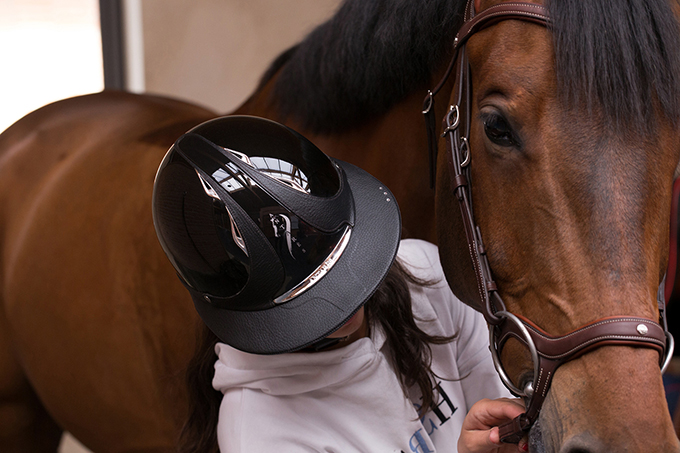
Why Proper Helmet Strap Adjustment Matters
A well-fitted helmet can make the difference between a minor bump and a serious injury. The retention system—primarily the chin and side straps—keeps the helmet in place during sudden movements or impacts. According to safety experts, a helmet that shifts or comes loose provides significantly less protection. For a deeper understanding of the importance of retention systems, see the article on the importance of a secure helmet retention system.
Besides safety, comfort is another key reason to ensure your helmet straps are correctly adjusted. Straps that dig into your skin or cause pressure points can distract you while riding, leading to a less enjoyable experience. Regularly checking and adjusting your straps helps maintain both safety and comfort every time you ride.
Understanding the Parts of Your Helmet Straps
Before making adjustments, it’s helpful to know the components involved:
- Chin Strap: The main strap that fastens under your chin, usually with a buckle or clip.
- Side Straps: These run from the helmet down to the chin strap, forming a “Y” shape around your ears.
- Adjustment Sliders: Plastic or metal pieces that allow you to lengthen or shorten the side straps.
- Buckle or Clip: The mechanism that secures the chin strap in place.
Understanding these parts will make the adjustment process easier and ensure you achieve a secure fit.

Step-by-Step Guide: Adjusting Helmet Straps for Equestrian Safety
Follow these steps to ensure your helmet fits securely and comfortably:
-
Position the Helmet Correctly
Place the helmet level on your head, covering your forehead but not obstructing your vision. The front rim should sit about one to two finger-widths above your eyebrows.
-
Adjust the Side Straps
Locate the sliders on each side. Move them up or down so the straps form a “Y” shape just below your earlobes. Both sides should be even. The straps should not twist or bunch up.
-
Secure the Chin Strap
Fasten the buckle or clip under your chin. Tighten the strap so it is snug but not uncomfortable. You should be able to fit one or two fingers between the strap and your chin. If the strap is too loose, the helmet may shift; too tight, and it will cause discomfort.
-
Check the Fit
Shake your head gently from side to side and up and down. The helmet should stay in place without wobbling. Open your mouth wide; you should feel the helmet press down slightly on the top of your head. If not, tighten the chin strap a bit more.
-
Final Adjustments
Make sure all straps are flat against your head and not twisted. Check that the buckle is secure and not pressing into your skin. If your helmet has a rear dial or other fit system, adjust it for a snug, even fit all around.
Common Mistakes When Adjusting Riding Helmet Straps
Even experienced riders sometimes overlook key details when fitting their helmets. Here are some frequent errors to avoid:
- Leaving the chin strap too loose, allowing the helmet to shift or fall off.
- Positioning the side straps too high or too low, which can affect stability.
- Twisting the straps, causing discomfort and uneven pressure.
- Failing to check the fit after adjustments, especially if wearing a new hairstyle or different clothing.
- Ignoring signs of wear or damage on the straps or buckle.
Regularly reviewing your helmet’s fit and strap condition is essential for ongoing safety.

Tips for Maintaining Helmet Strap Performance
Proper adjustment is only part of the equation—maintenance also plays a role in helmet safety. Here are some practical tips:
- Inspect straps and buckles for fraying, cracks, or other damage before every ride.
- Clean straps regularly with mild soap and water to remove sweat and dirt.
- Allow your helmet to air dry completely after cleaning or heavy use.
- Replace the helmet if straps or buckles show signs of significant wear or if the helmet has been involved in a fall.
- Be aware of the impact of age on helmet protective foam, as aging materials can compromise safety even if straps appear intact.
These habits will help you get the most protection and longevity from your riding helmet.
Advanced Features: Modern Helmet Strap Technologies
Some modern helmets include advanced retention systems or technologies designed to further enhance safety and comfort. For example, the MIPS (Multi-directional Impact Protection System) is designed to reduce rotational forces during certain impacts. To learn more about these innovations and their benefits, see this overview of the MIPS system in horse riding helmets.
When considering a new helmet, look for features that make adjustment easier and provide a more secure fit. Some helmets offer quick-release buckles, antimicrobial strap linings, or micro-adjustment dials for a customized fit.
Frequently Asked Questions
How tight should equestrian helmet straps be?
The straps should be snug enough that the helmet does not move when you shake your head, but not so tight that they cause discomfort or restrict breathing. You should be able to fit one or two fingers between the strap and your chin.
How often should I check and readjust my helmet straps?
It’s recommended to check your helmet fit and straps before every ride. Adjustments may be needed if you change your hairstyle, wear a hat or headband underneath, or after cleaning the helmet.
What should I do if my helmet straps are damaged?
If you notice fraying, cracks, or broken buckles, replace the straps or the entire helmet immediately. Damaged straps can compromise the helmet’s ability to protect you in a fall.
Can I adjust my helmet straps while wearing gloves?
It’s best to adjust straps with bare hands for accuracy and comfort. Gloves can make it harder to feel if the straps are twisted or properly tightened.
Is there a difference in strap adjustment for children’s helmets?
The adjustment process is the same, but it’s especially important to check children’s helmets regularly as they grow. Make sure the helmet fits their current head size and that the straps are always properly adjusted.
Conclusion
Mastering how to adjust equestrian helmet straps is a simple yet crucial step in protecting yourself every time you ride. By following the steps outlined above, regularly checking your helmet’s fit, and staying informed about new safety technologies, you can ride with greater confidence and peace of mind. For additional guidance on helmet selection and sizing, explore resources like how to measure head circumference for horses and stay updated on the difference between UK and US riding standards to ensure your gear meets the highest safety criteria.