

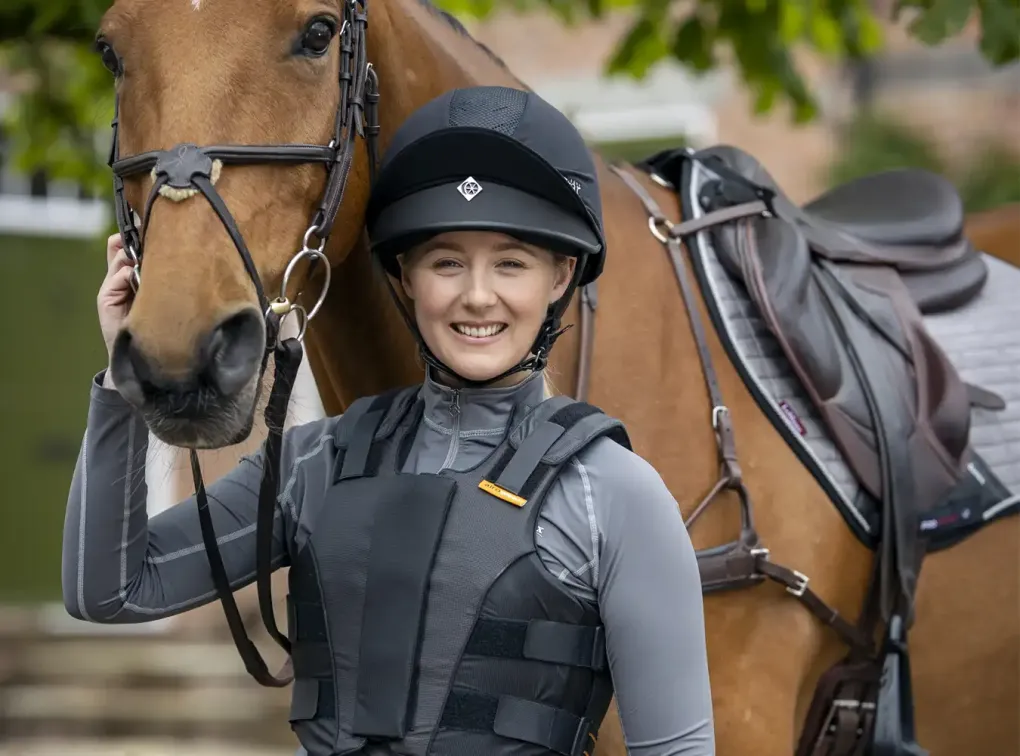
Ensuring your child wears a properly fitted riding helmet is one of the most important steps you can take to protect them during equestrian activities. A well-chosen helmet significantly reduces the risk of head injuries, but only if it fits correctly and meets current safety standards. This guide will walk parents through the essential steps for selecting and adjusting a helmet for young riders, highlighting key safety tips and practical advice.
Understanding how to fit a child for a riding helmet involves more than just picking the right size off the shelf. It requires careful measurement, knowledge of helmet features, and regular checks as your child grows. For additional guidance on choosing the best helmet for unique head shapes, see how to find the right riding helmet for your head shape.
Why Proper Helmet Fit Matters for Children
Children’s heads are still developing, and a helmet that is too loose or too tight can compromise both safety and comfort. A poor fit may cause the helmet to shift during a fall, exposing vulnerable areas. Additionally, discomfort can discourage kids from wearing their helmets consistently. That’s why learning the correct process for fitting a child’s riding helmet is crucial for every parent.
Helmets designed for equestrian use are engineered to absorb impact and protect against rotational forces. Some modern helmets even incorporate advanced technologies like MIPS (Multi-directional Impact Protection System). To learn more about these innovations, visit the MIPS technology overview.
Measuring Your Child’s Head for the Right Fit
Before shopping for a helmet, you’ll need to measure your child’s head accurately. Use a soft measuring tape and follow these steps:
- Place the tape about one inch above the eyebrows, wrapping it around the widest part of the head.
- Ensure the tape is level and snug, but not tight.
- Record the measurement in centimeters, as most helmet sizing uses metric units.
If you need a detailed explanation, refer to how to measure head circumference for horses, which also applies to children’s helmet sizing.
Once you have the measurement, compare it to the manufacturer’s size chart. Always try the helmet on, as head shapes vary and sizing can differ between brands.

Key Steps to Ensure a Safe Helmet Fit
After selecting a helmet in the appropriate size, follow these steps to ensure it fits your child securely and comfortably:
- Position the helmet so it sits level on the head, covering the forehead without tilting back or forward.
- Check for snugness: The helmet should feel comfortably tight all around, with no pressure points. It shouldn’t move when your child shakes their head.
- Adjust the retention system (chin strap and harness): The straps should form a “V” shape under the ears and fasten securely under the chin. You should be able to fit one finger between the strap and the chin.
- Test movement: Ask your child to open their mouth wide. The helmet should press down slightly on the top of the head, indicating a secure fit.
- Perform a shake test: Gently move the helmet from side to side and front to back. It should stay in place without shifting.
For more on why a secure retention system is vital, see importance of a secure helmet retention system.
Common Mistakes When Fitting Riding Helmets for Kids
Even with the best intentions, it’s easy to make mistakes when fitting a helmet. Here are some frequent errors to avoid:
- Choosing a helmet that’s too large, thinking your child will “grow into it.”
- Allowing the helmet to sit too high, exposing the forehead.
- Not adjusting the chin strap tightly enough.
- Using a helmet that has been dropped or is past its recommended lifespan.
- Ignoring manufacturer instructions for fitting and adjustment.
Remember, helmets are designed to protect only when they fit and function as intended. If you’re unsure about the fit, consult a professional at a reputable tack shop or riding school.

When to Replace Your Child’s Helmet
Helmets are not designed to last forever. Over time, materials degrade, and impacts—even minor ones—can compromise their protective abilities. Here are some guidelines for knowing when to replace your child’s helmet:
- After any fall where the helmet takes an impact, even if there’s no visible damage.
- Every five years, as recommended by most manufacturers, due to aging materials.
- If the helmet no longer fits due to your child’s growth.
- When the retention system or padding becomes worn or damaged.
For more details on helmet lifespan and foam degradation, read about the impact of age on helmet protective foam.
Understanding Safety Standards and Certifications
Not all helmets offer the same level of protection. Look for helmets that meet recognized safety standards, such as ASTM/SEI, PAS015, or VG1. These certifications indicate that the helmet has passed rigorous testing for impact absorption and retention system strength. If you ride in different countries, it’s helpful to understand the difference between UK and US riding standards for helmets.
Always check for a certification label inside the helmet before purchasing. Avoid using second-hand helmets, as their history and structural integrity may be unknown.
Encouraging Good Helmet Habits in Young Riders
Teaching children the importance of wearing a helmet every time they ride helps build lifelong safety habits. Set a good example by always wearing your own helmet. Make helmet checks part of your pre-ride routine, and involve your child in the process of fitting and adjusting their gear. This not only empowers them but also ensures they understand the reasons behind each step.
Let your child choose a helmet style or color they like, as long as it meets safety standards. A helmet that feels personal is more likely to be worn willingly and consistently.
FAQ: Parents’ Questions About Fitting Riding Helmets for Kids
How often should I check my child’s helmet fit?
It’s best to check the fit every few months, especially during growth spurts. Always reassess after any fall or if your child complains of discomfort.
Can my child wear a hat or ponytail under the helmet?
Helmets should be worn directly on the head, with hair styled low and flat. Bulky hats or high ponytails can affect the fit and reduce protection. Use helmet liners only if recommended by the manufacturer.
What should I do if my child refuses to wear their helmet?
Explain the importance of safety and lead by example. Let them choose a helmet design they like, and make sure the fit is comfortable. Sometimes, discomfort is the main reason for resistance, so double-check the adjustment.
Is it safe to buy a used riding helmet for my child?
It’s not recommended to buy used helmets, as you cannot verify their history or whether they’ve sustained impacts. Always purchase new helmets from reputable sources to ensure maximum safety.