


Achieving a radiant, healthy-looking coat is a top priority for many horse owners and grooms. A lustrous shine not only enhances your horse’s appearance but also reflects their overall well-being. Consistent grooming, proper nutrition, and the right techniques can make a significant difference in your horse’s coat quality. This article shares practical horse coat shine tips to help you bring out the best in your equine companion, whether you’re preparing for a show or simply want your horse to look and feel their best every day.
Before diving into the essentials of grooming and nutrition, it’s important to remember that overall health plays a vital role in coat condition. If you’re interested in other aspects of equestrian care, such as helmet safety, check out our guide on how to find the right riding helmet for your head shape for comprehensive advice.
Daily Grooming Routines for Maximum Shine
One of the most effective ways to enhance your horse’s coat is through regular, thorough grooming. Daily attention removes dirt, sweat, and loose hair, and stimulates natural oils that contribute to a glossy finish. Here are some essential steps to include in your routine:
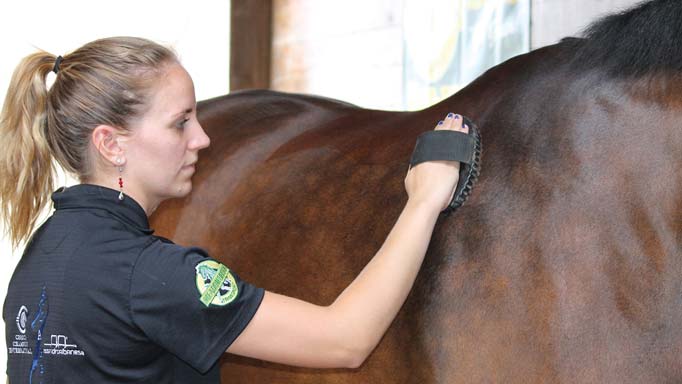
- Curry combing: Use a rubber curry comb in circular motions to loosen dirt and stimulate the skin. This promotes oil production, which is key for a shiny coat.
- Body brushing: Follow up with a stiff brush to remove loosened debris, then a soft brush for finishing touches. Always brush in the direction of hair growth.
- Polishing cloth: After brushing, use a clean, soft cloth to buff the coat and further distribute oils for a natural sheen.
- Hoof care: Clean hooves daily and apply conditioner as needed—healthy hooves complement a gleaming coat.
For a detailed breakdown of grooming techniques, you can refer to this step-by-step guide to horse grooming.
Nutrition’s Impact on Coat Condition
Even the best grooming regimen can’t compensate for poor nutrition. A balanced diet is fundamental to achieving a sleek, healthy coat. Consider these nutritional factors:
- Essential fatty acids: Omega-3 and omega-6 fatty acids, found in flaxseed, chia seeds, and certain oils, are crucial for skin and coat health.
- Protein: High-quality protein supports hair growth and repair. Ensure your horse’s diet includes adequate protein from forage and concentrates.
- Vitamins and minerals: Deficiencies in copper, zinc, and vitamin E can lead to dull coats. Consult your veterinarian or equine nutritionist for tailored advice.
- Hydration: Ample clean water is essential for all bodily functions, including maintaining skin and coat quality.
Monitor your horse’s body condition and adjust their diet as needed, especially during seasonal changes or increased activity.
Choosing the Right Products for a Gleaming Coat
There’s a wide range of grooming products designed to enhance shine, from sprays to conditioners. When selecting products, consider your horse’s skin sensitivity and coat type. Here are some popular options:
- Shine sprays: These can instantly add gloss, but use sparingly to avoid buildup or slipperiness, especially on saddle areas.
- Conditioning shampoos: Choose gentle, moisturizing formulas that clean without stripping natural oils.
- Leave-in conditioners: These help detangle manes and tails while boosting shine.
- Natural oils: Light applications of coconut or sunflower oil can enhance luster, but avoid overuse to prevent attracting dust.
Always test new products on a small area first and follow manufacturer instructions for best results.
Seasonal Considerations for Coat Care
Different times of year present unique challenges and opportunities for coat maintenance. During shedding season, extra attention is needed to remove dead hair and encourage new growth. In winter, blanketing may be necessary to protect clipped horses, but ensure blankets are clean and fit well to avoid rubbing and dullness.
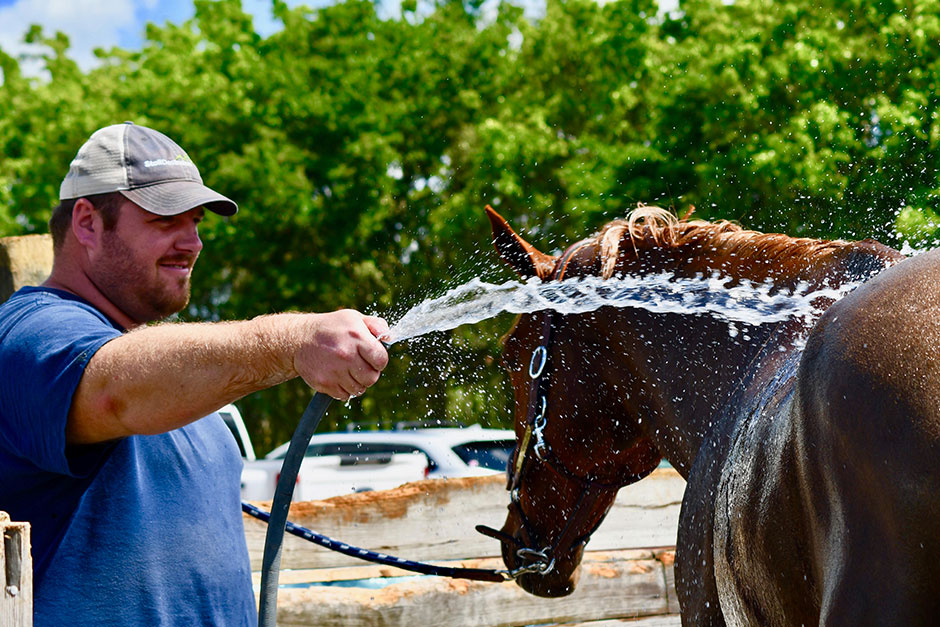
In summer, sweat and dust can accumulate quickly. Frequent rinsing with plain water or mild shampoo helps keep the coat clean. After washing, always dry thoroughly and finish with a soft brush or cloth to restore shine.
Preventing and Managing Common Coat Issues
Even with diligent care, horses can develop skin and coat problems that diminish shine. Here are some common issues and how to address them:
- Rain rot and fungal infections: Keep your horse dry and clean, especially during wet weather. Use antifungal shampoos as recommended by your veterinarian.
- Parasites: Regular deworming and fly control are essential for skin health.
- Allergies and sensitivities: Watch for signs of irritation or hair loss. Eliminate potential allergens and consult your vet for persistent problems.
- Sun bleaching: Horses with dark coats may experience fading in strong sunlight. Providing shade or using fly sheets can help preserve color and shine.
Addressing these concerns promptly will help maintain your horse’s glossy appearance year-round.
Advanced Grooming Techniques for Show-Ready Shine
For those aiming for a show-ring finish, a few extra steps can make a noticeable difference:
- Hot toweling: After grooming, use a hot, damp towel to wipe down the coat. This lifts dust and enhances the natural sheen.
- Quarter marks: For shows, use a damp brush or comb to create patterns on the hindquarters, highlighting muscle definition and adding polish.
- Final buffing: Just before entering the ring, give a last rub with a clean, soft cloth for maximum shine.
Consistency is key. Horses that are groomed daily tend to have healthier, shinier coats than those groomed only occasionally.
Frequently Asked Questions
How often should I groom my horse for the best coat shine?
Daily grooming is ideal for promoting a glossy coat. Regular brushing helps distribute natural oils and keeps the skin healthy. Even if you’re short on time, a quick daily session can make a big difference.
What should I feed my horse to improve coat quality?
A balanced diet rich in essential fatty acids, quality protein, and the right vitamins and minerals supports optimal coat condition. Supplements like flaxseed or oils can be beneficial, but consult your veterinarian before making dietary changes.
Are commercial shine sprays safe for all horses?
Most shine sprays are safe when used as directed, but some horses may have sensitive skin. Always test products on a small area first and avoid using sprays under the saddle or bridle to prevent slipperiness.
Conclusion
Creating a brilliant, healthy coat is a combination of daily care, proper nutrition, and smart product choices. By following these horse coat shine tips, you’ll not only enhance your horse’s appearance but also contribute to their overall well-being. Remember, a shiny coat is often a sign of a happy, healthy horse. For more equestrian care insights, explore our other resources, such as the impact of age on helmet protective foam or the difference between UK and US riding standards.