

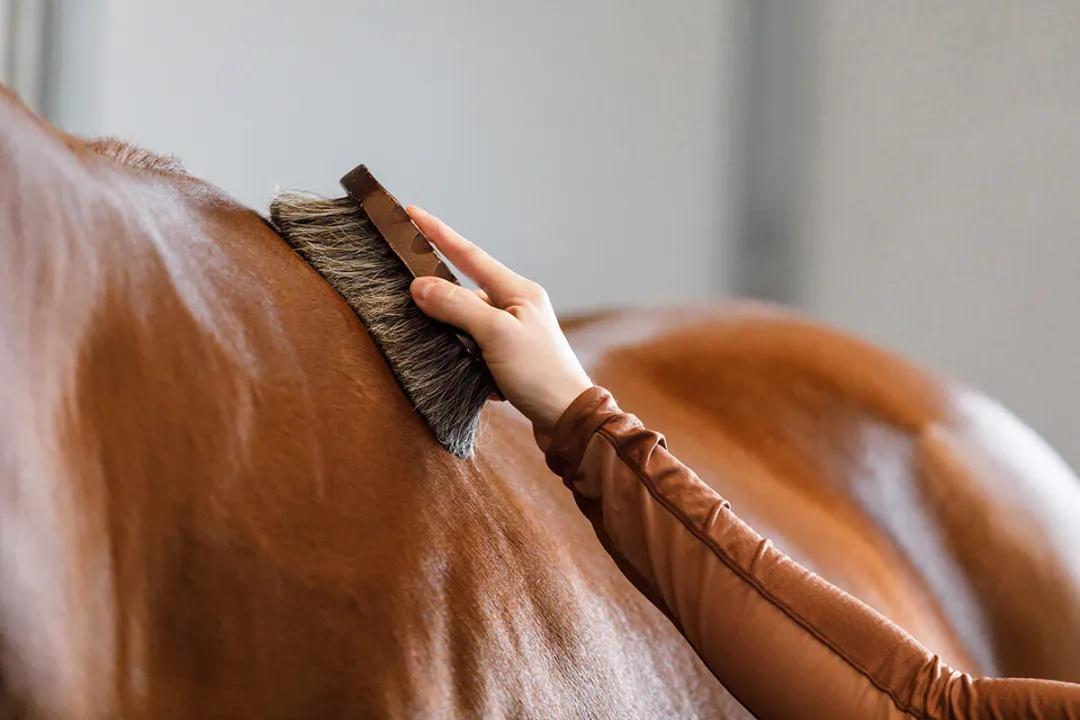
As the days grow shorter and temperatures begin to drop, horses start developing their thick winter coats. Horse grooming in fall is more than just keeping your horse looking presentable—it’s about supporting their health and comfort as they transition into colder months. With the right approach, you can help your horse maintain a healthy coat, prevent skin issues, and ensure their well-being throughout autumn.
Proper seasonal grooming also provides an opportunity to check for injuries, skin conditions, and changes in your horse’s overall condition. Whether you’re an experienced equestrian or a new horse owner, understanding the essentials of autumn coat management is key to keeping your horse comfortable and healthy.
For those also considering safety gear, our guide on how to find the right riding helmet for your head shape offers practical tips for choosing the best helmet for your needs.
Why Autumn Grooming Matters for Horses
When fall arrives, horses begin to shed their sleek summer coats and grow a denser layer for insulation. This natural process can lead to increased dirt, dander, and even skin irritation if not managed properly. Regular grooming during this season helps remove loose hair, stimulates circulation, and distributes natural oils for a shiny, healthy coat.
Additionally, autumn grooming sessions allow you to spot early signs of skin problems, such as rain rot or fungal infections, which are more common in damp, cool weather. By staying attentive, you can address these issues before they escalate.
Essential Tools for Fall Coat Care
Having the right grooming tools is crucial for effective horse grooming in fall. As your horse’s coat thickens, you’ll need brushes that can penetrate deeper layers and remove shedding hair efficiently. Here are some must-have items:
- Curry comb: Ideal for loosening dirt and hair from the undercoat.
- Stiff brush: Removes debris and loose hair from the surface.
- Body brush: Soft bristles help smooth the coat and distribute oils.
- Mane and tail comb: Detangles and keeps hair manageable.
- Shedding blade or grooming block: Useful for heavy shedding periods.
- Hoof pick: Keeps hooves clean and prevents thrush.
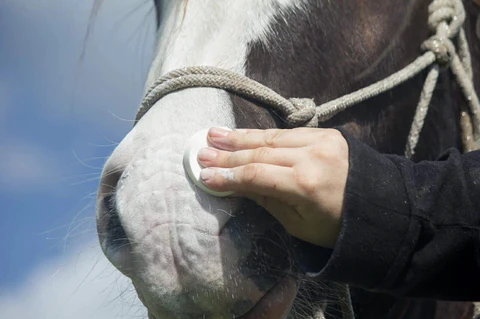
Step-by-Step Guide to Autumn Coat Management
Following a consistent grooming routine during the fall months helps your horse stay comfortable and reduces the risk of skin issues. Here’s a practical approach to managing your horse’s coat as the weather changes:
- Start with a curry comb: Use circular motions to loosen dirt, dander, and shedding hair from the thickening coat.
- Follow with a stiff brush: Brush away the loosened debris, paying attention to areas where sweat and mud accumulate, such as the girth and behind the ears.
- Use a body brush: Smooth the coat and bring out its natural shine by distributing oils.
- Detangle mane and tail: Gently comb through to remove knots and prevent breakage.
- Inspect skin and coat: Check for bald patches, scabs, or signs of irritation. Address any issues promptly.
- Clean hooves: Pick out hooves daily to prevent mud and moisture from causing thrush or other hoof problems.
For a detailed breakdown of grooming techniques and tips, you can refer to this comprehensive guide to horse grooming.
Managing Shedding and Thick Coats
As horses transition from summer to winter coats, you’ll notice increased shedding. This can be managed with regular grooming sessions and the use of specialized tools like shedding blades or grooming blocks. Removing loose hair not only keeps your horse comfortable but also helps prevent matting and skin irritation.
It’s important not to over-bathe your horse during fall, as frequent washing can strip away natural oils that protect the skin. Instead, focus on thorough brushing and spot cleaning as needed. If your horse gets particularly muddy, use a damp cloth or sponge to clean affected areas without soaking the entire coat.
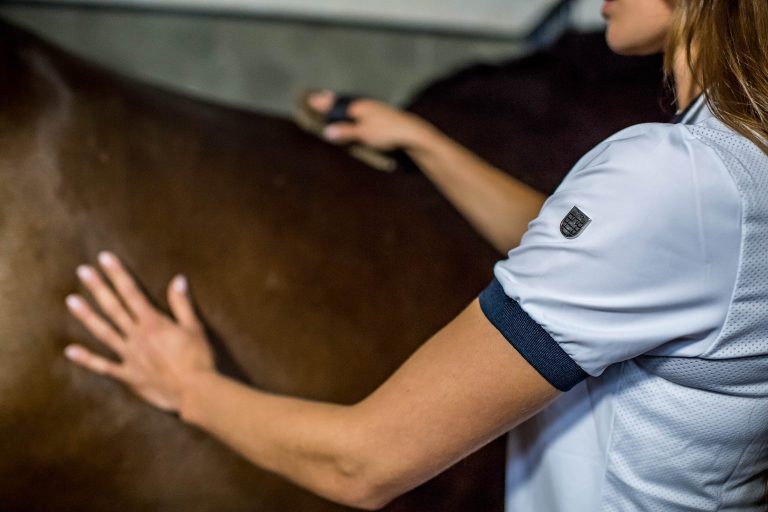
Preventing and Managing Skin Issues in Fall
Cool, damp conditions can create the perfect environment for skin problems. Here’s how to reduce the risk:
- Keep your horse dry: After exercise or rain, ensure your horse is thoroughly dried, especially in areas prone to chafing.
- Check for rain rot and fungal infections: Look for scabby, hairless patches and treat promptly with appropriate products.
- Maintain a clean environment: Regularly remove wet bedding and manure from stalls and paddocks.
- Monitor for lice or mites: Increased coat thickness can hide parasites, so inspect closely during grooming.
If you notice persistent skin issues, consult your veterinarian for diagnosis and treatment recommendations.
Blanketing and Clipping Considerations
Deciding whether to blanket or clip your horse in autumn depends on their workload, living conditions, and individual needs. Horses in heavy work may benefit from a partial or full clip to prevent overheating and excessive sweating. However, a clipped horse will require a blanket to stay warm as temperatures drop.
For horses living outdoors or in light work, allowing the natural coat to grow and providing shelter is often sufficient. Always monitor your horse’s comfort and adjust blanketing as needed to avoid sweating or chills.
Additional Tips for Effective Fall Grooming
- Establish a routine: Consistent grooming helps you spot changes in your horse’s health and keeps their coat in top condition.
- Use grooming as bonding time: Regular sessions strengthen your relationship and help your horse relax.
- Stay attentive to changes: Watch for signs of discomfort, weight loss, or behavioral changes as the season progresses.
- Keep equipment clean: Wash brushes and combs regularly to prevent the spread of skin conditions.
For more information on equestrian safety and standards, you might also find our article on the difference between UK and US riding standards helpful.
Frequently Asked Questions
How often should I groom my horse during fall?
Daily grooming is ideal during autumn, especially as your horse’s coat thickens and shedding increases. Regular sessions help remove loose hair, dirt, and debris, and allow you to monitor your horse’s skin health closely.
Can I bathe my horse in cooler weather?
It’s best to limit full baths in fall to avoid chilling your horse and stripping natural oils from their coat. Instead, use spot cleaning with a damp cloth or sponge for muddy areas, and focus on thorough brushing to maintain cleanliness.
What should I do if my horse develops rain rot or other skin issues?
If you notice scabs, hair loss, or irritated skin, address the problem promptly. Keep the affected area clean and dry, use recommended topical treatments, and consult your veterinarian if the condition persists or worsens.
Should I blanket my horse in autumn?
Blanketing depends on your horse’s age, health, workload, and whether they are clipped. Horses with a full natural coat and shelter often do not need a blanket, but those that are clipped or sensitive to cold may benefit from extra protection.
What is the best way to manage heavy shedding in fall?
Use a shedding blade or grooming block during grooming sessions to remove loose hair efficiently. Regular brushing helps keep your horse comfortable and prevents matting as the new winter coat comes in.