


Keeping your riding helmet clean is more than a matter of appearance—it’s essential for comfort, hygiene, and the longevity of your gear. One of the most common questions riders ask is how often to wash riding helmet padding. Sweat, dust, and bacteria can quickly accumulate, especially if you ride frequently or in warm conditions. Regular maintenance not only keeps your helmet fresh but also ensures it continues to fit well and protect you as intended.
Understanding the right cleaning schedule and proper techniques can help you avoid common mistakes that lead to premature wear or unpleasant odors. In this article, you’ll find practical advice on setting up a washing routine, tips for extending the lifespan of your helmet, and answers to frequently asked questions about helmet care.
Before diving into the details, it’s important to ensure your helmet fits correctly and is in good condition. If you’re unsure about sizing or want to avoid common equestrian helmet fitting mistakes, check your fit before starting a cleaning routine. Properly fitted helmets are easier to maintain and more comfortable to wear after washing.
Why Helmet Padding Needs Regular Cleaning
Helmet padding is designed to absorb sweat, manage moisture, and provide a comfortable fit. Over time, sweat, hair oils, and dirt build up in the lining, creating an environment where bacteria and odors can thrive. This not only affects comfort but can also impact the helmet’s effectiveness and your skin health.
- Odor control: Regular washing keeps unpleasant smells at bay.
- Hygiene: Clean padding reduces the risk of skin irritation and breakouts.
- Longevity: Removing sweat and grime helps preserve the helmet’s materials.
- Fit: Padding that’s free from buildup maintains its shape and cushioning properties.
Neglecting this maintenance can lead to a helmet that feels uncomfortable, smells bad, or even wears out faster than expected.
Recommended Schedule: How Often Should You Wash Helmet Padding?
The ideal frequency for washing your helmet’s interior depends on several factors, including how often you ride, the climate, and your personal sweat levels. Here are some general guidelines to help you establish a routine:
- Frequent riders (4+ times per week): Wash the padding every 1–2 weeks.
- Moderate riders (1–3 times per week): Clean the lining every 2–4 weeks.
- Occasional riders: Aim for a thorough wash at least once a month or after particularly sweaty sessions.
During hot weather or after intense rides, you may need to clean the padding more often. If your helmet starts to develop a noticeable odor or feels damp even after airing out, it’s time for a wash. Riders who share helmets or have sensitive skin should err on the side of more frequent cleaning.
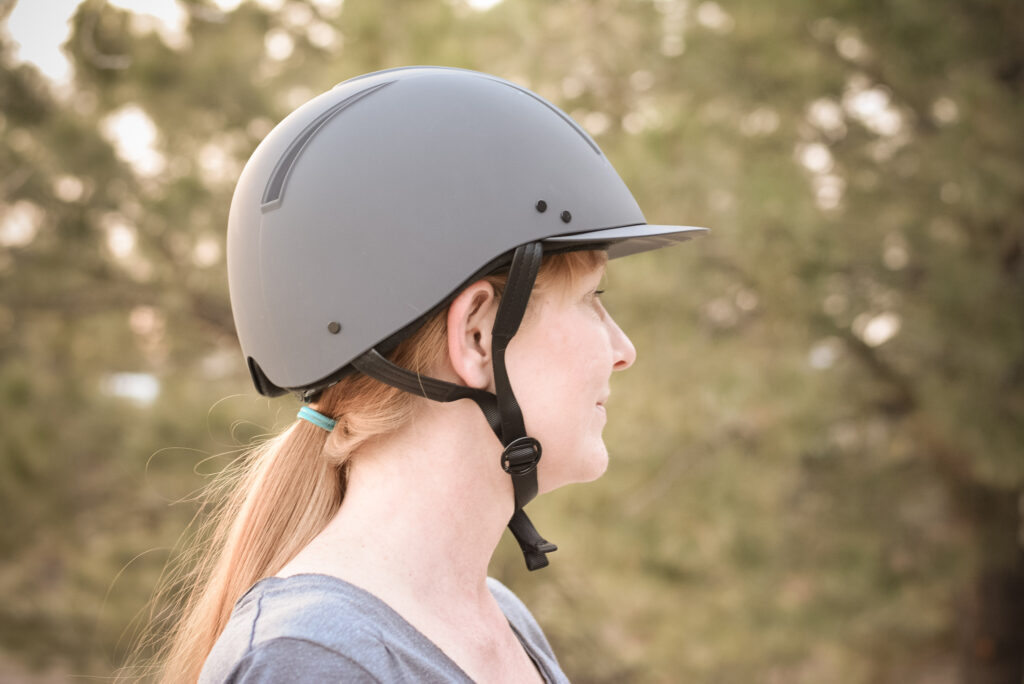
Step-by-Step Guide to Washing Helmet Padding
Most modern riding helmets feature removable liners or pads, making cleaning much easier. Always check your manufacturer’s instructions before washing, as some helmets have non-removable padding or special care requirements.
- Remove the padding: Take out the liner or pads according to the helmet’s manual.
- Hand wash with mild soap: Use lukewarm water and a gentle detergent. Avoid harsh chemicals or bleach, which can damage the materials.
- Rinse thoroughly: Make sure all soap is removed to prevent skin irritation.
- Air dry completely: Lay the padding flat in a well-ventilated area, away from direct sunlight or heat sources. Never use a dryer, as high heat can deform the foam.
- Clean the helmet shell: Wipe the inside of the helmet with a damp cloth and mild soap if needed. Avoid soaking the shell.
- Reassemble: Once everything is dry, return the padding to the helmet, ensuring a secure fit.
For helmets with non-removable padding, use a damp cloth with a small amount of mild soap to carefully wipe the interior. Allow extra time for drying to prevent mildew.
Tips for Extending the Life of Your Helmet Padding
Consistent care can help your helmet padding last longer and stay comfortable. Here are some practical tips:
- Air out after every ride: Remove the helmet from your gear bag and allow it to dry in an open, shaded area.
- Use a helmet liner or skull cap: Wearing a thin, moisture-wicking cap under your helmet can absorb sweat and reduce the need for frequent washing.
- Store properly: Keep your helmet in a cool, dry place. Avoid leaving it in hot cars or damp tack rooms.
- Inspect regularly: Check for signs of wear, such as thinning foam or persistent odors that don’t wash out. This may indicate it’s time for a replacement.
Proper storage and regular inspection are just as important as cleaning. If you’re interested in learning more about helmet safety standards, see our article on the VG1 01.040 safety standard meaning.

Common Mistakes to Avoid When Cleaning Helmet Padding
While maintaining your helmet is straightforward, a few missteps can shorten its lifespan or reduce its protective qualities. Here are some pitfalls to watch for:
- Using harsh detergents: Strong chemicals can break down foam and fabrics.
- Machine washing or drying: Agitation and heat can warp padding and compromise fit.
- Skipping rinsing: Leftover soap can irritate your skin and attract more dirt.
- Not drying thoroughly: Damp padding can harbor bacteria and mildew.
- Ignoring manufacturer instructions: Always follow care guidelines specific to your helmet model.
For more on helmet care and replacement, you might find our guide on how to check riding helmet expiration dates helpful.
Additional Resources for Helmet Maintenance
If you’re looking for more detailed advice on helmet fit or choosing the right model for your discipline, consider these resources:
- Read about how to choose a helmet for eventing for tips on safety across different riding phases.
- Learn how to evaluate helmet weight for neck comfort to ensure your helmet is both safe and comfortable.
- For a step-by-step guide on measuring your head for a new helmet, see this helmet sizing tutorial.
FAQ
Can I Wash Helmet Padding in the Washing Machine?
Most helmet manufacturers recommend hand washing the padding to avoid damage. Machine washing can be too harsh, causing the foam to break down or lose its shape. Always check your helmet’s care instructions before attempting machine washing.
What If My Helmet Padding Is Not Removable?
If your helmet has non-removable padding, use a damp cloth with mild soap to gently clean the interior. Avoid soaking the helmet, and allow it to air dry completely before use. For persistent odors, consider using a helmet deodorizer spray designed for sports gear.
How Do I Know When to Replace My Helmet Padding?
Signs that your padding needs replacement include persistent odors that don’t wash out, visible thinning or crumbling foam, and a loose fit. Some brands offer replacement liners, but if the helmet shell is also worn or past its expiration date, it’s safer to replace the entire helmet.
Is It Safe to Use Disinfectant Sprays on Helmet Padding?
Some disinfectant sprays are safe for sports equipment, but always check that they are compatible with your helmet’s materials. Avoid products with harsh chemicals or strong fragrances, as these can irritate your skin or damage the padding.
Maintaining a regular cleaning schedule for your helmet padding is a simple but important habit for every rider. With the right routine, you’ll enjoy a fresher, more comfortable ride and extend the life of your essential safety gear.