

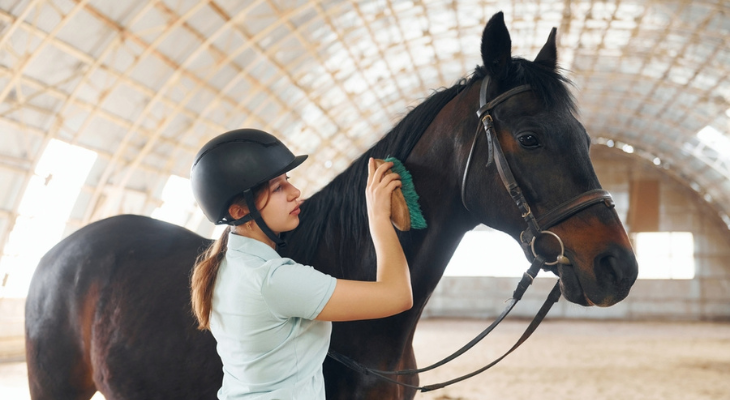
As the seasons change, horses naturally shed their winter coats, a process known as molting. Managing this transition is essential for your horse’s comfort and health. Using the right grooming tools, especially a shedding blade, can make a significant difference in removing loose hair efficiently and keeping your horse’s skin healthy. This comprehensive guide explores the essentials of using a shedding blade, tips for effective grooming during molting, and how to integrate this tool into your regular care routine.
Whether you’re a seasoned equestrian or just starting out, understanding the proper techniques and benefits of shedding blades will help you maintain a clean, happy, and healthy horse. For those interested in broader equestrian safety, you might also want to learn about how to choose a helmet for eventing to complement your grooming knowledge.
Understanding Shedding Blades and Their Role in Molting
During the molting period, horses lose their thick winter coats to prepare for warmer weather. This process can be messy and uncomfortable for both horse and handler if not managed properly. A shedding blade is a specialized grooming tool designed to remove loose hair quickly and efficiently. Its serrated edge gently lifts dead hair from the coat without irritating the skin, making it an essential item in any horse grooming shedding blade guide.
Shedding blades are typically made from stainless steel and feature a handle for easy grip. They can be used straight or looped, depending on the area being groomed and the thickness of the coat. Regular use during the molting season helps prevent matting, reduces itchiness, and keeps your horse looking tidy.
Choosing the Right Shedding Blade for Your Horse
Selecting the appropriate shedding blade depends on your horse’s coat type, sensitivity, and your own preferences. Here are some factors to consider:
- Blade Material: Stainless steel blades are durable and rust-resistant, ideal for frequent use.
- Handle Comfort: Look for ergonomic handles that provide a secure, comfortable grip during extended grooming sessions.
- Blade Shape: Some blades are straight, while others can be looped for better control on different parts of the body.
- Tooth Size: Finer teeth are suitable for sensitive horses or delicate areas, while coarser teeth work well on thick winter coats.
If you’re new to equine care, you may find additional insights in this beginner’s guide to horse grooming, which covers the basics of grooming routines and tool selection.
Step-by-Step Guide: Using a Shedding Blade Effectively
To get the most out of your shedding blade during molting, follow these practical steps:
- Start with a Clean, Dry Coat: Remove mud and debris with a curry comb or stiff brush before using the shedding blade.
- Use Gentle Pressure: Hold the blade at a slight angle and use long, even strokes in the direction of hair growth. Avoid pressing too hard to prevent skin irritation.
- Focus on Heavily Shedding Areas: Pay special attention to the neck, shoulders, and flanks, where hair tends to accumulate.
- Check for Skin Issues: As you groom, watch for signs of irritation, bald patches, or parasites. Address any concerns promptly.
- Finish with a Soft Brush: After removing loose hair, use a soft finishing brush to smooth the coat and remove any remaining debris.
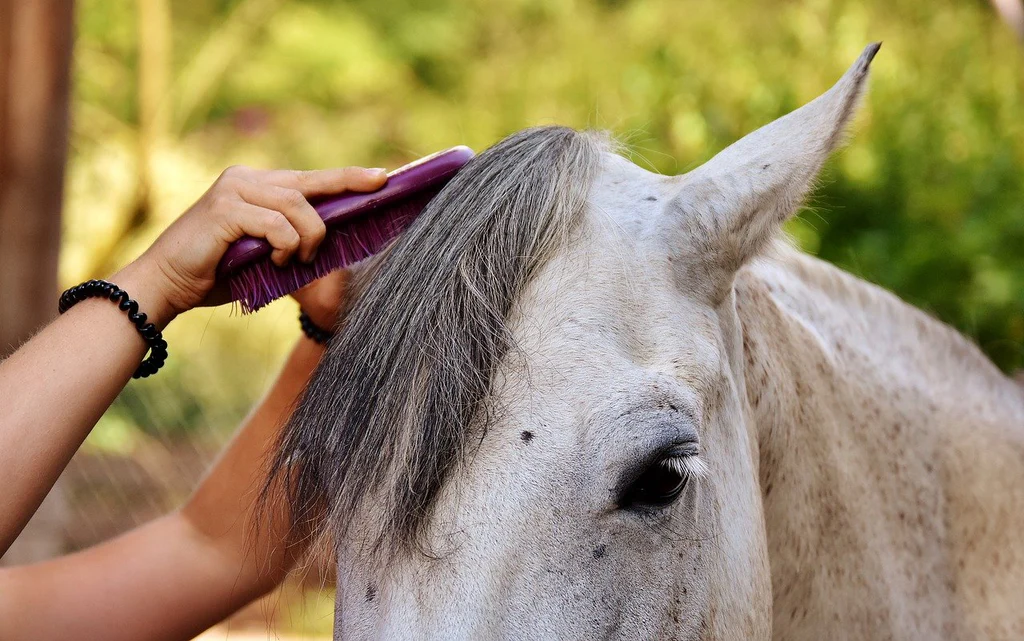
Tips for Safe and Comfortable Grooming Sessions
Grooming should be a positive experience for both horse and handler. Here are some tips to ensure safety and comfort:
- Be Patient: Some horses are sensitive during molting. Take your time and use gentle strokes.
- Watch Body Language: Pay attention to your horse’s reactions. If they flinch or move away, adjust your technique.
- Work in Sections: Divide the body into manageable areas to avoid overwhelming your horse.
- Keep Tools Clean: Remove hair from the blade frequently and clean your tools after each session to prevent rust and bacteria buildup.
- Reward Good Behavior: Use treats or gentle praise to reinforce calm, cooperative behavior during grooming.
Integrating Shedding Blades into Your Grooming Routine
The shedding blade is just one part of a comprehensive grooming toolkit. For best results, combine it with other grooming tools such as curry combs, body brushes, and hoof picks. Regular grooming not only keeps your horse’s coat healthy but also strengthens the bond between you and your animal.
Consistency is key. During peak molting season, daily use of the shedding blade can help manage loose hair and reduce the amount of hair left in stalls, tack rooms, and on your clothing.
Common Mistakes to Avoid When Using Shedding Blades
Even experienced horse owners can make mistakes when using grooming tools. Here are some pitfalls to watch out for:
- Using Excessive Force: Pressing too hard can irritate the skin and make grooming unpleasant for your horse.
- Neglecting Sensitive Areas: Avoid using the shedding blade on the face, legs, or other delicate regions.
- Skipping Regular Cleaning: Dirty blades can harbor bacteria and reduce effectiveness.
- Ignoring Signs of Discomfort: Always monitor your horse’s behavior and stop if they show signs of distress.
For those interested in broader equestrian safety and comfort, consider reading about how to evaluate helmet weight for neck comfort to ensure a well-rounded approach to horse care.
Frequently Asked Questions
How often should I use a shedding blade during molting?
During peak shedding season, it’s best to use the shedding blade daily or every other day. Regular grooming helps manage loose hair and keeps your horse comfortable.
Can I use a shedding blade on all parts of my horse?
Shedding blades are most effective on the body, neck, and flanks. Avoid using them on sensitive areas like the face, legs, and underbelly, where the skin is thinner and more delicate.
What should I do if my horse has sensitive skin?
If your horse is sensitive, opt for a shedding blade with finer teeth and use gentle pressure. Always monitor your horse’s reaction and switch to a softer brush if needed.
Are there alternatives to shedding blades for molting?
Yes, alternatives include grooming gloves, curry combs, and specialized shedding tools. Each has its own benefits, but shedding blades remain one of the most efficient options for removing large amounts of loose hair.
Conclusion
Managing your horse’s coat during molting is a crucial part of equine care. By using a shedding blade correctly and integrating it into your grooming routine, you’ll help your horse stay comfortable and healthy throughout the seasonal transition. Remember to choose the right tool, use proper technique, and always prioritize your horse’s comfort.
For more tips on equestrian safety and care, explore topics like how to check riding helmet expiration dates and common equestrian helmet fitting mistakes to ensure you and your horse are always prepared, both in the stable and in the saddle.