


Dressage is often seen as the foundation of all equestrian disciplines, yet it remains surrounded by misconceptions—especially for those just starting out. These misunderstandings can lead to frustration, slow progress, or even discourage new riders from pursuing the sport further. By addressing the most widespread beliefs that beginners encounter, this guide aims to provide clarity and set realistic expectations for anyone interested in learning more about dressage.
Whether you’re new to the arena or transitioning from another riding style, understanding the truth behind these notions will help you develop as a rider and support your horse’s training journey. For those also interested in safety gear, you might find our resource on how to choose a helmet for eventing useful as you build your equestrian toolkit.
Misconceptions About Dressage for Novices
Many riders enter the world of dressage with preconceived ideas that can hinder their progress. Let’s examine some of the most persistent myths and clarify what newcomers should actually expect.
Myth 1: Dressage Is Only for Expensive Horses
One of the most common beginner dressage myths is that only high-priced, purpose-bred horses can succeed in this discipline. While it’s true that top-level competitors often ride horses bred specifically for dressage, the fundamentals of the sport are accessible to almost any healthy horse. Good training, patience, and consistent practice matter far more than pedigree for those starting out. Many riders have achieved success at local and regional levels with horses of various breeds and backgrounds.
Myth 2: Dressage Is Just Riding in Circles
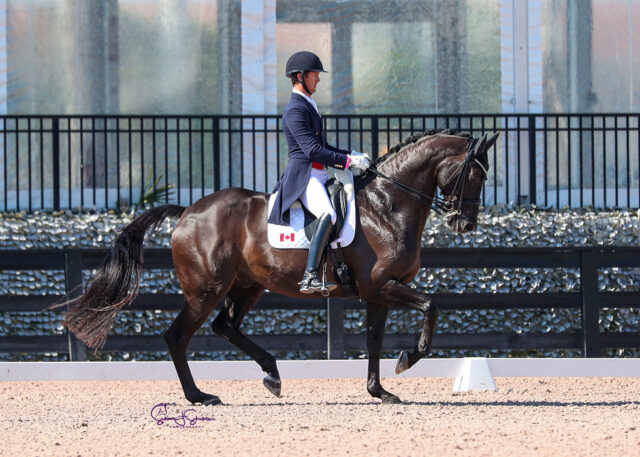
Another widespread misconception is that dressage consists of nothing more than riding endless circles in the arena. In reality, dressage is about developing a horse’s athleticism, balance, and communication with the rider. The movements and patterns—while sometimes repetitive—are designed to systematically improve the horse’s flexibility, strength, and responsiveness. Circles, serpentines, and transitions are tools for building these qualities, not the end goal.
Myth 3: You Must Be Perfectly Still in the Saddle
Many beginners believe that a good dressage rider must remain completely motionless. While a quiet seat is important, effective riding requires subtle, dynamic adjustments. Skilled riders use their bodies to influence the horse, absorbing movement and providing clear, gentle cues. The appearance of stillness comes from harmony and balance, not from being rigid or tense.
Truths About Starting Out in Dressage
Understanding what to expect as a novice can help you avoid frustration and set achievable goals. Here are some realities to keep in mind as you embark on your dressage journey.
Progress Takes Time and Patience
Dressage is a discipline that rewards consistency and patience. Progress can feel slow, especially at the beginning, but every ride is an opportunity to build trust and communication with your horse. Celebrate small improvements and remember that even experienced riders are always learning.
Equipment Matters, But It’s Not Everything
While having the right tack and attire can make your experience more comfortable and effective, success in dressage is not determined by gear alone. A well-fitting saddle and bridle are important for your horse’s comfort, but expensive equipment is not a prerequisite for learning the basics. Focus on developing your skills and partnership first.
Dressage Is for Every Rider
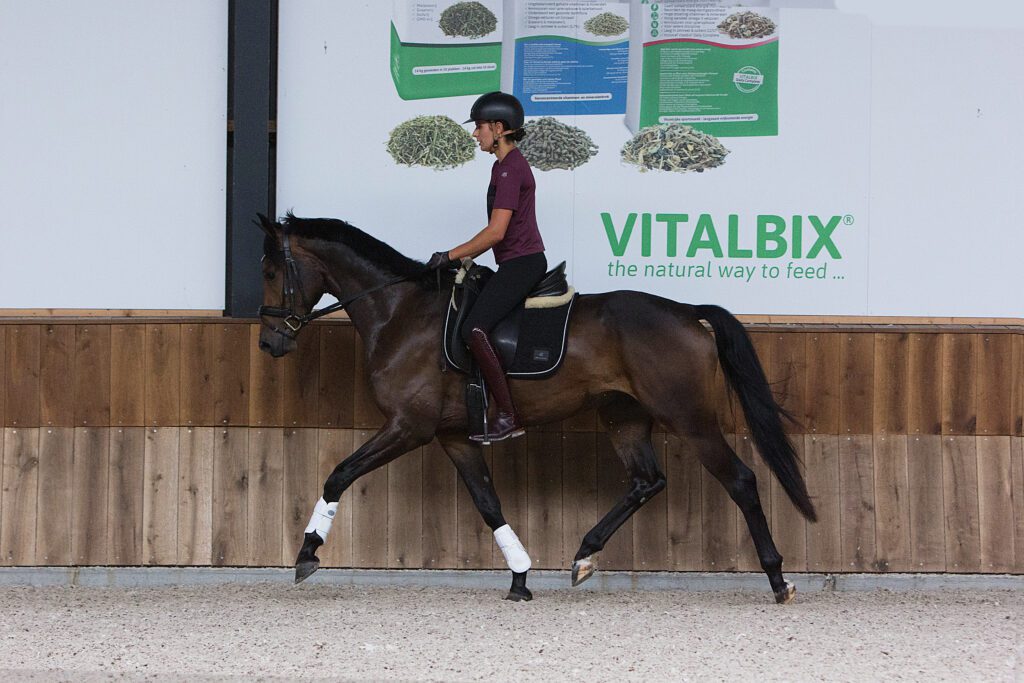
Some believe that dressage is only for elite riders or those with years of experience. In truth, the discipline is designed to benefit horses and riders at all levels. The principles of balance, rhythm, and connection apply whether you’re riding Introductory tests or aiming for advanced movements. Dressage can improve your riding in other disciplines as well, making it a valuable foundation for all equestrians.
Additional Myths and Clarifications
Myth 4: Only Women Participate in Dressage
Dressage is enjoyed by riders of all genders and ages. While it’s true that some regions have more female participants, men and boys are equally welcome and successful in the sport. The focus is on the partnership between horse and rider, not on who is in the saddle.
Myth 5: You Need to Memorize Complicated Tests Immediately
Newcomers often worry about remembering long, complex dressage tests. At the introductory levels, tests are straightforward, and many competitions allow a caller to read the test aloud during your ride. As you gain experience, memorizing patterns becomes easier and is a natural part of progressing in the sport.
Myth 6: Dressage Is Boring Compared to Jumping or Eventing
Some riders assume that dressage lacks excitement. However, the challenge of achieving harmony, precision, and subtle communication with your horse can be deeply rewarding. Many find that the skills developed in dressage enhance their enjoyment and performance in other disciplines, including jumping and eventing.
For those interested in maximizing their marks and understanding the technical aspects of the sport, this guide to improving balance, suppleness, and collection offers valuable insights from experienced professionals.
Tips for Overcoming Dressage Misunderstandings
- Seek guidance from qualified instructors who understand the needs of beginners.
- Set realistic goals and track your progress over time.
- Watch experienced riders and attend local shows to see the variety within the sport.
- Remember that every horse and rider combination is unique—progress at your own pace.
- Stay open to learning and be patient with yourself and your horse.
Frequently Asked Questions
Can any horse do dressage?
Yes, most healthy horses can participate in dressage. While some breeds may have natural advantages, the basics of the discipline are accessible to horses of all types and backgrounds.
Do I need expensive equipment to start?
No, beginners can start with well-fitting, safe tack. Focus on comfort and fit for both you and your horse. As you progress, you may choose to invest in specialized gear, but it’s not required at the outset.
Is dressage only for experienced riders?
Dressage is suitable for riders of all skill levels. The discipline is structured to allow gradual progression, making it ideal for those new to riding as well as seasoned equestrians.
How can I improve my dressage scores as a beginner?
Consistent practice, attention to basics like rhythm and balance, and feedback from a knowledgeable coach are key. For more detailed advice, consider resources like the tips on maximizing dressage marks.
By understanding and moving beyond these widespread beliefs, you’ll be better prepared to enjoy the journey of dressage and make steady progress in your riding goals.