

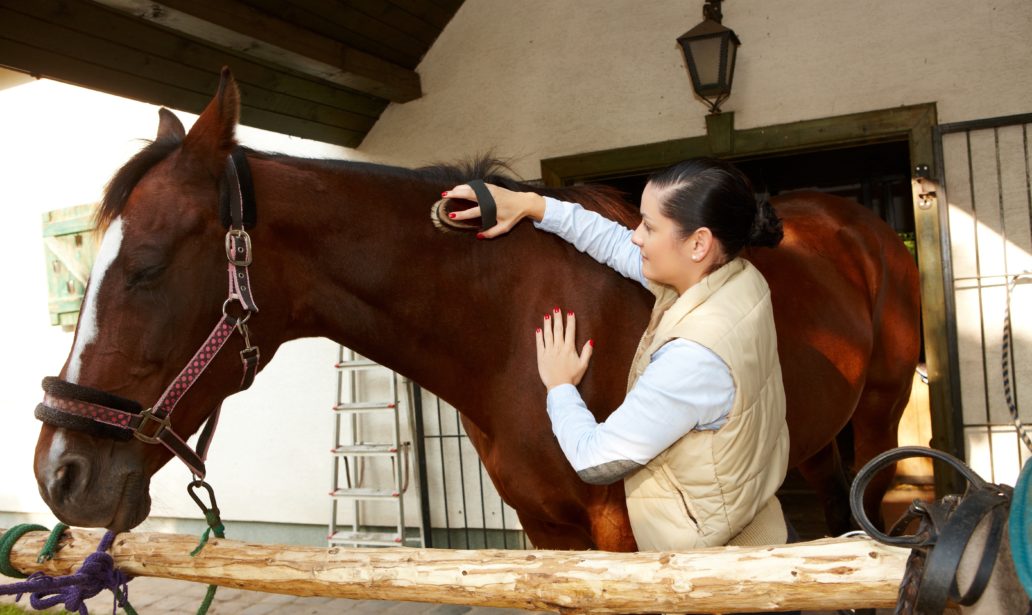
Regular grooming is a cornerstone of responsible horse care. It not only keeps your horse looking its best but also plays a crucial role in maintaining skin health, detecting injuries early, and strengthening the bond between horse and handler. Many new and experienced owners alike wonder: how often should you groom a horse? The answer depends on several factors, including the horse’s activity level, living environment, and the season.
In this article, you’ll find expert recommendations on grooming frequency, learn about the benefits of a consistent routine, and discover practical tips for making grooming a positive experience for both you and your horse. If you’re also interested in equestrian safety, you might want to read about how to choose a helmet for eventing to complement your horse care knowledge.
Understanding the Importance of Routine Grooming
Grooming is far more than a cosmetic task. It helps maintain a horse’s skin and coat, supports circulation, and allows you to check for cuts, swelling, or signs of illness. Horses that are groomed regularly tend to have healthier skin, fewer parasites, and a shinier coat. Daily grooming also provides valuable time for you to connect with your horse, building trust and familiarity.
According to grooming basics for equine caregivers, establishing a consistent grooming schedule can help prevent common skin issues and catch health problems before they escalate.
How Frequently Should You Groom Your Horse?
The ideal grooming frequency depends on your horse’s lifestyle and environment. Here are some general guidelines to help you decide how often to brush and clean your horse:
- Daily grooming is recommended for horses that are ridden or exercised regularly. This ensures sweat, dirt, and debris are removed, reducing the risk of skin irritation and saddle sores.
- Horses kept in stalls or confined spaces benefit from daily or near-daily grooming, as they are more likely to accumulate dust and manure stains.
- Pasture horses may not need a full grooming every day, but a thorough check and quick brush several times a week is beneficial, especially during shedding seasons.
- Before and after riding, always run a brush over your horse to remove dirt that could cause discomfort under tack and to check for injuries.
In summary, most experts recommend brushing your horse at least a few times a week, with daily sessions being ideal for active or stabled animals. Adjust the routine as needed based on your horse’s specific needs and the time of year.

Factors That Influence Grooming Needs
Not every horse requires the same grooming schedule. Here are some factors that can affect how often you should brush and clean your horse:
- Coat type and color: Light-colored or gray horses may show dirt more easily and require more frequent attention. Horses with thick coats, especially in winter, may need extra care to prevent matting and skin issues.
- Activity level: Horses in regular work or training accumulate sweat and dirt faster, making daily grooming more important.
- Living environment: Horses in muddy or dusty pastures, or those kept in stalls, may need more frequent cleaning than those in clean, dry paddocks.
- Seasonal changes: During spring and fall shedding, daily brushing helps remove loose hair and keeps the coat healthy.
- Health conditions: Horses with skin sensitivities or allergies may benefit from more frequent, gentle grooming.
Essential Tools for Effective Horse Grooming
Having the right equipment makes grooming more efficient and comfortable for your horse. A basic kit should include:
- Curry comb (rubber or plastic) to loosen dirt and stimulate skin oils
- Stiff brush for removing mud and dried sweat
- Soft brush for sensitive areas and finishing touches
- Mane and tail comb or brush
- Hoof pick to clean out hooves and check for stones or debris
- Sponges or cloths for wiping the face and sensitive spots
Investing in a quality grooming kit can make the process smoother and more enjoyable for both you and your horse.

Tips for Making Grooming a Positive Experience
Grooming should be a relaxing and enjoyable time for both you and your horse. Here are some suggestions to make the process smoother:
- Approach your horse calmly and speak in a soothing voice.
- Use gentle, consistent strokes and avoid sudden movements.
- Pay attention to your horse’s reactions—if they seem uncomfortable, check for sensitive spots or adjust your technique.
- Reward your horse with a treat or a scratch in their favorite spot after grooming.
- Keep sessions short and positive, especially for young or nervous horses.
Over time, regular grooming can help your horse associate the process with comfort and care, making future sessions easier.
Common Grooming Mistakes to Avoid
Even well-intentioned owners can make mistakes during grooming. Here are some pitfalls to watch out for:
- Neglecting the legs, belly, or under the mane—these areas can harbor dirt and parasites.
- Using dirty or worn-out brushes, which can irritate the skin.
- Skipping hoof cleaning, which increases the risk of thrush and lameness.
- Grooming too aggressively, especially on sensitive horses or thin-skinned breeds.
- Forgetting to check for injuries, ticks, or skin conditions during each session.
By being thorough and attentive, you can avoid these issues and keep your horse healthy and comfortable.
FAQs About Horse Grooming Frequency
Is daily grooming necessary for every horse?
While not every horse requires a full grooming session every day, daily checks and a quick brush are highly recommended, especially for horses in regular work or confined environments. This helps maintain coat health and allows you to spot injuries or health issues early.
How does the season affect how often I should groom my horse?
Seasonal changes, particularly during spring and fall shedding, often require more frequent grooming to remove loose hair and prevent matting. In winter, pay extra attention to thick coats and ensure mud is removed to avoid skin problems.
Can over-grooming be harmful?
Excessive or overly aggressive grooming can irritate the skin, especially on sensitive horses. Use gentle techniques and the right tools, and avoid over-brushing delicate areas. Always monitor your horse’s reaction and adjust as needed.
What other aspects of horse care should I consider alongside grooming?
In addition to regular grooming, consider your horse’s safety gear. For example, understanding common equestrian helmet fitting mistakes can help ensure both you and your horse stay safe during rides.
Conclusion
Establishing a regular grooming routine is one of the best ways to support your horse’s health, comfort, and well-being. While the ideal frequency varies, most horses benefit from being brushed and checked several times a week, with daily attention for those in work or living in stalls. By using the right tools, paying attention to your horse’s needs, and making grooming a positive experience, you’ll help your horse look and feel their best year-round.