

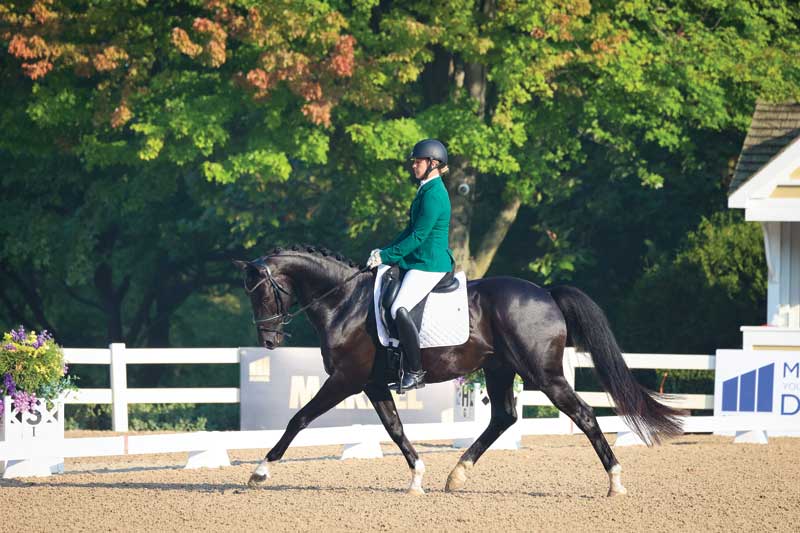
Developing the mindset of a skilled dressage rider goes far beyond mastering physical techniques. It’s about cultivating a mental approach rooted in patience, precision, and a deep understanding of both the horse and the art of dressage. Whether you’re new to the discipline or seeking to refine your approach, adopting the right mental strategies can transform your training sessions and performances. This article explores the essential attitudes, focus areas, and habits that set accomplished dressage riders apart.
Along the way, you’ll find practical advice, resources, and tools to help you strengthen your mental game and ride with greater clarity and confidence. For those also interested in safety and equipment, our guide on how to choose a helmet for eventing offers valuable tips for protecting yourself across all three phases.
Core Principles for a Dressage Mindset
At the heart of dressage is a commitment to continuous improvement and partnership. Riders who excel in this discipline share several key mental qualities:
- Patience: Progress in dressage is measured in small increments. Riders must be willing to invest time and effort, celebrating minor improvements and understanding that setbacks are part of the process.
- Attention to Detail: Every movement, transition, and cue matters. Successful riders develop a keen eye for subtle changes in their horse’s way of going and their own position.
- Empathy: Building a true partnership means listening to your horse and adapting your approach based on their feedback.
- Resilience: Mistakes and challenges are inevitable. The best riders view them as learning opportunities rather than failures.
Understanding these principles is the first step toward adopting the mental approach that characterizes top dressage athletes.
Developing Focus and Consistency in Training
Consistency is a hallmark of effective dressage training. To foster this, riders must approach each session with a clear plan and a focused mindset. Here are some strategies to help you stay on track:
- Set Specific Goals: Define what you want to achieve in each ride, whether it’s improving a particular movement or enhancing your horse’s relaxation.
- Break Down Exercises: Complex movements can be overwhelming. Divide them into smaller, manageable parts and celebrate progress at each stage.
- Reflect After Each Ride: Take a few minutes to note what went well and what could be improved. This habit builds self-awareness and helps you adjust your approach.
For more on the foundational ideas behind this discipline, the dressage principles outlined by British Dressage provide an excellent overview.
Building Confidence and Managing Nerves
Even the most experienced riders face nerves, especially in competition. The mental fortitude required for dressage comes from preparation and self-belief. Consider these approaches:
- Visualization: Before entering the arena, mentally rehearse your test or training session. Picture yourself riding each movement with accuracy and calmness.
- Positive Self-Talk: Replace negative thoughts with constructive affirmations. Remind yourself of your progress and capabilities.
- Routine: Develop pre-ride rituals that help you relax and focus, such as deep breathing or listening to calming music.
Confidence grows with experience, but a proactive approach to mental preparation can make a significant difference in your performance and enjoyment.
Embracing the Dressage Process: Growth Over Perfection
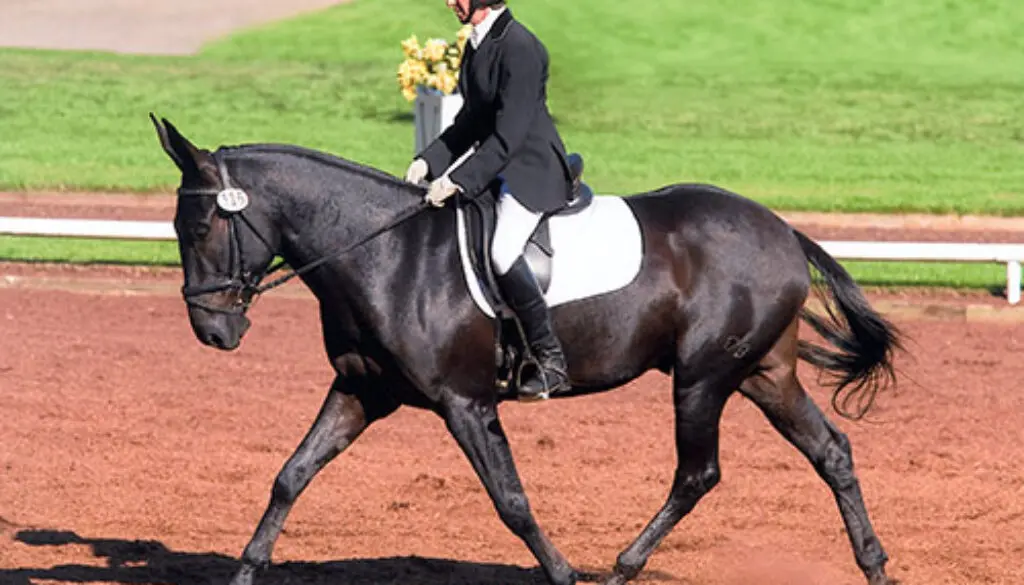
One of the most important lessons for anyone aiming to adopt the mindset of a dressage rider is to prioritize growth over perfection. Dressage is a journey, not a destination. Progress may be slow at times, but every step forward—no matter how small—matters.
- Accept Imperfection: Not every ride will go as planned. Learn to appreciate the process and recognize that mistakes are opportunities for learning.
- Celebrate Small Wins: Recognize and reward incremental improvements, both in yourself and your horse.
- Stay Curious: Continually seek out new knowledge, whether through lessons, clinics, or reading about dressage theory.
Riders who focus on steady growth tend to experience greater satisfaction and long-term success in the sport.
Communication and Connection with Your Horse
The mental approach of a dressage rider is deeply intertwined with the ability to communicate effectively with the horse. This partnership is built on mutual trust, respect, and clear signals.
- Listen to Feedback: Pay attention to your horse’s responses. Are they tense, relaxed, willing, or resistant? Adjust your aids accordingly.
- Consistency in Aids: Use clear, consistent cues to avoid confusion and build your horse’s confidence.
- Reward Generously: Positive reinforcement helps your horse understand what you’re asking and encourages them to try their best.
Strong communication skills are just as important as technical riding ability in dressage.
Integrating Safety and Equipment Awareness
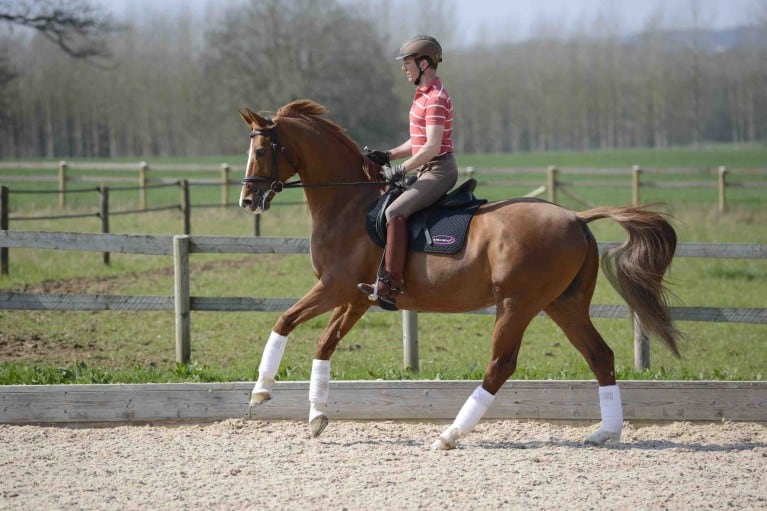
A thoughtful approach to dressage includes prioritizing safety and choosing the right equipment. Riders who value their well-being and that of their horse are better able to focus on training and performance. For those interested in helmet safety, our article on how to check riding helmet expiration dates provides practical guidance on staying protected in the saddle.
Additionally, understanding the importance of proper saddle fit, hoof care, and other equipment choices can enhance both horse and rider comfort, supporting a positive training environment.
FAQ: Dressage Rider Mindset and Practice
What mental qualities are most important for success in dressage?
The most valuable mental attributes include patience, attention to detail, resilience, and empathy for the horse. These qualities help riders navigate challenges, learn from mistakes, and build a strong partnership with their horse.
How can I improve my focus during training sessions?
Start by setting clear, achievable goals for each ride. Break down complex exercises, reflect on your progress, and eliminate distractions. Visualization and positive self-talk can also help you maintain concentration and stay present in the moment.
Why is communication with the horse so crucial in dressage?
Dressage is built on subtle cues and mutual understanding. Effective communication ensures that your horse knows what you’re asking and feels confident responding. This leads to smoother, more harmonious performances and a more enjoyable experience for both horse and rider.
Where can I learn more about dressage principles?
For a comprehensive overview, visit the British Dressage principles page for detailed information on the foundations of the sport.