

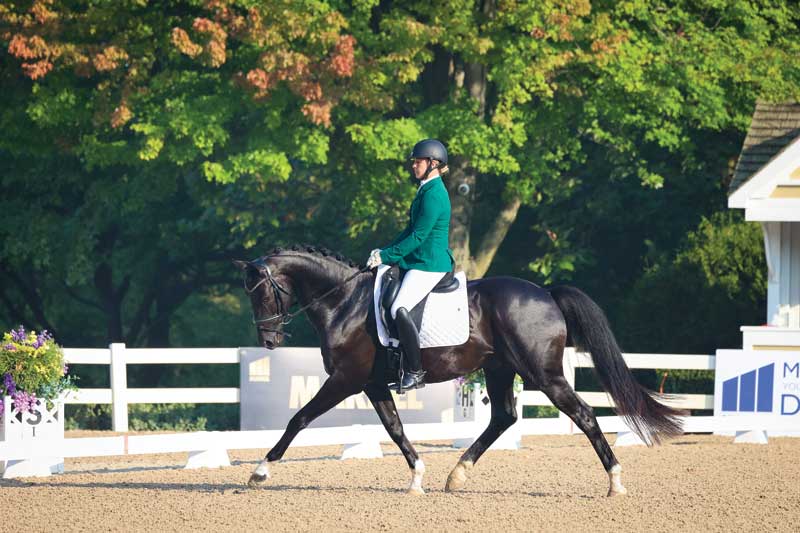
Dressage is a discipline that values precision, harmony, and the subtle communication between horse and rider. Understanding how dressage tests are structured is essential for riders at every level, whether you are just starting out or aiming for higher competition. The organization of these tests ensures fairness, progression, and a clear path for skill development. This article explores the framework of dressage tests, the logic behind their design, and how riders can prepare for each segment.
For those interested in safety across equestrian sports, especially eventing, you may want to review how to choose a helmet for eventing to ensure you are protected in all three phases.
Core Elements of Dressage Test Design
At its foundation, a dressage test is a sequence of prescribed movements performed in a set order within a marked arena. The structure of each test is carefully crafted to assess the horse and rider’s ability to execute transitions, maintain rhythm, and demonstrate suppleness and obedience. Each test is divided into several key components:
- Movements: Specific tasks such as circles, transitions, lateral work, and changes of pace.
- Directives: Guidelines for judges on what to look for in each movement, such as accuracy, quality of gaits, and rider position.
- Scoring: Each movement is scored individually, usually on a scale from 0 to 10, with comments provided for feedback and improvement.
- Collective Marks: Additional scores at the end of the test for overall impression, including submission, impulsion, and rider effectiveness.
Levels and Progression in Dressage Tests
The structure of dressage tests is organized by levels, each representing a step up in difficulty and technical requirements. This progression allows riders and horses to develop their skills gradually and ensures that each test is appropriate for the experience of the competitors.
- Introductory and Training Levels: Focus on basic gaits, large circles, and simple transitions. These tests are designed for riders and horses new to dressage.
- First and Second Levels: Introduce more complex figures like leg yields, lengthenings, and smaller circles. Riders must demonstrate increased control and connection.
- Third Level and Above: Require advanced movements such as flying changes, half-pass, and collection. The tests become more demanding in terms of precision and athleticism.
Each level builds on the previous one, ensuring that horse and rider have mastered fundamental skills before advancing. This logical progression is a hallmark of dressage test structure.
Understanding the Arena and Test Layout
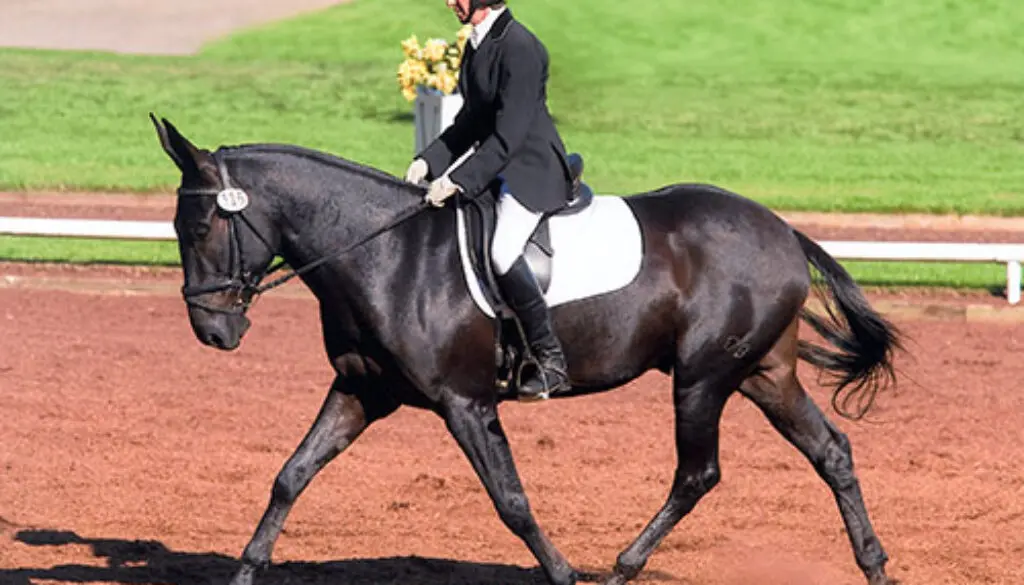
Dressage tests are performed in a standardized arena, typically measuring 20×60 meters for most levels. The arena is marked with letters placed around the perimeter, which serve as reference points for starting, ending, or changing movements. The placement of these letters is consistent across competitions, allowing riders to prepare and practice accurately.
- Entry and Halt: Most tests begin with an entry at A, proceeding down the centerline to halt at X for the initial salute.
- Transitions: Movements are performed at or between specific letters, requiring precise timing and control.
- Figures: Circles, serpentines, and diagonals are mapped out using the arena letters to ensure accuracy and symmetry.
The organization of the arena and the use of letters are integral to how dressage tests are structured, as they create a universal language for riders and judges worldwide.
Judging Criteria and Scoring System
Each movement in a dressage test is evaluated by one or more judges, who assign a score based on the quality of execution. The scoring system is designed to be transparent and objective, with clear directives for each movement. Riders receive marks from 0 (not executed) to 10 (excellent), along with comments for improvement.
- Accuracy: Was the movement performed at the correct letter and in the correct manner?
- Quality: Did the horse demonstrate balance, rhythm, and impulsion?
- Submission: Was the horse attentive and responsive to the rider’s aids?
- Rider Position: Was the rider balanced, effective, and in harmony with the horse?
At the end of the test, collective marks are awarded for overall impression, including the horse’s gaits, impulsion, submission, and the rider’s effectiveness. These marks can significantly influence the final score and ranking.

Preparation and Practice Strategies
Success in dressage comes from understanding the structure of the test and preparing accordingly. Riders should study the test sheet, memorize the sequence of movements, and practice transitions at the designated letters. Visualization and rehearsal in a correctly marked arena can help solidify timing and accuracy.
It’s also beneficial to review common mistakes and seek feedback from experienced coaches. For those looking to refine their skills, resources like step-by-step guides to basic dressage can provide valuable tips for improving performance and confidence in the arena.
Why Dressage Test Structure Matters
The systematic design of dressage tests ensures that riders and horses are evaluated fairly and consistently. By following a clear progression and standardized format, the sport encourages continuous improvement and rewards attention to detail. Whether you are competing at the introductory level or aiming for advanced classes, understanding the framework of these tests is key to achieving your goals and enjoying the journey.
Riders should also pay attention to safety equipment, such as helmets, which play a crucial role in all equestrian sports. For more on helmet safety and fit, see our article on common equestrian helmet fitting mistakes.
Frequently Asked Questions
What are the main components of a dressage test?
A dressage test consists of a series of prescribed movements, each performed at specific points in the arena. The main components include the entry and halt, transitions between gaits, figures such as circles and serpentines, and the final salute. Each movement is scored individually, and collective marks are awarded for overall impression.
How do judges score dressage tests?
Judges evaluate each movement on a scale from 0 to 10, considering accuracy, quality of execution, submission, and rider effectiveness. Additional collective marks are given at the end for gaits, impulsion, submission, and the rider’s performance. Comments are provided to help riders understand their strengths and areas for improvement.
How should riders prepare for a dressage test?
Preparation involves memorizing the test, practicing movements at the correct arena letters, and working on transitions and figures. Riders should also review feedback from previous tests and seek guidance from coaches. Practicing in a marked arena and visualizing the test can help improve timing and confidence.