

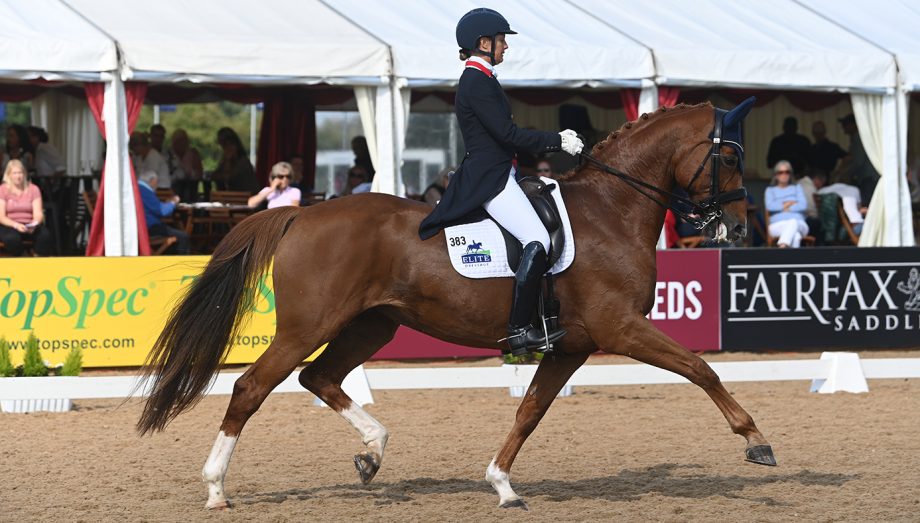
Many equestrians are drawn to dressage training for non-competitive riders because of its focus on harmony, communication, and the development of both horse and rider. While dressage is often associated with competitions and formal events, its principles offer significant benefits for those who simply want to enjoy a better partnership with their horse at home or on the trail. This guide explores how you can incorporate dressage techniques into your everyday riding routine, regardless of whether you plan to enter the show ring.
By embracing the fundamentals of dressage, you can improve your horse’s balance, responsiveness, and overall well-being. The skills you develop will also make your rides safer and more enjoyable. If you’re interested in other aspects of equestrian safety, you might find our article on how to choose a helmet for eventing helpful as well.
Why Dressage Principles Matter for Every Rider
At its core, dressage is about developing a clear line of communication between horse and rider. The focus is on subtle cues, balance, and rhythm, which are valuable skills for anyone who spends time in the saddle. Even if you never plan to compete, working on these elements can help your horse become more supple, attentive, and confident.
According to the fundamental principles of dressage, the discipline is built on a progressive training scale. This approach benefits all horses, from young or green mounts to seasoned partners. Non-competitive riders often find that dressage exercises make everyday riding more enjoyable and less stressful for both themselves and their horses.
Key Benefits of Dressage for Leisure Riders
- Improved Balance and Posture: Dressage encourages riders to develop a secure seat and steady hands, which translates to better control in all riding situations.
- Enhanced Communication: By refining your aids, you’ll be able to give clearer signals and build trust with your horse.
- Increased Flexibility and Strength: Dressage exercises help horses become more athletic, reducing the risk of injury and making them more comfortable to ride.
- Mental Engagement: Both horse and rider benefit from the mental challenge of learning new movements and patterns.
- Foundation for Other Disciplines: Many skills learned through dressage are transferable to trail riding, jumping, and even groundwork.
Fundamental Dressage Exercises for Everyday Riding
You don’t need a fancy arena or specialized tack to start applying dressage concepts. Many exercises can be done in a simple riding ring, field, or even along quiet trails. Here are a few foundational movements that are especially useful for those practicing dressage training for non-competitive riders:
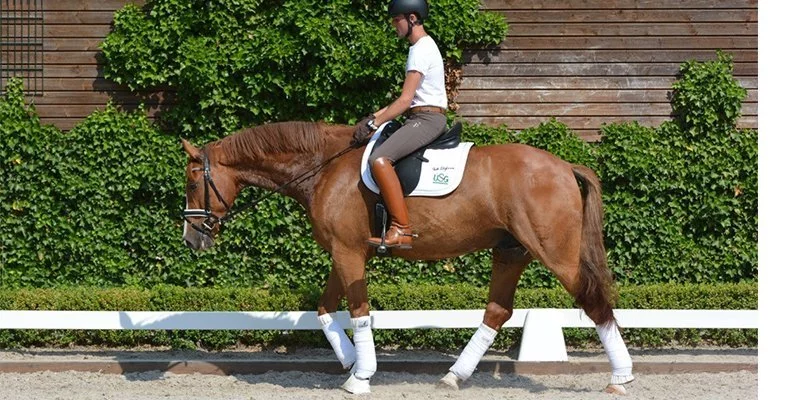
- Circles and Bending: Riding large and small circles helps your horse become more supple and responsive to your aids. Focus on maintaining an even bend and steady rhythm.
- Transitions: Practicing smooth transitions between walk, trot, and canter encourages your horse to listen and stay balanced.
- Leg Yield: This lateral movement teaches your horse to move away from your leg, improving flexibility and coordination.
- Halt and Rein-Back: These simple exercises reinforce obedience and help develop your horse’s hindquarters.
Building a Positive Training Routine
Consistency is key when introducing dressage elements to your riding. Start with short, focused sessions and gradually increase the complexity of your exercises. Always reward your horse for effort and progress, not just perfection. This approach fosters a positive attitude and helps prevent frustration for both you and your horse.
It’s also important to pay attention to your own position and balance. Consider working with an instructor who understands the needs of recreational riders. They can help you identify areas for improvement and suggest exercises tailored to your goals.
Essential Equipment for Dressage-Focused Riders
While you don’t need specialized gear to benefit from dressage, certain equipment can enhance your experience. A well-fitting saddle designed for flatwork will help you maintain proper alignment and comfort. If you’re considering investing in new tack, make sure it suits both your horse’s conformation and your riding style.
Don’t overlook the importance of safety equipment, such as a properly fitted helmet. For tips on helmet selection and care, check out our resources on how to evaluate helmet weight for neck comfort and how to check riding helmet expiration dates.
Common Challenges and How to Overcome Them
Many leisure riders worry that dressage is too formal or complicated for their needs. In reality, the discipline is highly adaptable. If you encounter resistance or confusion from your horse, break exercises down into smaller steps and focus on clear, gentle communication.
Another common issue is maintaining motivation without the structure of competitions. Setting personal goals, such as mastering a new movement or improving your horse’s relaxation, can help keep your training sessions purposeful. If you’re struggling with equipment fit or comfort, our article on common equestrian helmet fitting mistakes offers practical advice that applies to all types of tack.
Frequently Asked Questions
Can I Practice Dressage Without Competing?
Absolutely. Many riders use dressage techniques to improve their horse’s way of going, responsiveness, and overall enjoyment of riding. The focus is on partnership and progress rather than competition.
What Are the Most Important Dressage Exercises for Beginners?
Start with basic movements like circles, transitions, and leg yields. These exercises build balance, flexibility, and communication, forming the foundation for more advanced work.
Do I Need Special Equipment for Dressage-Inspired Training?
While a dressage saddle can help, it’s not required. The most important factors are a comfortable, well-fitting saddle and appropriate safety gear. Consider reviewing resources on helmet fit and care for additional safety tips.
Conclusion
Incorporating dressage training for non-competitive riders into your routine can transform your relationship with your horse. By focusing on clear communication, balance, and progressive exercises, you’ll create a more enjoyable and rewarding experience for both you and your equine partner. Whether you ride for pleasure, fitness, or relaxation, the principles of dressage provide a strong foundation for lifelong learning and partnership.