

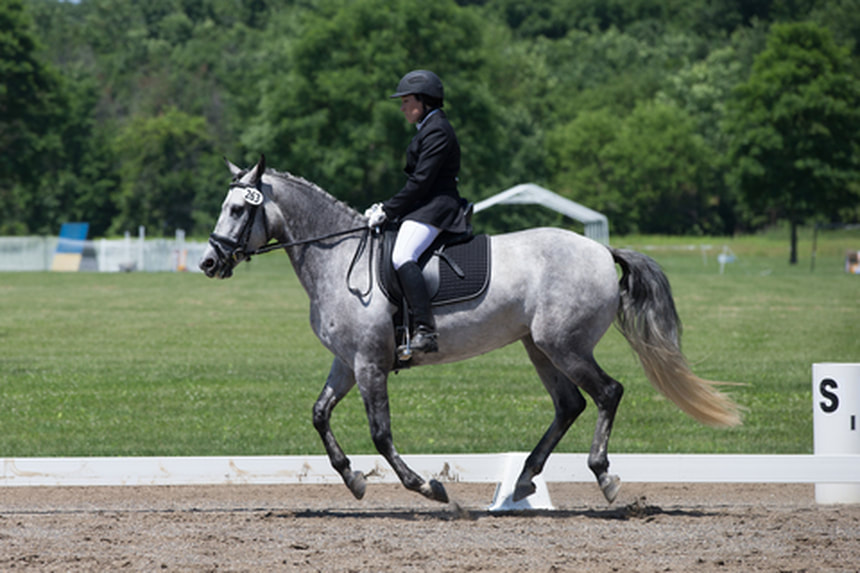
Many riders believe that a dedicated arena is essential for effective dressage practice. However, dressage training without an arena is not only possible but can be highly rewarding for both horse and rider. Whether you lack access to a formal riding space or simply want to diversify your routine, working outside the confines of an arena can enhance your horse’s responsiveness, balance, and adaptability.
This guide explores practical strategies for developing dressage skills in open fields, along trails, or in any safe, flat area. By focusing on the fundamentals and adapting classic exercises, you can make significant progress in your horse’s training—no fence lines required.
Before diving into exercises, it’s important to consider safety and equipment. For example, ensuring your helmet fits correctly is crucial for any equestrian activity. If you’re unsure about helmet selection, you may find this resource on how to choose a helmet for eventing helpful.
Benefits of Practicing Dressage in Open Spaces
Working outside a traditional arena offers unique advantages. Horses learn to focus amid distractions, improving their concentration and trust in the rider. Uneven terrain encourages natural balance and coordination, while the absence of walls prevents reliance on physical boundaries.
- Improved balance: Navigating gentle slopes and varied footing develops core strength and proprioception.
- Enhanced responsiveness: Without arena rails, horses must listen more closely to the rider’s aids.
- Mental stimulation: Changing scenery keeps sessions interesting and reduces boredom for both horse and rider.
- Adaptability: Horses become more confident and less spooky when exposed to different environments.
Essential Preparations for Outdoor Dressage Work
Safety is paramount when schooling outside an arena. Start by choosing a suitable area—look for a flat, open field with good footing and minimal hazards. Walk the area beforehand to check for holes, rocks, or other obstacles.
Use familiar tack and consider protective boots for your horse’s legs. If your horse is new to working outside, begin with groundwork or in-hand exercises to build confidence. Always warm up thoroughly, allowing your horse to adjust to the environment before starting more focused work.
Key Dressage Exercises Adapted for Open Environments
Many classic movements can be practiced in a field or along a quiet path. The following exercises help build the foundation for more advanced work, even without marked boundaries.
Circles and Bending Lines
Use trees, fence posts, or cones as visual markers to ride circles and serpentines. Focus on maintaining an even bend and consistent rhythm. If space allows, practice transitions within the gait on a large circle to encourage engagement and suppleness.
Transitions and Straightness
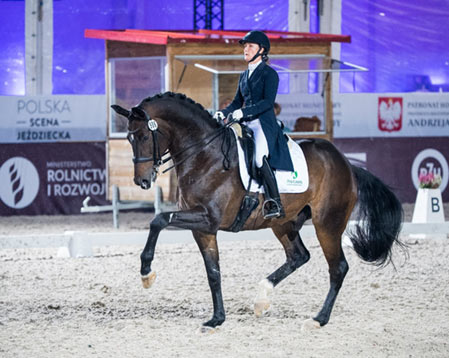
Practicing upward and downward transitions on straight lines is invaluable for developing self-carriage and attention to aids. Pick a landmark in the distance to help ride a straight path. Vary the length and tempo of your horse’s stride, and incorporate frequent halts and rein-backs to reinforce obedience.
Lateral Movements in the Open
Sidepassing, leg-yielding, and shoulder-in can all be practiced along the edge of a field or even down a quiet lane. Use natural boundaries, such as a hedge or tree line, to help guide your horse. Focus on maintaining rhythm and relaxation, rewarding small improvements.
Building a Structured Training Session Without an Arena
Structure is key to productive schooling, even when you don’t have arena letters or rails. Begin each session with a clear plan, but remain flexible to adapt to your horse’s mood and the environment.
- Warm-up: Walk on a loose rein, allowing your horse to relax and observe the surroundings.
- Suppling exercises: Incorporate circles, serpentines, and gentle lateral work to loosen muscles.
- Main work: Focus on transitions, straightness, and responsiveness to aids. Alternate between collected and lengthened strides.
- Cool-down: Finish with relaxed walking and stretching, letting your horse unwind.
Keep sessions short and positive, especially if your horse is new to working outside. End on a good note to build confidence for next time.
Common Challenges and Solutions for Arena-Free Dressage
Training outside the arena comes with its own set of challenges. Distractions, uneven ground, and lack of visual markers can make it harder to maintain precision. Here are some practical solutions:
- Distractions: Gradually expose your horse to new environments, starting with quiet areas and building up to busier locations.
- Uneven footing: Choose the safest, flattest area available. Avoid working on slippery or rocky ground.
- Lack of boundaries: Use natural features or portable markers to define your workspace. Visualize imaginary lines to help ride straight and accurate figures.
- Consistency: Stick to a regular schedule and repeat familiar exercises to reinforce learning.
Tips for Progressing Your Dressage Skills Outside the Arena
Progress in open space relies on consistency, creativity, and patience. Here are some tips to maximize your results:
- Set clear goals: Decide what you want to achieve each session, whether it’s smoother transitions or improved lateral work.
- Keep a training journal: Record what works, what doesn’t, and how your horse responds to different exercises.
- Vary your routine: Mix up exercises and locations to keep your horse engaged and attentive.
- Seek feedback: If possible, have someone video your rides or ask a knowledgeable friend to observe and offer suggestions.
- Stay safe: Always wear appropriate safety gear and be mindful of changing weather or footing conditions.
For more advanced tips on improving balance, suppleness, and collection, consider reading this expert advice on maximizing dressage marks.
Frequently Asked Questions
Can I prepare for dressage competitions without an arena?
Yes, many foundational skills—such as rhythm, suppleness, and accuracy—can be developed in open spaces. While practicing full tests may be challenging, focusing on individual movements and transitions will prepare you and your horse for competition.
What exercises are most effective outside a formal riding space?
Circles, serpentines, transitions, and lateral movements are all effective. Use natural markers to help with straightness and accuracy. Consistency and creativity are key to making progress.
How do I keep my horse focused with outdoor distractions?
Start in a quiet area and gradually introduce new environments. Keep sessions short and positive, and reward your horse for attentive behavior. Over time, your horse will become more confident and less reactive.
If you’re interested in other aspects of equestrian safety, you may also want to explore topics like how to evaluate helmet weight for neck comfort or common equestrian helmet fitting mistakes.
Embracing dressage training without an arena can open up new opportunities for you and your horse. With patience, planning, and a willingness to adapt, you can achieve impressive results—no matter where you ride.