

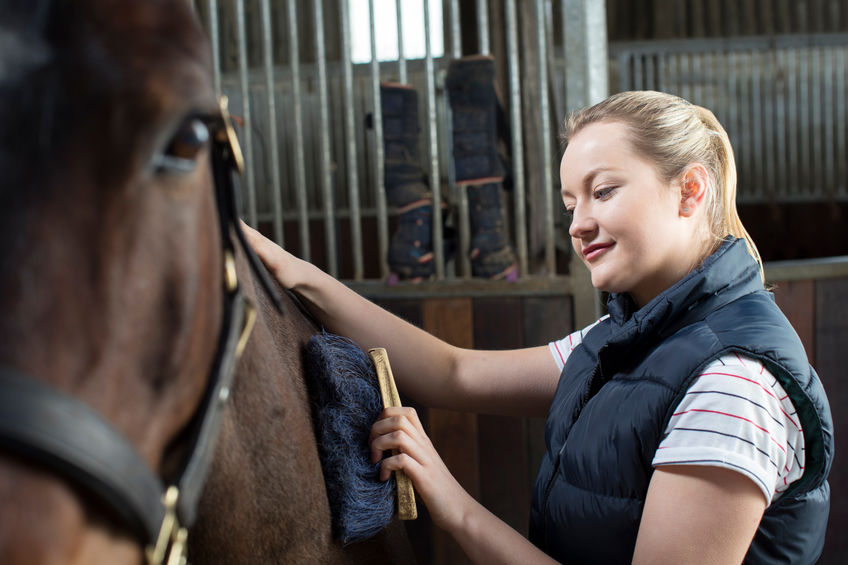
Keeping your horse healthy and comfortable starts with proper grooming. A well-maintained grooming routine not only keeps your horse’s coat shiny and skin healthy, but also helps build trust and a strong bond between you and your equine companion. This horse grooming tools guide covers the essential equipment every horse owner should have, how to use each tool, and tips for maintaining your gear for long-term use.
Whether you’re new to horse care or looking to upgrade your grooming kit, understanding the right tools and their uses will make the process more efficient and enjoyable for both you and your horse. Before diving into the details, it’s important to remember that safety is a top priority, not just for your horse but also for yourself. For those interested in overall equestrian safety, you may also want to read about how to find the right riding helmet for your head shape to complement your grooming routine.
Why Regular Grooming Matters for Horses
Consistent grooming is more than just a cosmetic routine. It plays a vital role in your horse’s overall health and well-being. Brushing and cleaning remove dirt, sweat, and loose hair, helping to prevent skin irritations and infections. Grooming also stimulates blood circulation, distributes natural oils, and allows you to check for injuries, ticks, or other health concerns.
Taking the time to groom your horse daily can also strengthen your relationship, making your horse more comfortable with handling and less likely to develop behavioral issues. For new horse owners, establishing a regular grooming schedule is one of the best habits you can form.
Essential Horse Grooming Tools Explained
Building a complete grooming kit ensures you have the right equipment for every step of the process. Here’s a breakdown of the must-have tools and their uses:
- Curry Comb: This rubber or plastic tool is used in a circular motion to loosen dirt, mud, and loose hair from your horse’s coat. It’s especially useful for the body, but avoid using it on sensitive areas like the face and legs.
- Dandy Brush: With stiff bristles, the dandy brush sweeps away the debris brought to the surface by the curry comb. It’s ideal for removing dried mud and heavy dirt from the body.
- Body Brush: Featuring softer bristles, the body brush smooths the coat and distributes natural oils, leaving your horse’s coat shiny and healthy. It’s gentle enough for use on the face and legs.
- Mane and Tail Comb: This comb helps detangle the mane and tail without pulling or breaking the hair. Use it gently, starting from the bottom and working upward.
- Hoof Pick: Cleaning your horse’s hooves is crucial for preventing thrush and other hoof problems. The hoof pick removes dirt, stones, and debris from the sole and frog of the hoof.
- Sponge or Soft Cloth: Useful for wiping around the eyes, nostrils, and dock area. Always use separate sponges for different areas to avoid cross-contamination.
- Shedding Blade: Especially helpful during seasonal coat changes, the shedding blade removes loose hair quickly and efficiently.
- Grooming Mitt or Glove: These flexible tools allow you to massage your horse while removing dirt and loose hair, making grooming a soothing experience.
How to Use Each Grooming Tool Effectively
Using your grooming equipment correctly ensures a thorough clean and keeps your horse comfortable. Here’s a step-by-step approach to using each tool:
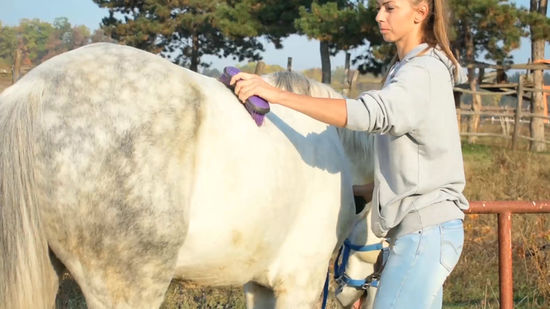
- Curry Comb: Start with the curry comb, moving in gentle, circular motions over the horse’s body. This loosens dirt and stimulates the skin. Avoid bony or sensitive areas.
- Dandy Brush: Follow up with the dandy brush, using short, flicking strokes to remove the loosened dirt and hair. Work in the direction of the hair growth.
- Body Brush: Use the body brush for a finishing touch, smoothing the coat and adding shine. This brush is safe for use on the face and legs.
- Mane and Tail Comb: Detangle the mane and tail by starting at the ends and gently working upward. For stubborn knots, use your fingers first to minimize breakage.
- Hoof Pick: Carefully lift each hoof and use the pick to clear out debris, focusing on the grooves around the frog. Always point the pick away from yourself and your horse.
- Sponge or Cloth: Dampen the sponge or cloth and gently clean around the eyes, nostrils, and dock. Use a separate sponge for each area to maintain hygiene.
- Shedding Blade: During shedding season, use the blade in long strokes to remove excess hair, being careful around sensitive spots.
- Grooming Mitt or Glove: Use the mitt to massage your horse and remove the last traces of dust and loose hair, making the experience pleasant and relaxing.
Maintaining Your Grooming Equipment
Proper care of your grooming tools extends their lifespan and ensures they remain effective. Here are some maintenance tips:
- Clean brushes and combs regularly with warm water and mild soap to remove dirt and hair.
- Allow tools to dry completely before storing them in a clean, dry place.
- Disinfect sponges and cloths frequently, especially those used on sensitive areas.
- Inspect hoof picks and blades for rust or damage, replacing them as needed.
- Store your kit in a designated grooming box or bag to keep everything organized and protected from the elements.
Choosing the Right Grooming Kit for Your Horse
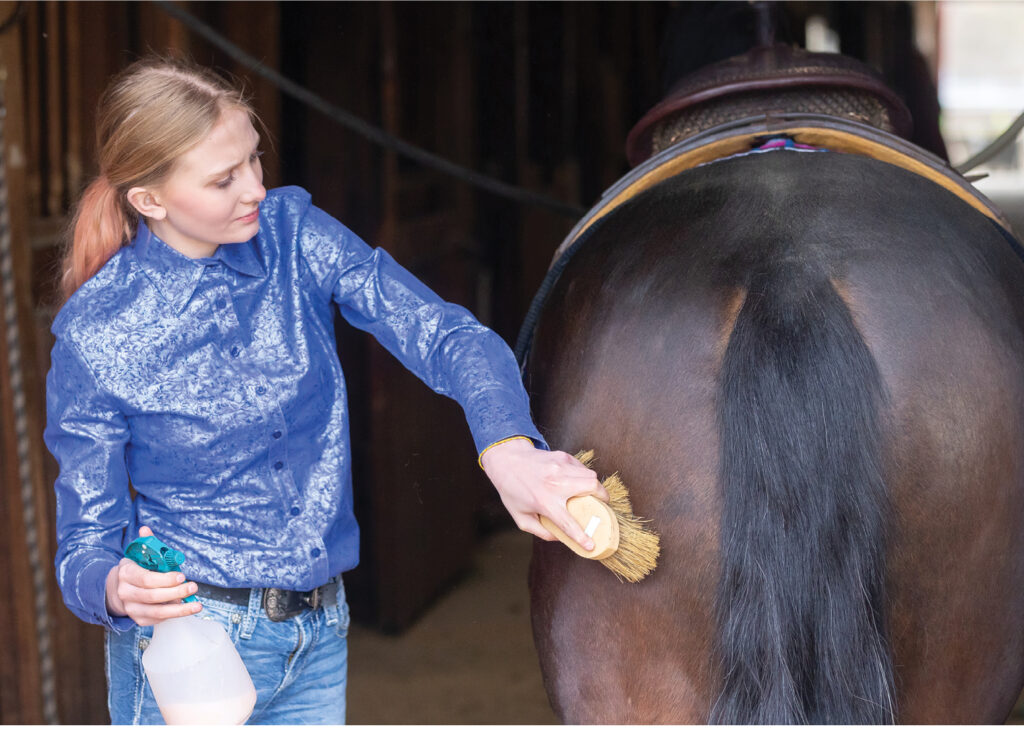
When selecting a grooming kit, consider your horse’s specific needs and your own preferences. Some horses have sensitive skin and may require softer brushes, while others with thick coats benefit from sturdier tools. Look for kits that include all the essentials, and don’t hesitate to add specialized items as needed.
For those looking to purchase a complete set, there are many options available online and at local tack shops. Investing in quality equipment pays off in the long run, as durable tools are more effective and comfortable to use. If you’re interested in learning more about the differences in equestrian standards, you might also find value in reading about the difference between UK and US riding standards.
Additional Tips for a Successful Grooming Routine
- Always approach your horse calmly and let them see and smell the tools before you begin.
- Work in a well-lit, safe area with non-slip footing.
- Be gentle, especially around sensitive areas like the face, belly, and legs.
- Take your time and use grooming as an opportunity to check for cuts, swelling, or signs of discomfort.
- Reward your horse with a treat or gentle words to make grooming a positive experience.
For more in-depth tips, you can explore this comprehensive resource on horse grooming best practices.
Frequently Asked Questions
How often should I groom my horse?
Ideally, horses should be groomed daily, especially if they are ridden or turned out regularly. Daily grooming helps maintain skin health, keeps the coat clean, and allows you to spot any health issues early. Even horses that are not ridden benefit from regular grooming sessions.
What is the difference between a dandy brush and a body brush?
A dandy brush has stiff bristles and is used to remove heavy dirt and mud from the horse’s body, while a body brush has softer bristles for smoothing the coat and distributing natural oils. Both are important for a thorough grooming routine, but they serve different purposes.
Can I use human brushes or combs on my horse?
It’s best to use brushes and combs specifically designed for horses. Equine grooming tools are made to handle the thickness of a horse’s coat and are shaped for comfort and effectiveness. Human brushes may not clean as thoroughly and could cause discomfort or even injury to your horse.
Grooming is a cornerstone of responsible horse care. With the right tools and techniques, you’ll keep your horse looking and feeling their best, while also deepening your connection. For more equestrian tips, don’t forget to check out topics like the impact of age on helmet protective foam and the importance of a secure helmet retention system for overall horse and rider safety.