

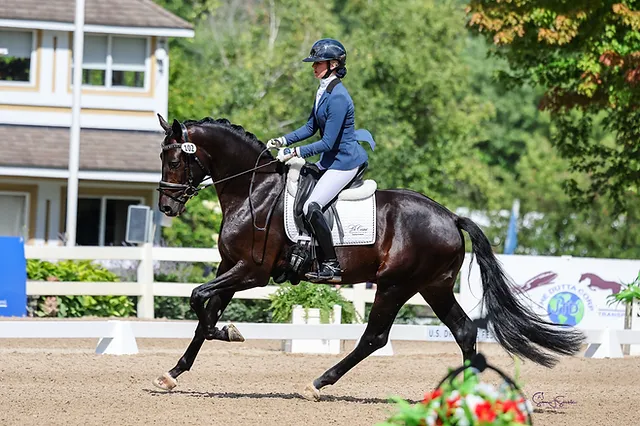
Starting out in dressage means learning about the specialized equipment that helps both horse and rider perform at their best. Understanding dressage tack basics is essential for anyone new to the discipline. The right tack not only supports the horse’s comfort and movement but also ensures the rider can communicate clearly and safely.
This guide will walk you through the essential gear needed for dressage, explain the purpose of each item, and offer practical advice for selecting and caring for your equipment. Along the way, you’ll find helpful resources and tips to make your introduction to dressage smooth and enjoyable. If you’re also interested in safety gear, you may want to read about how to choose a helmet for eventing to complement your tack knowledge.
Understanding the Core Elements of Dressage Equipment
At its heart, dressage requires a specific set of tack designed to promote harmony between horse and rider. The main components include the saddle, bridle, girth, saddle pad, and occasionally auxiliary items such as boots or bandages. Each piece plays a vital role in performance and safety.
- Saddle: A dressage saddle features a deep seat, long straight flaps, and is designed to position the rider in a balanced, upright posture. This allows for subtle communication and optimal movement of the horse’s back.
- Bridle: Typically, a simple snaffle bridle is used at lower levels, with a plain cavesson noseband. At higher levels, a double bridle may be required.
- Girth: The girth secures the saddle and should be comfortable for the horse, preventing pinching or rubbing.
- Saddle Pad: A white, contoured pad is standard, providing cushioning and protecting the horse’s back from sweat and friction.
- Leg Protection: While not always required, boots or bandages may be used during training to protect the horse’s legs.
Choosing the Right Dressage Saddle
Selecting a saddle is one of the most important decisions for anyone starting out. The right saddle supports the rider’s position and allows the horse to move freely. When exploring dressage tack basics, focus on fit, quality, and adjustability.
- Fit for Horse and Rider: The saddle should fit both the horse’s back and the rider’s seat. Poor fit can cause discomfort, behavioral issues, and even injury.
- Material: Most dressage saddles are made from high-quality leather, though synthetic options are available for beginners on a budget.
- Adjustability: Some saddles feature adjustable gullets or panels, allowing for a better fit as your horse’s shape changes.
- Care: Regular cleaning and conditioning will extend the life of your saddle and keep it looking its best.

Bridles and Bits: Communication Tools
The bridle is a critical piece of tack for dressage, allowing the rider to communicate with the horse through gentle rein aids. For beginners, a simple snaffle bridle is usually sufficient. The bit should be mild and fit comfortably in the horse’s mouth.
- Snaffle Bridle: Most entry-level competitions require a plain snaffle with a cavesson noseband. Flash or drop nosebands are allowed but must comply with competition rules.
- Bit Selection: Choose a bit that suits your horse’s mouth conformation and temperament. Consult a knowledgeable trainer or tack specialist if unsure.
- Fitting: The bridle should be adjusted so that it sits comfortably without pinching or causing pressure points.
Girths, Pads, and Leg Protection
While the saddle and bridle are the most visible elements, other pieces of equipment are equally important for comfort and safety. A well-fitted girth keeps the saddle secure, while a contoured pad prevents rubbing and absorbs sweat. For horses in training, protective boots or wraps can help prevent injury.
- Girth: Look for a girth that distributes pressure evenly and does not chafe. Materials range from leather to synthetic, with or without elastic inserts.
- Saddle Pad: A white, shaped pad is standard in dressage. It should fit neatly under the saddle without excess bulk.
- Leg Protection: Boots or bandages are often used during schooling but may not be permitted in competition. Always check current rules.
Dress Code and Presentation
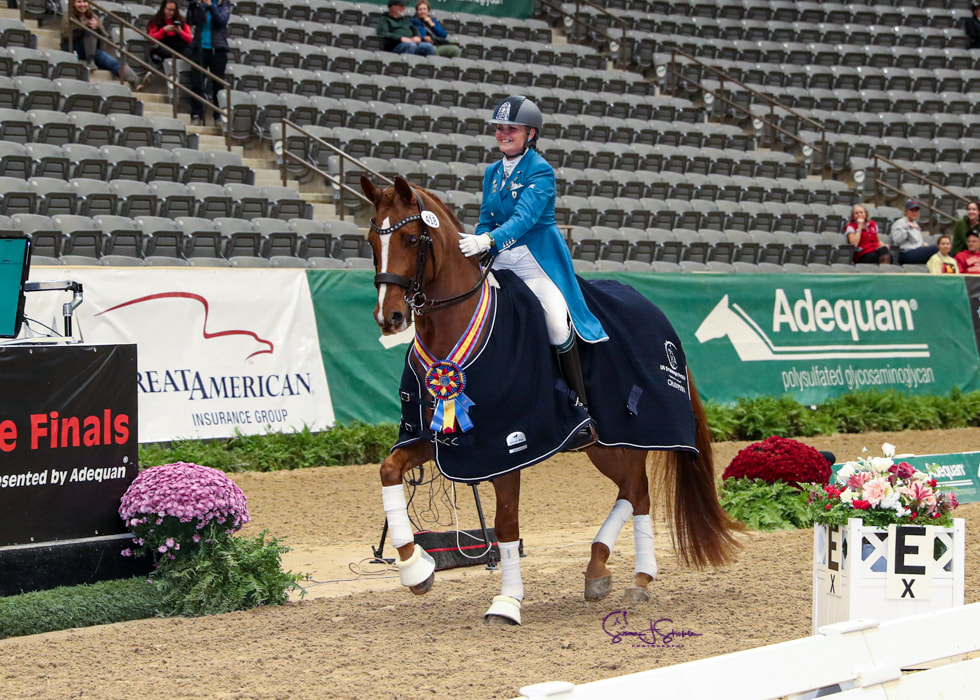
Presentation is an important aspect of dressage. Riders are expected to wear traditional attire, and tack should be clean and well-fitted. While the focus of this article is on dressage tack basics, it’s worth noting that a neat appearance can impact overall impression in the arena.
- Rider Attire: Standard dress includes a helmet, jacket, breeches, gloves, and tall boots. For more on helmet safety and fit, see our article on common equestrian helmet fitting mistakes.
- Tack Cleanliness: Regular cleaning not only prolongs the life of your equipment but also ensures a professional look at competitions.
- Regulations: Always check the latest rules from your governing body to ensure your tack and attire are compliant.
Care and Maintenance of Your Equipment
Proper care is key to keeping your tack in good condition. Leather should be cleaned with a damp cloth after each ride and conditioned regularly. Synthetic materials also benefit from routine cleaning. Inspect all stitching, buckles, and fastenings for wear and replace any damaged parts promptly.
- Storage: Keep tack in a dry, well-ventilated area. Use saddle covers and bridle racks to maintain shape.
- Cleaning Routine: Develop a habit of wiping down gear after every use. Deep clean and condition leather at least once a month.
- Repairs: Address small issues before they become major problems. Regular maintenance ensures safety and longevity.
Learning More About Dressage Equipment
As you continue your journey, you may want to explore more in-depth resources. For a comprehensive overview, check out this beginner’s guide to dressage for additional insights and tips.
Frequently Asked Questions
What is the most important piece of tack for a dressage beginner?
The saddle is often considered the most crucial item, as it affects both the rider’s position and the horse’s comfort. A well-fitted dressage saddle helps establish correct posture and allows for effective communication.
Can I use my all-purpose saddle for dressage?
While it’s possible to start with an all-purpose saddle, a dedicated dressage saddle offers features that support the discipline’s specific requirements. These include a deeper seat and longer flaps, which help the rider maintain the correct position.
How do I know if my bridle fits correctly?
A properly fitted bridle sits comfortably on the horse’s head without pinching or causing pressure points. The bit should rest in the corners of the mouth with one or two small wrinkles, and the noseband should be snug but not tight.
Are there special rules for tack in dressage competitions?
Yes, each competition may have specific regulations regarding tack. It’s important to review the rulebook of your governing body before entering an event to ensure all equipment is permitted.
Mastering the essentials of dressage tack basics will set you up for success as you progress in the sport. With the right knowledge and attention to detail, you and your horse can enjoy a safe, comfortable, and rewarding dressage experience.