

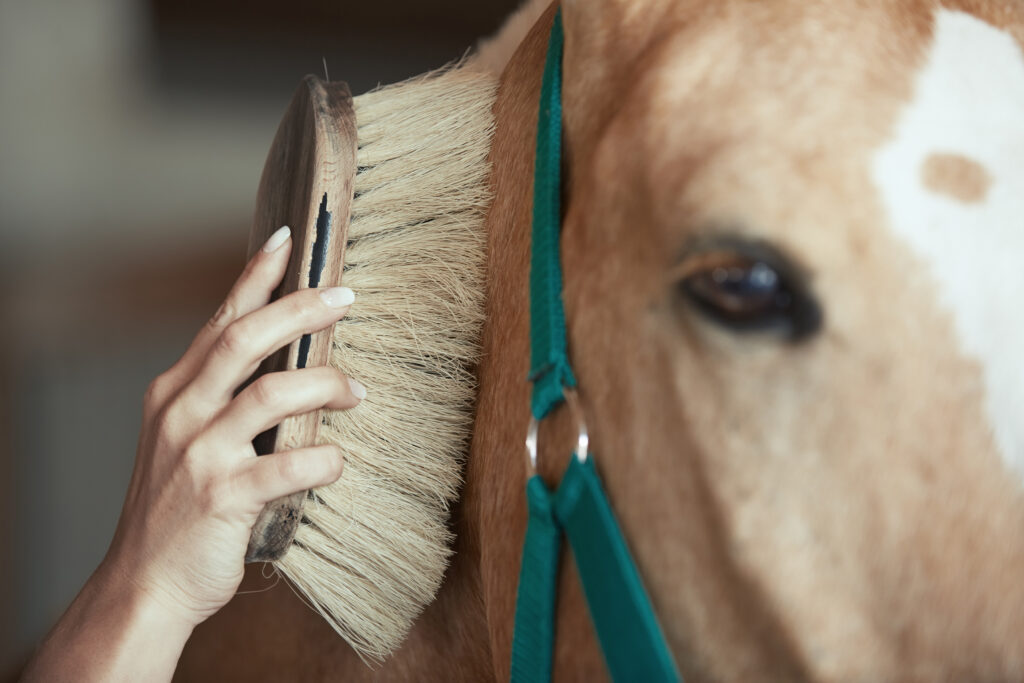
Maintaining a horse’s coat is essential for both health and appearance. Clipping is a key part of grooming, especially for horses in regular work or those with thick coats. A well-executed clipping routine not only keeps your horse comfortable but also helps prevent skin issues and overheating. This horse grooming clipping guide will walk you through best practices, safety tips, and expert advice to ensure a smooth experience for both you and your horse.
Before diving into the details, it’s important to remember that grooming and clipping are just one aspect of overall equine care. For those interested in broader safety topics, learning about the importance of a secure helmet retention system is also vital for rider safety.
Why Clipping Matters in Equine Grooming
Clipping offers several benefits for horses, particularly those in regular exercise or living in warmer climates. Removing excess hair helps regulate body temperature, reduces sweat buildup, and makes post-workout cleaning much easier. For horses with thick winter coats, clipping can prevent overheating and skin irritations caused by trapped moisture and dirt.
Additionally, a neat, trimmed coat allows for better inspection of the skin, making it easier to spot wounds, parasites, or signs of illness early. Clipping also enhances the appearance of show horses, giving them a polished, professional look.
Essential Tools for Safe and Effective Clipping
Having the right equipment is crucial for a safe and stress-free grooming session. Here’s what you’ll need:
- Clippers: Choose heavy-duty clippers for body work and smaller trimmers for sensitive areas like the face and legs.
- Blades: Select blades appropriate for your horse’s coat type and the desired finish. Fine blades give a smooth look, while coarse blades handle thick hair better.
- Brushes and Combs: Use these to detangle and clean the coat before clipping.
- Clipper Oil and Coolant: Regular lubrication prevents blades from overheating and pulling hair.
- Grooming Kit: A complete set, such as those found in beginner’s guides to horse grooming, ensures you have all the essentials on hand.
Preparing Your Horse for Clipping
Preparation is key to a successful and safe clipping session. Start by thoroughly washing and drying your horse to remove dirt and loose hair, which can dull clipper blades and cause discomfort. Make sure your horse is calm and accustomed to the sound and feel of clippers. If your horse is new to clipping, introduce the equipment gradually, rewarding calm behavior with treats or gentle praise.
Choose a safe, well-lit area free from distractions. Secure your horse using cross-ties or have a helper hold the lead rope. Always check the clippers and blades for cleanliness and sharpness before starting.

Step-by-Step Horse Clipping Instructions
Follow these steps to achieve a clean, safe clip:
- Start with the Body: Begin at the shoulder and work your way back, clipping against the direction of hair growth for a smooth finish. Use long, even strokes and overlap slightly to avoid lines.
- Move to Sensitive Areas: Switch to smaller trimmers for the face, ears, and legs. Be gentle and patient, as these areas are more sensitive.
- Check Blade Temperature: Frequently touch the blades to ensure they are not overheating. Pause to cool and oil them as needed.
- Take Breaks: Allow your horse to relax if they become restless. Short breaks help reduce stress and prevent accidents.
- Final Touches: Use a soft brush to remove clipped hair and inspect your work. Trim any missed spots for a uniform appearance.
For those interested in safety gear, understanding how to find the right riding helmet for your head shape is also an important part of equestrian safety.
Common Clipping Patterns and When to Use Them
The right clipping pattern depends on your horse’s workload, living conditions, and coat type. Here are some common styles:
- Full Clip: Removes all body hair except for the mane and tail. Ideal for horses in heavy work or those prone to overheating.
- Hunter Clip: Leaves hair on the legs and saddle area for protection. Suitable for show hunters and eventers.
- Trace Clip: Removes hair from the underside and neck, leaving the upper body covered. Good for horses in moderate work.
- Bib Clip: Minimal clipping on the chest and throat, perfect for light work or young horses.
Choose a pattern that matches your horse’s needs and the climate. Always consider how much time your horse spends outdoors and whether they wear blankets.
Safety Tips for Stress-Free Clipping
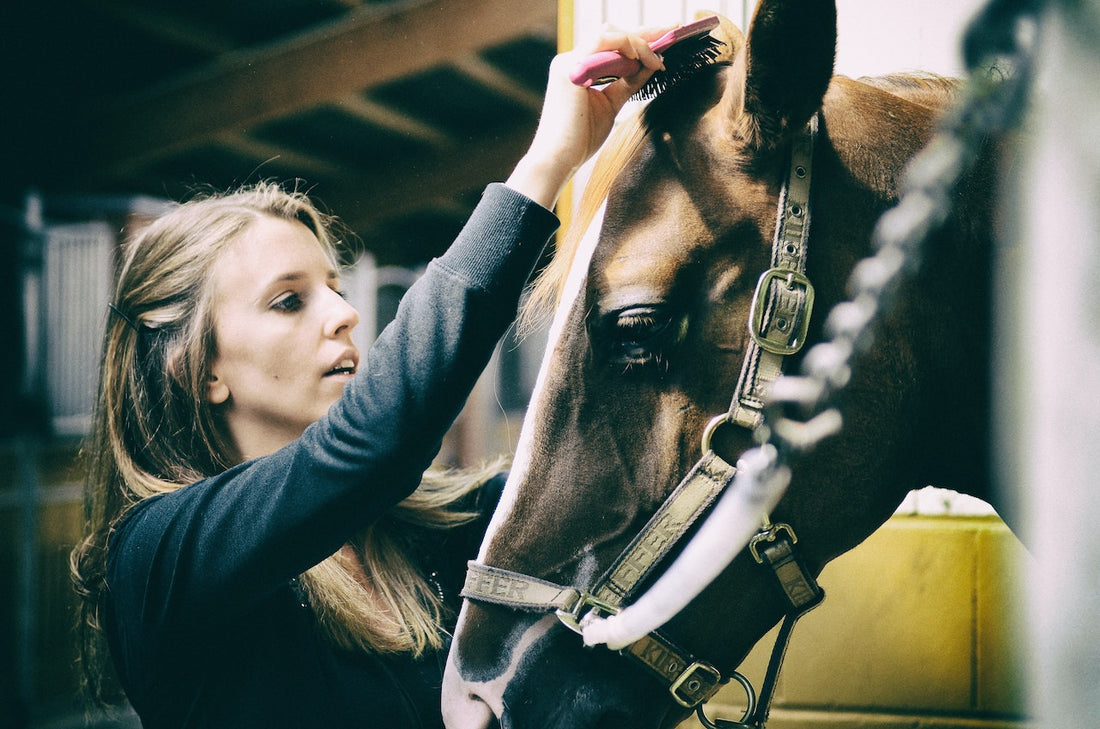
Ensuring safety during grooming is vital for both horse and handler. Here are some tips for a smooth experience:
- Stay Calm: Horses pick up on your energy. Stay relaxed and patient, especially if your horse is nervous.
- Check Equipment: Inspect all tools before use. Dull or dirty blades can cause discomfort and uneven clipping.
- Protect Sensitive Areas: Use caution around the eyes, ears, and muzzle. Some horses may require a twitch or mild sedation for these areas, but always consult a veterinarian first.
- Monitor for Skin Issues: Watch for nicks, irritation, or allergic reactions. Stop immediately if you notice any problems.
- Keep the Area Clean: Remove loose hair and debris regularly to prevent slipping and ensure a tidy workspace.
For additional insights on equestrian standards, you may want to read about the difference between UK and US riding standards to understand how grooming and safety practices can vary internationally.
Aftercare: Maintaining a Healthy Coat Post-Clipping
Once clipping is complete, proper aftercare is essential. Brush your horse thoroughly to remove any remaining hair and soothe the skin. Apply a gentle coat conditioner if needed, especially if the skin appears dry or irritated. Monitor your horse for a few days after clipping for any signs of discomfort or skin issues.
Depending on the weather and the amount of hair removed, you may need to blanket your horse to keep them warm. Regular grooming between clips helps maintain coat health and keeps your horse looking their best.
Frequently Asked Questions
How often should I clip my horse?
The frequency depends on your horse’s coat growth and workload. Most horses benefit from clipping every 6–8 weeks during the active season. Horses in heavy work or with fast-growing coats may require more frequent clipping.
What should I do if my horse is nervous about clippers?
Introduce clippers gradually, starting with the sound and vibration away from the horse’s body. Use positive reinforcement and take breaks as needed. For extremely anxious horses, consult a professional or your veterinarian for advice.
Can I clip my horse in cold weather?
Yes, but be sure to provide adequate blanketing after clipping to prevent your horse from getting chilled. Only remove as much hair as necessary for your horse’s comfort and workload.
Conclusion
Clipping is an important part of equine grooming that, when done correctly, promotes comfort, health, and a polished appearance. By following the steps and safety tips outlined in this horse grooming clipping guide, you can ensure a positive experience for both you and your horse. For more information on related topics, such as how to measure head circumference for horses, explore additional resources to enhance your equestrian knowledge.