


Achieving straightness is a fundamental goal in dressage, yet many riders encounter the challenge of a horse that feels crooked or uneven. Crookedness can manifest as drifting off the line, uneven rein contact, or a lack of balance and symmetry in movements. Addressing this issue is essential for both progression in training and the long-term soundness of the horse. In this guide, we’ll explore practical strategies and exercises for correcting crookedness, helping you improve your horse’s alignment and overall performance.
Before diving into specific techniques, it’s important to understand that crookedness is a natural tendency in most horses. Just as humans are right- or left-handed, horses often have a dominant side, which can lead to unevenness in their body and movement. Recognizing and addressing these tendencies early on can make a significant difference in your training outcomes.
For riders who are also focused on safety, especially when schooling straightness and balance, it’s wise to ensure your helmet fits properly. You can learn more about how to find the right riding helmet for your head shape to stay protected during training sessions.
Understanding the Causes of Crookedness
Crookedness in dressage can stem from a variety of sources. Some of the most common causes include:
- Natural asymmetry: Most horses are born with a dominant side, leading to uneven muscle development and movement patterns.
- Rider imbalance: If the rider is not sitting evenly or is stronger on one side, this can reinforce the horse’s crookedness.
- Poor saddle fit: An ill-fitting saddle can restrict movement and encourage the horse to compensate by moving crookedly.
- Lack of suppleness: Stiffness in the horse’s body can prevent it from bending and straightening correctly.
Identifying the underlying cause is the first step toward correcting alignment issues. Sometimes, a combination of these factors may be at play, requiring a holistic approach to training and equipment.
Recognizing Signs of Crookedness
Before you can address crookedness, it’s important to recognize the signs. Some indicators that your horse may not be moving straight include:
- Consistent drifting to one side on straight lines or circles
- Uneven rein contact or resistance on one rein
- Difficulty bending equally in both directions
- Hindquarters swinging out or leading in movements
- Uneven hoof prints or tracks
Observing your horse from the ground, as well as feeling for these signs while riding, can help you pinpoint where the crookedness originates.
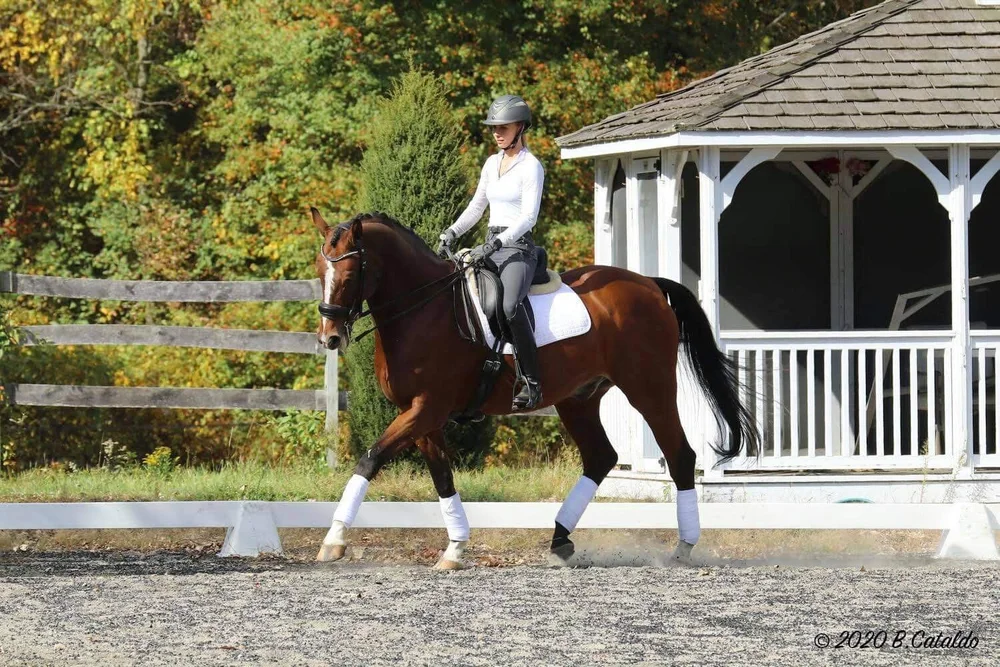
Effective Exercises for Improving Straightness
Once you’ve identified crookedness, targeted exercises can help correct it. Here are some proven techniques:
Shoulder-In and Shoulder-Fore
These lateral movements encourage the horse to step under with the inside hind leg and align the shoulders with the hindquarters. Start with shoulder-fore, which is less demanding, and progress to shoulder-in as your horse becomes more supple and balanced.
Leg Yielding
Leg yields help the horse learn to move away from the rider’s leg while maintaining forward movement. This exercise promotes evenness and encourages the horse to stretch through both sides of its body.
Transitions Within and Between Gaits
Frequent transitions, both within the same gait (e.g., collected to medium trot) and between gaits (walk-trot, trot-canter), help the horse engage its hindquarters and maintain straightness. Focus on keeping the horse aligned during each transition.
Riding on the Second Track
Moving slightly off the rail (the second track) prevents the horse from leaning on the wall for support and encourages self-carriage. This exercise makes it easier to detect and address crookedness.
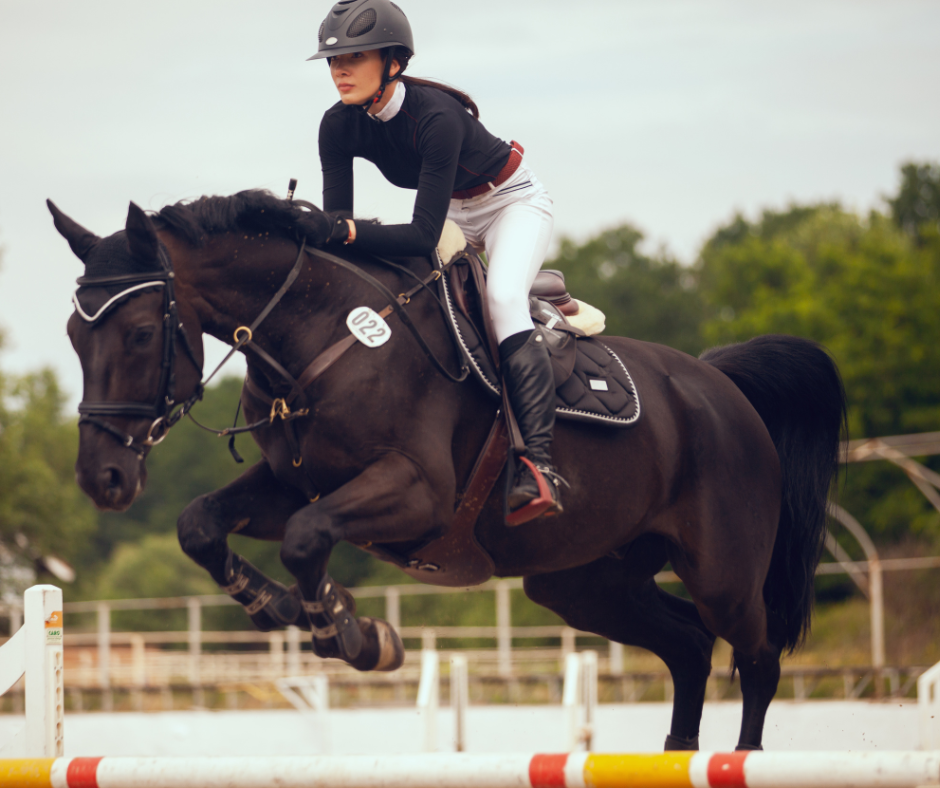
Rider’s Role in Correcting Crookedness
The rider’s position and aids play a crucial part in helping the horse move straight. Here are some tips to ensure you’re supporting your horse’s alignment:
- Check your seat: Sit evenly on both seat bones, with shoulders and hips parallel to the horse’s spine.
- Balance your reins: Maintain equal contact on both reins, avoiding pulling or restricting one side.
- Use your legs effectively: Apply your inside leg at the girth to encourage bend, and your outside leg slightly behind the girth to prevent the hindquarters from drifting.
- Stay aware of your posture: Regularly assess your own symmetry in the saddle, as even minor imbalances can influence your horse.
It can be helpful to work with a knowledgeable instructor or use mirrors to monitor your position and make necessary adjustments.
Equipment Considerations
Proper tack is essential for supporting straightness. An uneven or poorly fitting saddle can exacerbate crookedness by making it uncomfortable for the horse to move correctly. Make sure your saddle fits both you and your horse, and consider professional fitting if you notice persistent issues.
Additionally, check that your bridle and bit are correctly adjusted. Uneven pressure from the bridle can lead to resistance and further crookedness. Regularly inspect your tack for wear and fit to ensure your horse’s comfort and willingness to move straight.
Progressive Training and Patience
Correcting crookedness is a gradual process that requires consistency and patience. Celebrate small improvements and avoid overfacing your horse with exercises that are too challenging. Incorporate straightness work into your daily routine, and remember that progress may come in small increments.
For further insights on balance, suppleness, and collection, you may find these expert tips on maximizing dressage marks helpful as you refine your training approach.
Common Mistakes to Avoid
- Ignoring the horse’s natural asymmetry and expecting instant results
- Overusing the reins to force straightness instead of encouraging self-carriage
- Neglecting your own balance and position in the saddle
- Skipping regular tack checks and saddle fittings
- Failing to incorporate variety in exercises, leading to stiffness and resistance
By staying mindful of these pitfalls, you’ll be better equipped to support your horse’s development and maintain a positive training environment.
Frequently Asked Questions
What is the most common cause of crookedness in dressage horses?
The most frequent cause is natural asymmetry, where a horse favors one side due to muscle development or handedness. Rider imbalance and poor saddle fit can also contribute significantly.
How long does it take to correct a horse’s crookedness?
Improving straightness is an ongoing process that varies depending on the horse’s age, training history, and the consistency of the rider’s efforts. Some horses show improvement within weeks, while others may require several months of dedicated work.
Can crookedness lead to other problems if left unaddressed?
Yes, if not corrected, crookedness can cause uneven muscle development, increase the risk of lameness, and hinder progress in advanced dressage movements. Addressing it early supports the horse’s long-term health and performance.
Conclusion
Addressing crookedness in dressage is essential for achieving balance, harmony, and progression in your training. By understanding the root causes, recognizing the signs, and implementing targeted exercises, you can help your horse move more evenly and comfortably. Remember to pay attention to your own position, ensure your tack fits correctly, and approach the process with patience. With consistent effort, both you and your horse will benefit from improved straightness and greater success in the dressage arena.