

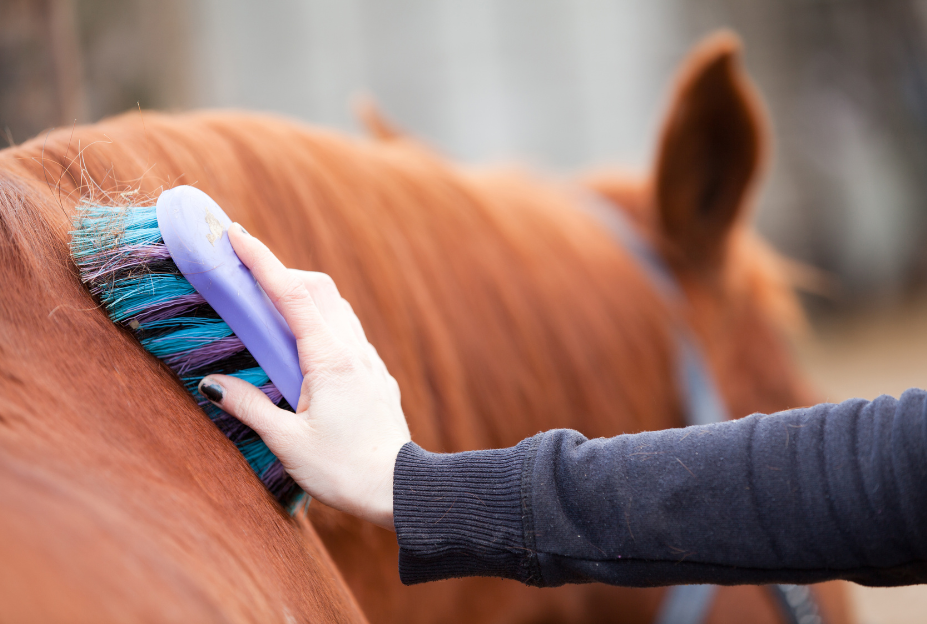
Proper horse care goes beyond feeding and exercise—regular grooming is essential for your horse’s health, comfort, and appearance. However, even experienced owners can fall into common pitfalls that may harm their horse or reduce the benefits of grooming. Recognizing and correcting these horse grooming mistakes can make a significant difference in your horse’s well-being.
In this article, we’ll highlight frequent errors made during grooming routines, explain why they matter, and provide practical advice for avoiding them. Whether you’re new to horse care or looking to refine your skills, understanding these missteps will help you keep your horse healthy, comfortable, and looking its best.
Before we dive into the most common errors, it’s worth noting that attention to detail in all aspects of horse care is crucial. For example, choosing the right safety equipment is just as important as grooming. If you’re interested in finding the best fit for your riding helmet, our guide on how to find the right riding helmet for your head shape offers valuable tips.
Overlooking the Importance of a Consistent Routine
One of the most frequent grooming errors is inconsistency. Skipping grooming sessions, especially during busy weeks or poor weather, can lead to a buildup of dirt, sweat, and debris. This not only affects your horse’s appearance but can also cause skin irritation, infections, and discomfort under tack.
- Tip: Establish a regular grooming schedule, ideally daily or at least several times a week, to maintain your horse’s coat and skin health.
- Use grooming as an opportunity to check for injuries, swelling, or signs of illness that might otherwise go unnoticed.
Using the Wrong Tools or Techniques
Selecting inappropriate brushes or using them incorrectly is a common source of horse grooming mistakes. For example, using a stiff curry comb on sensitive areas or a soft brush on thick mud can be ineffective or even painful for your horse.
- Always match the brush type to the area and the level of dirt. Curry combs are for loosening dirt on muscular areas, while soft brushes are for delicate spots like the face and legs.
- Clean your brushes regularly to avoid spreading bacteria and dirt back onto your horse’s coat.
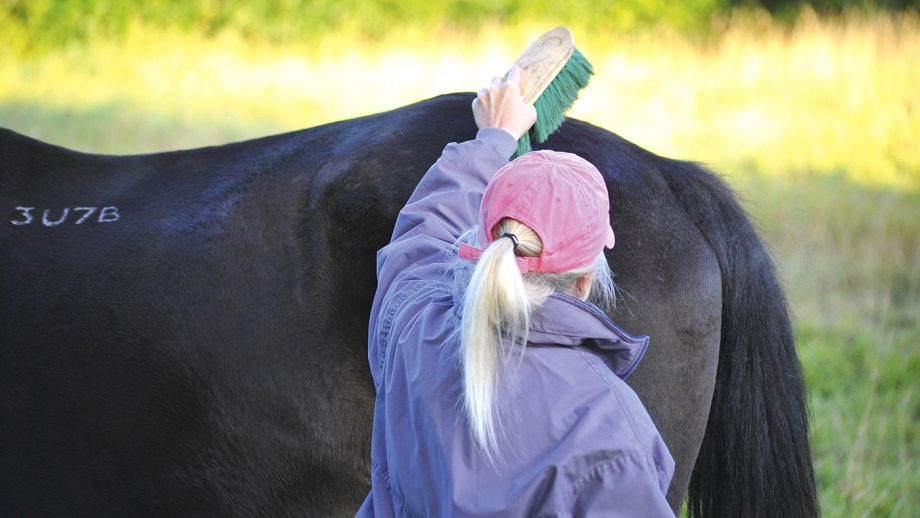
Neglecting Sensitive Areas
It’s easy to focus on the main body and overlook sensitive spots like the face, ears, under the jaw, and between the hind legs. Ignoring these areas can lead to discomfort, skin problems, and missed signs of health issues.
- Use a soft brush or damp cloth for delicate areas. Be gentle and patient, especially if your horse is head-shy or nervous.
- Regularly check for ticks, cuts, or signs of irritation in these often-missed spots.
Improper Hoof Care During Grooming
Failing to clean and inspect hooves is a critical oversight. Hooves can trap stones, mud, and debris, leading to bruising, abscesses, or thrush. Some owners rush through hoof picking or skip it altogether, especially if the horse is not being ridden that day.
- Pick out hooves every time you groom, not just before riding. Look for signs of cracks, odor, or heat, which may indicate problems.
- Use a hoof pick with a brush to remove all debris and check the frog and sole thoroughly.
Bathing Blunders and Overwashing
While an occasional bath is beneficial, excessive washing can strip natural oils from your horse’s coat, leading to dryness and skin irritation. Using harsh shampoos or failing to rinse thoroughly are also common horse grooming mistakes that can cause discomfort.
- Limit full baths to when they are truly needed, such as after heavy work or before shows.
- Choose equine-specific shampoos and always rinse thoroughly to prevent residue buildup.
Ignoring Mane and Tail Maintenance
The mane and tail require special attention to prevent tangles, breakage, and dirt accumulation. Ripping through knots with a brush or comb can cause hair loss and discomfort.
- Use a detangler spray and your fingers to gently separate knots before brushing.
- Work from the bottom up, holding sections of hair to avoid pulling at the roots.
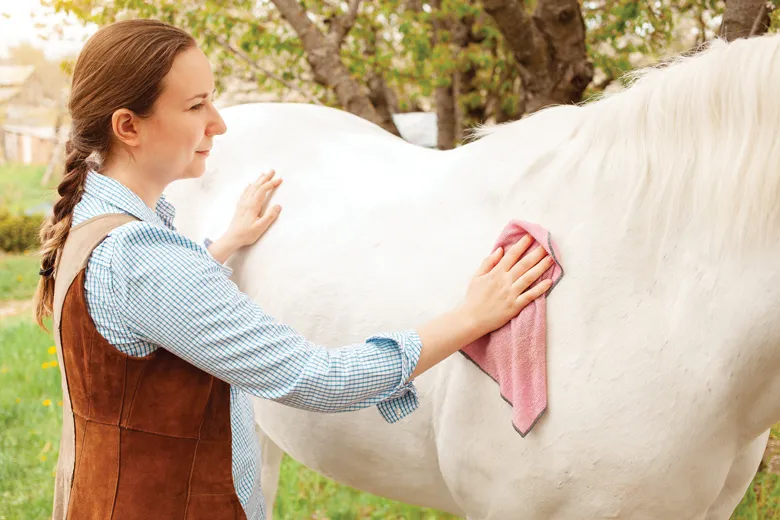
Not Adjusting Grooming for the Season
Grooming needs change with the weather. In winter, horses grow thicker coats and may be blanketed, while summer brings sweat and increased exposure to dust and insects. Sticking to the same routine year-round is a common oversight.
- In cold months, avoid over-bathing and focus on thorough currying to remove dead hair and promote circulation.
- During warmer weather, pay extra attention to sweat marks, fly spray residue, and sun protection.
Forgetting to Reward and Observe Your Horse
Grooming is not just about cleaning—it’s a chance to bond and observe your horse’s behavior. Rushing through or being rough can make your horse anxious or resistant. Take time to reward calm behavior and note any changes in attitude or health.
- Offer treats or gentle scratches as positive reinforcement.
- Notice if your horse flinches, moves away, or shows signs of discomfort, as this may indicate pain or a developing health issue.
Additional Tips for Effective Grooming
- Keep your grooming kit clean and organized to prevent cross-contamination between horses.
- Replace worn-out brushes and tools regularly for the best results.
- Stay informed about best practices by consulting reputable resources, such as these horse show grooming tips from experienced professionals.
Frequently Asked Questions
How often should I groom my horse?
Ideally, horses should be groomed daily, even if they are not being ridden. Regular grooming helps maintain coat health, allows you to check for injuries, and strengthens your bond with your horse.
What are the signs that I am using the wrong grooming tools?
If your horse shows signs of discomfort, such as flinching or moving away, or if you notice skin irritation or hair loss, you may be using brushes that are too harsh or not suitable for the area. Always choose tools designed for specific parts of the body and check for wear or buildup on your brushes.
Is it okay to bathe my horse frequently?
Frequent bathing can strip the coat of natural oils, leading to dryness and irritation. Limit baths to when they are necessary, such as after heavy work or before competitions, and use mild, horse-specific shampoos. Always rinse thoroughly to remove all soap residue.
By avoiding these common horse grooming mistakes and paying attention to your horse’s individual needs, you’ll help ensure their comfort, health, and happiness. Consistency, the right tools, and a gentle approach go a long way in making grooming a positive experience for both you and your horse.