

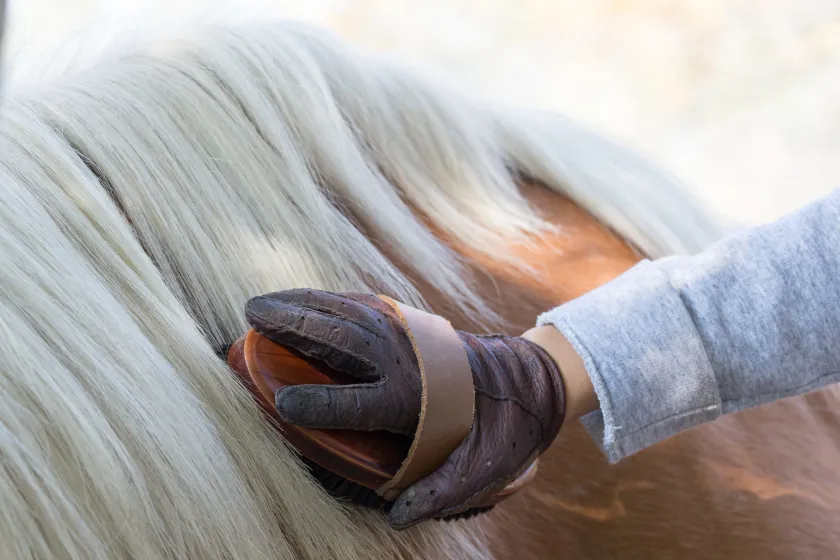
Keeping your horse’s legs clean, healthy, and neatly trimmed is an essential part of overall equine care. Proper leg grooming not only enhances your horse’s appearance but also helps prevent skin issues, injuries, and discomfort. Whether you’re preparing for a show or simply maintaining daily hygiene, understanding the right techniques and tools for horse grooming leg trimming is crucial for every horse owner or handler.
This guide covers the fundamentals of leg trimming, including safety considerations, recommended equipment, and step-by-step instructions. You’ll also find practical advice for handling sensitive horses and tips for making the process stress-free for both you and your equine companion. If you’re interested in other aspects of equestrian safety, you might also want to learn how to find the right riding helmet for your head shape to ensure a secure and comfortable fit during rides.
Why Leg Trimming Is Important for Horses
Regularly trimming the hair on your horse’s legs helps maintain hygiene, reduces the risk of skin infections, and allows you to easily inspect for injuries or parasites. Thick or matted hair can trap moisture and dirt, leading to conditions like mud fever or scratches. By keeping the lower limbs tidy, you also make it easier to apply bandages or boots when needed.
For show horses, neat legs are often a requirement, but even for leisure or working horses, trimmed legs contribute to overall comfort and well-being. It’s also a good opportunity to check for cuts, swelling, or signs of lameness that might otherwise go unnoticed beneath long hair.
Essential Tools for Safe and Effective Leg Grooming
Having the right equipment is key to achieving a clean and safe trim. Here are the most commonly used tools for horse grooming leg trimming:
- Clippers: Electric or battery-powered clippers with adjustable blades are ideal for trimming legs. Choose a model designed for horses to ensure quiet operation and safety features.
- Scissors: Rounded-tip grooming scissors can be used for touch-ups or for horses that are nervous around clippers.
- Brushes: A stiff brush helps remove dirt and loose hair before trimming, while a soft brush is useful for finishing touches.
- Hoof Pick: Always clean the hooves before starting to avoid transferring dirt onto freshly trimmed legs.
- Detangler or Coat Conditioner: These products make it easier to brush out tangles and prevent pulling on sensitive skin.
Before you begin, make sure all tools are clean, sharp, and in good working order to avoid causing discomfort or accidental nicks.
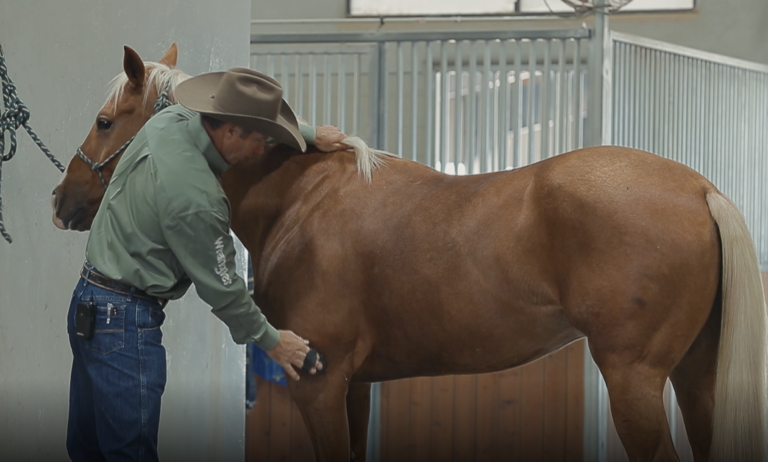
Step-by-Step Guide to Trimming Horse Legs
Follow these steps to achieve a safe and professional-looking trim:
-
Prepare Your Horse:
- Secure your horse in a quiet, well-lit area using cross-ties or have a helper hold the lead rope.
- Ensure your horse is calm and accustomed to the sound and feel of clippers or scissors.
-
Clean the Legs:
- Brush away dirt, mud, and loose hair using a stiff brush.
- Pick out the hooves and check for any signs of injury or infection.
-
Start Trimming:
- Begin at the top of the leg and work downward, following the direction of hair growth.
- Use slow, steady strokes with the clippers, keeping the blade flat against the skin to avoid lines or uneven patches.
- For sensitive areas around the fetlock or pastern, use scissors or a smaller trimmer for better control.
-
Check Your Progress:
- Step back frequently to assess your work and ensure an even trim on all sides.
- Use a soft brush to remove clipped hair and check for any missed spots.
-
Finishing Touches:
- Apply a coat conditioner or detangler to keep the hair soft and manageable.
- Reward your horse with a treat or gentle pat for standing patiently.
Patience is key, especially if your horse is new to leg trimming. Take breaks if needed and always prioritize your horse’s comfort and safety.
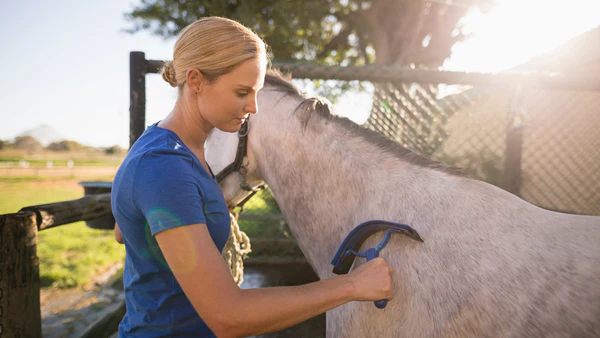
Common Challenges and Solutions in Leg Trimming
Some horses may be nervous or fidgety during leg grooming, especially if they’ve had negative experiences in the past. Here are a few tips to address common issues:
- Desensitize Gradually: Introduce clippers or scissors slowly, allowing your horse to sniff and hear them before use. Turn clippers on and off near the horse without touching them at first.
- Use Positive Reinforcement: Reward calm behavior with treats or praise. Keep sessions short and end on a positive note.
- Seek Help if Needed: If your horse is particularly anxious, ask an experienced handler or professional groomer for assistance.
- Monitor for Skin Issues: If you notice redness, swelling, or irritation after trimming, consult your veterinarian before continuing.
For more in-depth information on basic grooming routines, you can refer to this comprehensive guide to horse grooming fundamentals.
Maintaining Healthy Legs Between Trims
Regular maintenance is just as important as the trimming process itself. Here are some ways to keep your horse’s legs in top condition:
- Brush the legs daily to remove dirt and debris, especially after turnout or exercise.
- Inspect for cuts, swelling, or signs of infection regularly.
- Keep the stall and turnout areas clean and dry to reduce the risk of skin problems.
- Reapply coat conditioner or detangler as needed to prevent tangles and dryness.
Staying proactive with leg care helps prevent problems and ensures your horse remains comfortable and healthy year-round.
Frequently Asked Questions
How often should I trim my horse’s leg hair?
The frequency depends on your horse’s breed, coat type, and activity level. For most horses, trimming every 4–8 weeks is sufficient, but show horses may require more frequent touch-ups to maintain a polished look.
Is it safe to use clippers on sensitive horses?
Yes, but always introduce clippers gradually and use a quiet, low-vibration model designed for equine use. For very sensitive horses, consider using scissors for touch-ups or seek help from a professional groomer.
What should I do if I accidentally nick my horse’s skin?
If you cause a small nick, clean the area with antiseptic and monitor for signs of infection. For deeper cuts or persistent bleeding, contact your veterinarian promptly.
Can I trim my horse’s legs in winter?
Yes, but avoid removing too much hair in cold weather, as the coat provides natural insulation. Focus on tidying up long or matted areas while leaving enough hair for warmth.
By following these practical tips and maintaining a consistent grooming routine, you’ll help your horse look and feel their best. For more equestrian care advice, explore topics such as the importance of a secure helmet retention system to further enhance your horse’s safety and comfort.