


Regular grooming is essential for every horse’s health and comfort. Among the various tools in a grooming kit, the body brush stands out for its ability to remove dust, smooth the coat, and stimulate the skin. Understanding horse grooming body brush use helps ensure your horse stays clean, healthy, and happy. This guide covers the correct way to use a body brush, why it matters, and tips for making the most of your grooming routine.
Before diving into the step-by-step process, it’s important to note that proper grooming is about more than just appearance. It also promotes circulation, helps you check for injuries, and strengthens the bond between you and your horse. If you’re interested in equestrian safety, you might also want to learn how to find the right riding helmet for your head shape to complement your grooming knowledge.
Understanding the Role of the Body Brush in Equine Care
The body brush is a staple in any grooming kit. It features soft or medium bristles designed to sweep away fine dust and bring out the natural shine in a horse’s coat. Unlike the curry comb, which loosens dirt and debris, the body brush is used for finishing touches and sensitive areas. Knowing when and how to use this tool is a key part of effective horse grooming body brush use.
Body brushes come in various sizes and bristle types. Soft-bristled brushes are ideal for sensitive skin and delicate areas like the face and legs, while medium bristles are suitable for the main body. The right brush helps distribute natural oils, leaving the coat glossy and healthy.
Preparing for a Successful Grooming Session
Before you start, gather all necessary tools: a curry comb, dandy brush, body brush, hoof pick, and a clean towel. Make sure your horse is securely tied in a safe, quiet area. Begin by checking for any cuts, swelling, or signs of discomfort. This initial inspection is an important part of daily horse care and helps you spot issues early.
Start with the curry comb to loosen dirt and mud. Use circular motions, avoiding bony areas and sensitive spots. Next, use a dandy brush to flick away larger debris. Only after these steps should you reach for the body brush. This sequence ensures the body brush remains effective and doesn’t get clogged with heavy dirt.
Step-by-Step Guide to Body Brush Technique
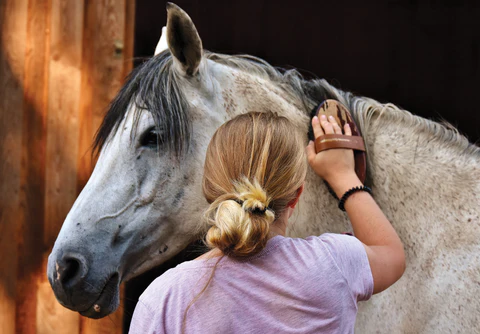
To get the most out of your horse grooming body brush use, follow these steps:
- Hold the brush correctly. Place the strap over your hand so the brush fits snugly in your palm. This gives you control and prevents dropping the brush.
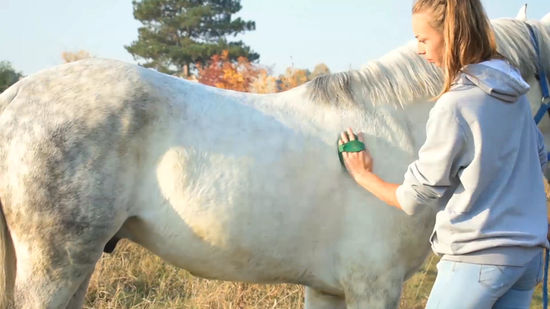
- Brush in the direction of hair growth. Use long, smooth strokes, starting at the neck and working toward the hindquarters. Avoid brushing against the grain, as this can irritate the skin.
- Apply gentle pressure. Let the bristles do the work. Too much force can cause discomfort, especially on sensitive areas.
- Pay attention to sensitive spots. Use a softer brush or lighter touch on the face, belly, and legs.
- Clean the brush frequently. After every few strokes, tap the brush against a hard surface or use a curry comb to remove accumulated dust and hair. This keeps the brush effective and prevents spreading dirt.
- Finish with a soft cloth. Wipe the coat with a clean towel to remove any remaining dust and add extra shine.
Consistent technique leads to a healthier coat and a more enjoyable experience for your horse.
Benefits of Regular Body Brushing
Incorporating a body brush into your daily routine offers several advantages:
- Removes fine dust and dander that other brushes may miss.
- Stimulates the skin and encourages natural oil production, resulting in a glossy coat.
- Improves circulation and muscle tone through gentle massage.
- Allows close inspection for injuries, ticks, or skin conditions.
- Strengthens the bond between you and your horse through regular, positive contact.
For more insights on equine care, you can check out grooming basics for equine caregivers for a comprehensive overview of best practices.
Common Mistakes and How to Avoid Them
Even experienced horse owners can make errors when using a body brush. Here are some frequent pitfalls and how to sidestep them:
- Skipping the curry comb step: Using the body brush on a dirty coat clogs the bristles and reduces effectiveness.
- Brushing too hard: Excessive pressure can irritate the skin and make grooming uncomfortable for your horse.
- Neglecting sensitive areas: Always use a softer brush or lighter touch on delicate spots to avoid causing distress.
- Not cleaning the brush: A dirty brush spreads dust rather than removing it. Clean the brush regularly during each session.
- Ignoring the direction of hair growth: Always brush in the direction the hair lies for a smooth, shiny finish.
Integrating Body Brushing into Your Grooming Routine
For best results, make body brushing a daily habit. It’s especially important after exercise or turnout, when dust and sweat can accumulate. If your horse is shedding, you may need to brush more frequently to help remove loose hair.
Pairing grooming with other aspects of horse care, like checking tack fit or monitoring health, creates a comprehensive routine. If you’re interested in other aspects of equestrian safety, you might find value in learning about the importance of a secure helmet retention system for riders.
Frequently Asked Questions
How often should I use a body brush on my horse?
Ideally, you should use a body brush every day, especially if your horse is turned out or exercised regularly. Daily brushing removes dust, distributes oils, and keeps the coat healthy. During shedding season, you may need to brush more often to manage loose hair.
Can I use the same body brush on multiple horses?
It’s best to have separate brushes for each horse to prevent the spread of skin conditions or parasites. If you must share, clean the brush thoroughly between uses by washing it with mild soap and water and allowing it to dry completely.
What’s the difference between a body brush and a dandy brush?
A dandy brush has stiff bristles and is used to remove heavier dirt and mud, usually after currying. The body brush has softer bristles and is designed for finishing touches, removing fine dust, and smoothing the coat. Both are important, but they serve different purposes in the grooming process.
Should I use a body brush on my horse’s face and legs?
You can use a soft-bristled body brush on the face and legs, but always be gentle. These areas are more sensitive, so use lighter pressure and avoid bony or injured spots.
Conclusion
Mastering horse grooming body brush use is a simple yet effective way to support your horse’s health and well-being. By following the correct techniques, using the right tools, and making grooming a regular habit, you’ll help your horse look and feel its best. Remember, grooming is more than a chore—it’s an opportunity to connect with your horse and monitor its health. For further reading on equestrian safety and care, explore topics like how to choose a helmet for eventing or how to measure head circumference for horses to round out your knowledge.