

Preparing a horse for the show ring is a meticulous process that goes far beyond basic care. Horse grooming for show horses requires attention to detail, specialized tools, and a thorough understanding of what judges and audiences expect. Whether you are new to competition or looking to refine your grooming routine, mastering these professional techniques can make a significant difference in your horse’s presentation and performance.
This article covers essential steps, products, and strategies used by experienced grooms and competitors. You’ll find practical advice on everything from daily maintenance to last-minute touch-ups, ensuring your equine partner looks and feels their best on show day. For those interested in broader equestrian safety, you might also want to read about how to choose a helmet for eventing to complement your preparation.
Essential Grooming Tools and Supplies
The foundation of any successful grooming routine is a well-stocked kit. Professional grooms rely on a range of tools to achieve a flawless finish. Here are the must-have items for show horse grooming:
- Curry comb: Loosens dirt, mud, and loose hair from the coat.
- Body brush: Removes finer dust and brings out the natural shine.
- Mane and tail brush: Detangles and smooths hair without causing breakage.
- Hoof pick: Cleans debris from hooves and checks for stones or injuries.
- Sponges and towels: Useful for wiping eyes, nostrils, and sensitive areas.
- Shedding blade or grooming block: Helps remove dead hair, especially during seasonal changes.
- Show sheen or coat polish: Adds gloss and repels dust for a polished look.
- Clippers or scissors: For precise trimming of whiskers, bridle paths, and fetlocks.
Investing in quality products not only improves results but also ensures your horse’s comfort throughout the process.
Step-by-Step Routine for Show-Ready Results
Achieving a standout appearance in the ring is about consistency and technique. Here’s a breakdown of the daily and pre-show steps that professionals follow for grooming show horses:
1. Daily Maintenance
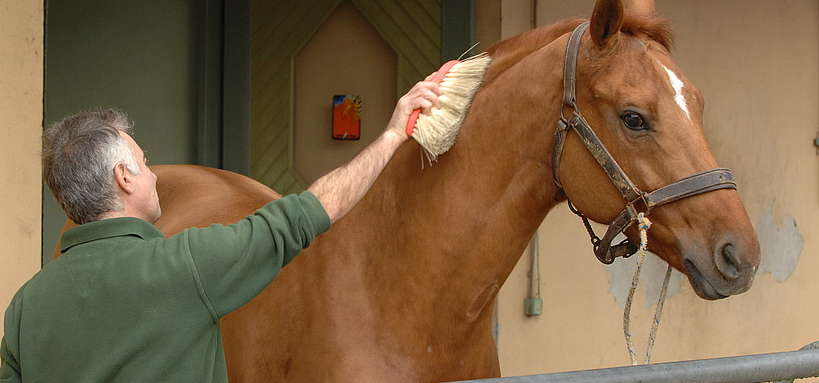
- Currying: Use a rubber curry comb in circular motions to loosen dirt and stimulate natural oils.
- Brushing: Follow with a stiff brush to remove debris, then a soft brush for shine.
- Mane and Tail Care: Gently detangle using fingers or a wide-tooth comb. Avoid excessive pulling to prevent hair loss.
- Hoof Cleaning: Pick out hooves daily, checking for stones, cracks, or signs of thrush.
- Face and Sensitive Areas: Use a damp sponge or soft cloth to clean around eyes, nostrils, and dock.
2. Bathing and Deep Cleaning
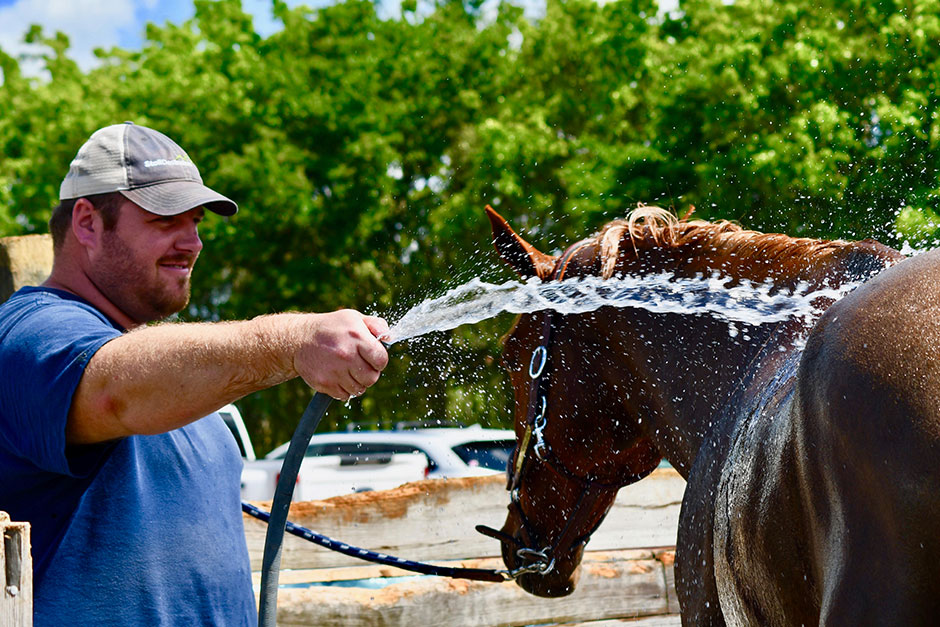
Before a show, a thorough bath is essential. Use equine-specific shampoos and conditioners to enhance coat color and health. Rinse thoroughly to avoid residue, which can dull the coat or cause irritation. Dry with a sweat scraper and towels, then allow the horse to air dry in a draft-free area.
3. Clipping and Trimming
For a polished appearance, trim whiskers, bridle paths, and excess hair around the fetlocks and ears. Use sharp, clean clippers or scissors, and always check competition rules regarding permissible trimming.
4. Final Touches Before Entering the Ring
- Coat Polish: Apply a light mist of show sheen for extra gloss and to repel dust.
- Hoof Dressing: Use a hoof oil or polish to enhance color and shine.
- Braiding: Neatly braid the mane and tail according to discipline standards. Secure with yarn or rubber bands.
- Spot Cleaning: Keep a damp cloth handy for last-minute touch-ups, especially for light-colored horses.
Expert Tips for Standout Presentation
Professional grooms have developed a few tricks to ensure horses look their absolute best. Here are some advanced tips for horse grooming for show horses:
- Whitening Products: For gray or white horses, use specialized shampoos and spot removers to eliminate stains.
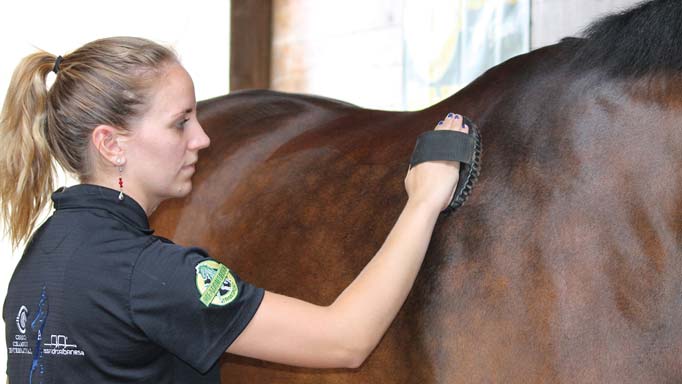
- Shine Enhancers: A final wipe with a silk cloth or grooming mitt can add an extra layer of gloss.
- Static Control: Lightly misting the coat with water or anti-static spray helps keep hair smooth and manageable.
- Tail Bags: Protect the tail overnight with a bag to keep it clean and tangle-free before the show.
- Consistent Routine: Regular grooming not only improves appearance but also builds trust and helps spot health issues early.
For a comprehensive breakdown of grooming steps and additional product recommendations, check out this step-by-step guide to equine grooming.
Common Mistakes to Avoid in Show Horse Grooming
Even experienced handlers can make errors that detract from a horse’s appearance or comfort. Avoid these pitfalls to ensure your efforts pay off in the ring:
- Overuse of Products: Too much polish or conditioner can make the coat slippery and attract dust.
- Neglecting Sensitive Areas: Failing to clean eyes, nostrils, and under the tail can leave a horse looking unfinished.
- Improper Clipping: Uneven or rushed trimming can stand out under show lights.
- Skipping Daily Care: Infrequent grooming leads to stains, dull coats, and missed health issues.
- Ignoring Rules: Each discipline has specific grooming standards—always review the rulebook before making changes.
FAQ: Show Horse Grooming
How often should I groom my horse before a show?
Daily grooming is recommended in the weeks leading up to a competition. This keeps the coat healthy, reduces stains, and helps your horse get used to the process. On show day, allow extra time for bathing, braiding, and final touch-ups.
What is the best way to keep a white or gray horse clean for shows?
Use whitening shampoos and spot removers regularly. Keep your horse blanketed and use tail bags to minimize stains. On show day, bring extra towels and a spray bottle for last-minute cleaning.
Are there any safety tips to remember when grooming for shows?
Always work in a safe, quiet area and use gentle, calm movements. Check tools for damage before use, and never leave your horse unattended while tied. For additional safety, ensure your own gear is up to standard—see our guide on common equestrian helmet fitting mistakes for more information.
Should I clip my horse for every show?
Clipping depends on your discipline and the season. Many competitors clip bridle paths, whiskers, and legs for a tidy appearance, but always check the rules for your specific event. Some shows require natural whiskers for welfare reasons.
Conclusion
Mastering horse grooming for show horses is a blend of daily dedication, the right tools, and attention to detail. By following these professional techniques, you can help your horse stand out in the ring and perform at their best. Consistent care not only enhances appearance but also supports your horse’s health and well-being throughout the show season.