

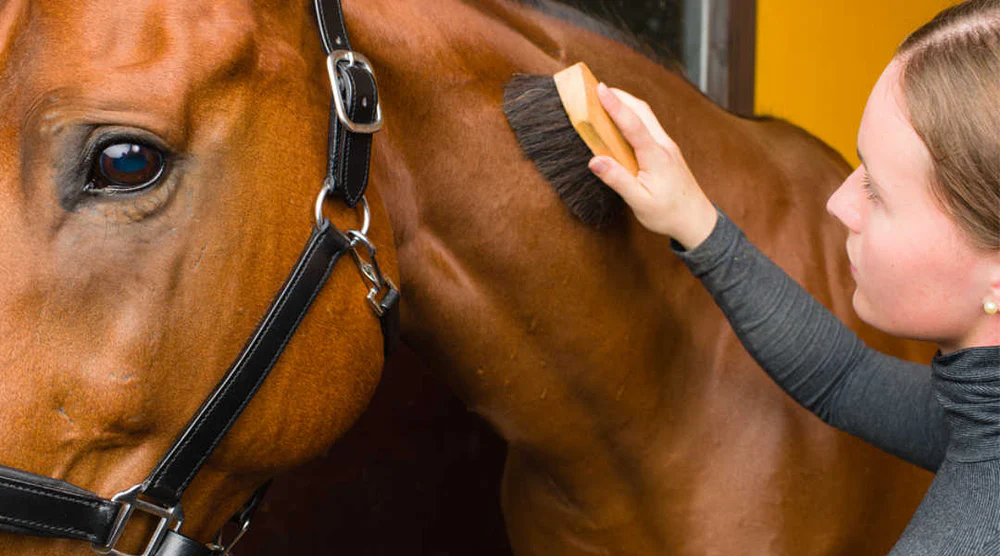
Learning how to care for a horse’s coat, mane, tail, and hooves is a fundamental skill for any new equestrian. Proper grooming not only keeps your horse looking its best, but also supports their health, comfort, and well-being. For those just starting out, understanding the basics of horse grooming for beginners can feel overwhelming, but with the right approach and tools, it quickly becomes a rewarding routine.
This article covers everything a newcomer needs to know, from assembling your first grooming kit to step-by-step instructions and essential safety tips. As you develop your skills, you’ll also discover how grooming strengthens the bond between you and your horse, making it a key part of daily horse care. For those interested in riding safety, you may also want to explore how to choose a helmet for eventing to complement your grooming knowledge.
Why Regular Grooming Matters
Consistent grooming is about much more than appearance. It helps maintain your horse’s skin and coat health, prevents painful matting, and allows you to check for injuries, parasites, or skin conditions. Daily grooming also improves circulation and distributes natural oils, giving your horse a healthy shine.
- Health monitoring: Spot cuts, swelling, or signs of illness early.
- Comfort: Remove dirt, sweat, and debris that can cause irritation.
- Bonding: Build trust and a positive relationship with your horse.
- Performance: Clean horses are less likely to develop saddle sores or discomfort during riding.
Essential Horse Grooming Tools for Starters
Before you begin, gather a basic set of grooming tools. A well-equipped kit makes the process smoother and more effective. Here’s what every beginner should have:
- Curry comb: Loosens dirt and stimulates the skin.
- Dandy brush: Removes heavier dirt and dried mud.
- Body brush: Soft bristles for dust and finishing touches.
- Mane and tail comb: Detangles hair without breaking it.
- Hoof pick: Cleans out hooves and checks for stones or debris.
- Sponge or soft cloth: For cleaning delicate areas like the face.
- Shedding blade (seasonal): Helps remove loose hair during shedding periods.
For a convenient starter kit, consider options like the Weaver Leather Equine Grooming Kit, which includes most of these essentials.
Step-by-Step Guide to Grooming Your Horse
Follow these steps to ensure a thorough and safe grooming session. Always approach your horse calmly and work in a quiet, safe area.
- Secure your horse: Use cross-ties or a lead rope in a safe area. Make sure your horse is comfortable and aware of your presence.
- Start with the curry comb: Using circular motions, gently loosen dirt and hair from the coat. Avoid sensitive areas like the face and legs.
- Use the dandy brush: With short, flicking strokes, remove the loosened dirt and debris. Work in the direction of hair growth.
- Body brush for finishing: Use the soft-bristled brush to remove fine dust and bring out the natural shine.
- Mane and tail care: Use a wide-toothed comb or your fingers to detangle, starting at the ends and working up. Avoid pulling to prevent breakage.
- Clean the hooves: Pick up each hoof and use the hoof pick to remove dirt, stones, and manure. Check for signs of thrush or injury.
- Wipe sensitive areas: Use a damp sponge or cloth to gently clean around the eyes, nostrils, and dock.
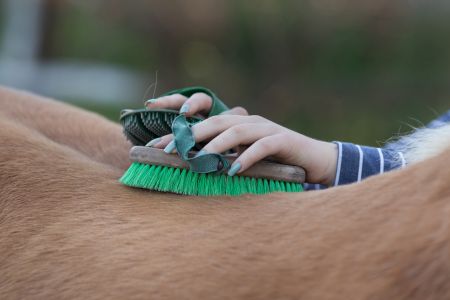
Tips for Safe and Effective Grooming
Safety is crucial, especially for those new to horse care. Here are some practical tips to keep both you and your horse comfortable:
- Stay alert: Always be aware of your horse’s body language. Move calmly and avoid sudden gestures.
- Work from the shoulder: Stand near the horse’s shoulder or hip, not directly behind or in front.
- Use the right pressure: Adjust your touch based on your horse’s reactions. Some horses prefer a firmer touch, while others are sensitive.
- Keep tools clean: Regularly wash brushes and combs to prevent skin infections.
- Check hooves daily: Even if you don’t groom the whole body, picking out hooves helps prevent lameness and infection.
Common Mistakes to Avoid When Starting Out
Beginners often make a few missteps as they learn. Here’s what to watch for:
- Skipping daily checks: Even a quick once-over can catch health issues early.
- Using dirty tools: Dirty brushes can spread bacteria and irritate the skin.
- Neglecting sensitive spots: Don’t forget to gently clean the face, ears, and under the tail.
- Being too rough: Overzealous brushing can cause discomfort or even injury.
- Ignoring hoof care: Hoof neglect is a leading cause of lameness.
For more detailed advice, check out this comprehensive introduction to grooming basics from equine care professionals.
Seasonal Adjustments for Grooming Routines
Your approach to grooming will change with the seasons. In spring and fall, horses shed their coats, so you’ll need to use shedding blades and spend extra time removing loose hair. In winter, focus on keeping the coat clean and dry, but avoid over-brushing, which can strip away natural oils that provide insulation.
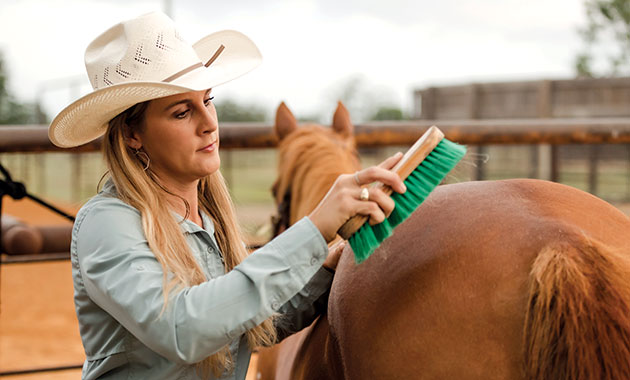
In hot weather, sweat and dust can build up quickly, so daily grooming is especially important. Always check for skin irritations or insect bites, and use gentle products suitable for your horse’s skin type.
Additional Resources for New Equestrians
As you develop your grooming routine, it’s helpful to expand your knowledge of overall horse care and safety. For instance, understanding how to evaluate helmet weight for neck comfort or learning about common equestrian helmet fitting mistakes can further support your journey as a responsible horse owner.
Frequently Asked Questions
How often should I groom my horse?
Ideally, horses should be groomed daily, especially if they are ridden or turned out in muddy conditions. Regular grooming keeps the coat healthy and allows you to spot health issues early.
What if my horse doesn’t like being groomed?
Some horses are sensitive or have had negative experiences. Start slowly, use gentle pressure, and reward calm behavior. Over time, most horses learn to enjoy grooming as a relaxing routine.
Can I use human brushes on my horse?
It’s best to use brushes designed specifically for horses. Human brushes are often too soft or the wrong shape, making them less effective and potentially uncomfortable for your horse.
Do I need to bathe my horse regularly?
Horses do not need frequent baths. Regular brushing is usually sufficient. Bathing can be done occasionally, especially before shows or if your horse is very dirty, but over-bathing can strip natural oils from the coat.
Mastering the basics of horse grooming for beginners sets the foundation for a healthy, happy partnership with your horse. With the right tools, a consistent routine, and attention to detail, you’ll soon feel confident in your ability to keep your horse looking and feeling its best.