


Friesian horses are admired for their striking appearance and gentle temperament, but like all equines, they can face unexpected injuries or health issues. Being prepared with the right emergency supplies is a crucial part of responsible Friesian ownership. Understanding Friesian horse first aid basics not only helps you respond quickly to accidents, but also gives you peace of mind knowing you can support your horse until veterinary help arrives.
This guide covers the must-have items for your first aid kit, practical tips for handling common emergencies, and how to tailor your supplies for the unique needs of Friesians. For a broader perspective on these majestic animals, you might also enjoy the complete guide to Friesian horses, which covers their care, history, and more.
Why Every Friesian Owner Needs a Dedicated First Aid Kit
Horses are naturally curious and can injure themselves in the pasture, stable, or during transport. Friesians, with their long manes and feathers, may be prone to skin irritations, scrapes, or even more serious wounds. A well-stocked first aid kit allows you to address minor injuries promptly and stabilize your horse in emergencies while waiting for professional care.
Quick action can make a significant difference in recovery time and comfort. Having supplies organized and accessible means you’re ready for anything from a minor cut to a more serious colic episode. If you’re looking to deepen your understanding of equine care, the article on how to become a better horse owner offers practical advice on building a strong bond and being proactive about your horse’s needs.
Core Supplies for Friesian Horse First Aid
Every Friesian owner should assemble a kit tailored to the breed’s unique characteristics. Here are the essentials to include:
- Thermometer: Digital or mercury, for monitoring temperature.
- Stethoscope: To check heart and gut sounds.
- Bandage materials: Non-stick pads, gauze rolls, vet wrap, and adhesive tape for wound care.
- Antiseptic solution: Such as chlorhexidine or iodine for cleaning wounds.
- Scissors and tweezers: For cutting bandages and removing debris.
- Disposable gloves: To maintain hygiene during treatment.
- Cold packs: Useful for swelling or bruises.
- Hoof pick and hoof boot: For addressing hoof injuries or abscesses.
- Fly repellent and wound ointment: To protect healing skin, especially important for Friesians with sensitive coats.
- Saline solution: For flushing eyes or wounds.
- Emergency contact list: Including your veterinarian, farrier, and nearby equine hospitals.
Make sure to check your supplies regularly and replace expired items. For grooming and daily care, you can explore these Friesian grooming tips to keep your horse’s coat and mane healthy, which also helps prevent minor injuries from escalating.
Special Considerations for Friesian Horses
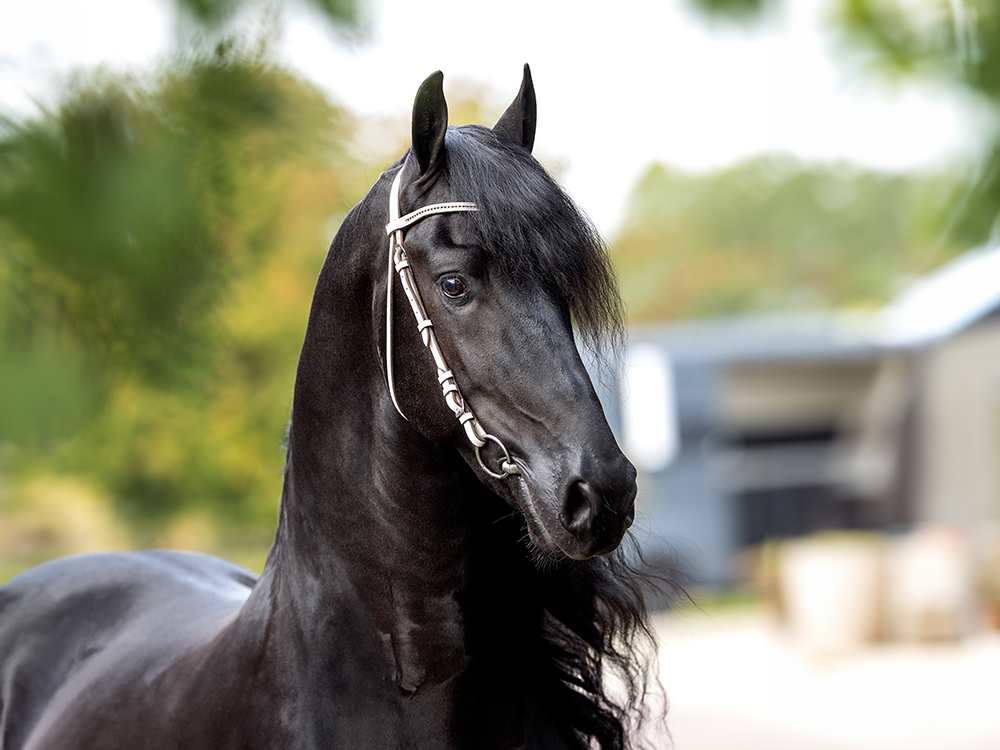
While most first aid kits are similar across breeds, Friesians have some unique needs. Their thick manes and feathers can hide wounds or trap moisture, leading to skin infections. It’s important to part the hair and inspect regularly, especially after turnout or exercise. Including extra towels, gentle detanglers, and antifungal sprays can be helpful additions to your kit.
Friesians may also be more susceptible to certain conditions like scratches (pastern dermatitis) due to their feathering. Keeping the lower legs clean and dry, and having topical treatments on hand, is a wise precaution. For more on their unique characteristics, see these interesting facts about Friesian horses.
How to Use Your First Aid Kit in Common Emergencies
Knowing what to do in an emergency is just as important as having the right supplies. Here’s how to respond to some typical situations:
- Minor cuts and abrasions: Clean the area with saline or antiseptic, apply a non-stick pad, and wrap with gauze and vet wrap. Monitor for swelling or infection.
- Hoof injuries: Use a hoof pick to remove debris, flush with saline, and apply a hoof boot if needed. Seek veterinary advice for deep punctures or lameness.
- Colic signs: Take your horse’s temperature and heart rate, remove feed, and call your vet immediately. Do not administer medication unless instructed.
- Overheating or heat stroke: Move the horse to shade, offer cool (not cold) water, and sponge down with water. Use your thermometer to monitor temperature.
- Eye injuries: Flush gently with saline and keep the horse calm until the vet arrives.
Always keep calm and prioritize your safety. If you’re unsure, contact your veterinarian for guidance before proceeding. For more on understanding your horse’s behavior in stressful situations, the resource on equine behavior and communication can be helpful.

Maintaining and Updating Your Emergency Supplies
First aid kits are only effective if the contents are fresh and complete. Schedule a quarterly check to:
- Replace expired medications and ointments.
- Restock used or missing items after each use.
- Update your emergency contact list if there are changes in your veterinary team.
- Clean and disinfect reusable tools like scissors and thermometers.
Consider keeping a smaller travel kit in your trailer for shows or trail rides. This ensures you’re prepared wherever you and your Friesian go.
Building Confidence in Friesian Horse First Aid Basics
Preparation is key to managing equine emergencies. By assembling a comprehensive kit and familiarizing yourself with its contents, you’ll be ready to act quickly and effectively. Regular practice—such as taking your horse’s vital signs or bandaging a leg—can help you stay calm under pressure. For more information on separating fact from fiction in equine care, see the article on Friesian horse myths and facts.
Remember, first aid is not a substitute for veterinary care. Always consult your vet for serious injuries or if you’re unsure how to proceed. Your Friesian depends on you for their well-being, and being prepared is one of the best ways to show you care.
Frequently Asked Questions
What should I do if my Friesian horse has a deep wound?
First, stay calm and ensure your safety. Apply pressure with a clean, non-stick pad to control bleeding, then wrap the wound with gauze and vet wrap. Contact your veterinarian immediately for further instructions. Avoid applying ointments or powders until your vet has assessed the injury.
How often should I check and update my first aid kit?
It’s best to review your kit every three to four months. Replace expired medications, restock used supplies, and clean reusable tools. After any emergency, check your kit to ensure it’s ready for the next situation.
Are there special first aid considerations for Friesian horses compared to other breeds?
Yes, Friesians’ thick manes and feathers can hide wounds or trap moisture, increasing the risk of skin infections. Regularly inspect these areas and keep them clean and dry. Include antifungal sprays and extra towels in your kit to address these specific needs.