

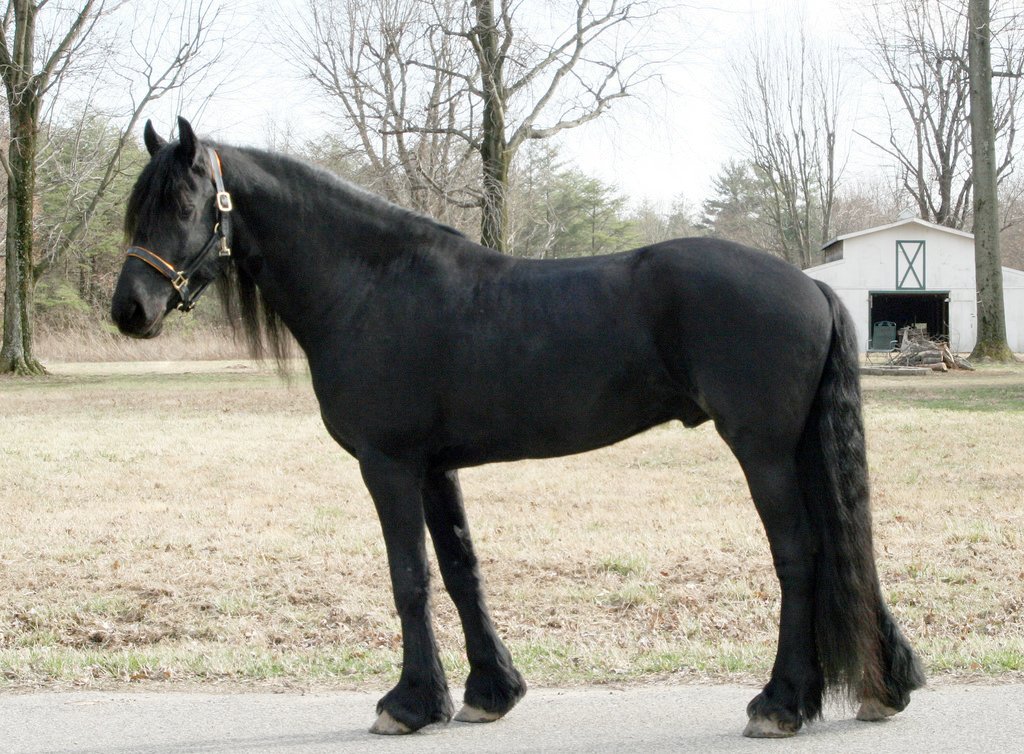
The Friesian horse herd dynamics offer a fascinating glimpse into the complex social lives of one of the world’s most admired equine breeds. Understanding how these horses interact, establish hierarchies, and communicate within their groups is essential for anyone interested in Friesian horses, whether for breeding, training, or simply appreciating their unique behaviors. This article explores the roles, relationships, and social structures that define Friesian herds, providing practical insights for horse owners and enthusiasts.
Friesian horses are renowned for their striking appearance and gentle temperament, but their social intelligence is equally remarkable. Observing their natural group behavior reveals a world of subtle communication, leadership roles, and cooperative strategies that have evolved over centuries. For a broader perspective on this breed’s history and characteristics, you may find the complete guide to Friesian horses especially useful.
The Foundation of Friesian Horse Herd Dynamics
At the heart of every Friesian group is a well-defined social structure. Like most equine breeds, Friesians are herd animals by nature, relying on group living for safety and survival. Their social systems are shaped by instinct, experience, and environmental factors, resulting in a dynamic hierarchy that influences daily interactions.
Within a typical Friesian herd, roles are not assigned randomly. Instead, each horse finds its place through a combination of age, temperament, and social skill. The herd’s structure is fluid, allowing for changes as individuals mature or as new members are introduced. This adaptability is key to the breed’s resilience and harmony within the group.
Key Roles Within the Friesian Herd
Understanding the specific roles in Friesian groups helps explain many of their behaviors. The most prominent positions include:
- Lead Mare: Often the oldest or most experienced female, she guides the herd’s movements and makes decisions about when to graze, rest, or move to new locations.
- Stallion: In natural settings, a dominant stallion protects the group from threats and manages breeding. In domestic herds, geldings or mares may take on leadership if no stallion is present.
- Subordinate Members: These horses follow the guidance of the leaders, forming the bulk of the group. Their position in the pecking order determines access to resources like food and shelter.
- Foals and Youngsters: The youngest members are nurtured and protected by the entire herd, learning social cues and survival skills through observation and play.
These roles are not fixed for life. Horses may move up or down in the hierarchy based on changes in health, age, or group composition. This flexibility helps maintain stability and reduces conflict.
Communication and Social Bonds in Friesian Groups
Effective communication is central to Friesian horse herd dynamics. Horses rely on a combination of body language, vocalizations, and even subtle facial expressions to convey intent and maintain order. For those interested in decoding these signals, the article on equine behavior and communication provides valuable insights.
Some common communication methods include:
- Ear Position: Indicates attention, mood, and intent. Forward ears suggest curiosity, while pinned ears signal irritation or warning.
- Tail Movement: A swishing tail can show agitation or serve as a warning to others.
- Vocalizations: Whinnies, nickers, and snorts each have distinct meanings, from greeting herd mates to alerting of danger.
- Physical Contact: Mutual grooming strengthens social bonds and reduces stress within the group.
These communication tools help Friesians resolve disputes, coordinate movements, and reinforce relationships, ensuring the herd operates smoothly.
Hierarchy and Conflict Resolution Among Friesians
Hierarchy plays a crucial role in maintaining peace and order within Friesian groups. The pecking order is established through a series of interactions, often involving subtle displays of dominance rather than outright aggression. Dominant horses may assert their position by controlling access to food or preferred resting spots, while subordinate horses yield to avoid confrontation.
Disputes do occur, especially when new members are introduced or when young horses challenge established leaders. However, outright violence is rare. Most conflicts are resolved through posturing, chasing, or brief physical contact, after which the hierarchy is reaffirmed. This system minimizes injury and stress, promoting a stable environment for all members.
For more on the myths and realities of Friesian behavior, the article on Friesian horse myths and facts offers additional perspective.
Environmental Influences on Friesian Social Structures
The environment in which Friesians live can significantly influence their group dynamics. In the wild or in large pastures, herds tend to form natural hierarchies with clear leadership. In managed settings, such as breeding farms or stables, human intervention can alter these dynamics by controlling group composition, feeding schedules, and space availability.
Providing ample space and opportunities for social interaction is vital for the well-being of Friesian horses. Overcrowding or isolation can lead to stress, behavioral issues, and weakened social bonds. Owners and caretakers should strive to mimic natural conditions as much as possible, allowing horses to form stable, harmonious groups.
Human Interaction and Management of Friesian Herds
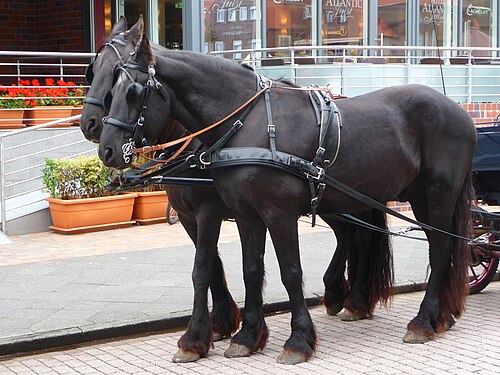
Human involvement can both support and disrupt natural Friesian horse herd dynamics. Responsible management involves understanding the breed’s social needs and respecting established hierarchies. When introducing new horses, it’s best to do so gradually, allowing time for the group to adjust and minimizing stress for all members.
Regular observation helps caretakers identify changes in behavior that may signal health issues or social tension. Providing enrichment, such as varied environments and opportunities for play, also supports healthy group dynamics. For tips on building a stronger bond with your horse, see the guide on how to become a better horse owner.
Historical and Cultural Context of Friesian Herds
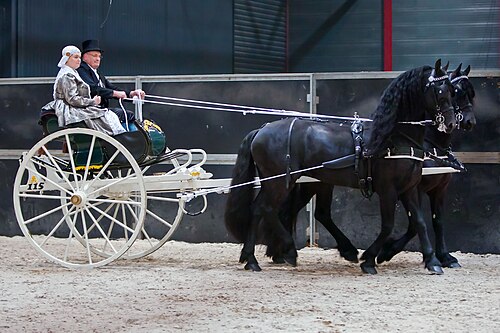
The social structures seen in Friesian groups today have deep historical roots. For centuries, these horses have been bred for cooperation, intelligence, and adaptability—traits that have made them valuable in agriculture, transport, and ceremonial roles. Their ability to function smoothly in groups is a testament to their selective breeding and the importance of herd life in their development.
To learn more about the breed’s origins and evolution, the history of Friesian horses provides a detailed overview of their journey from medieval warhorses to modern companions.
Benefits of Understanding Friesian Group Behavior
Recognizing the nuances of Friesian social structures offers several advantages for owners, trainers, and breeders:
- Improved Welfare: Meeting social needs reduces stress and promotes overall health.
- Effective Training: Understanding herd roles can inform training strategies and foster cooperation.
- Conflict Prevention: Awareness of hierarchy helps prevent injuries and behavioral issues.
- Stronger Human-Horse Bonds: Respecting natural behaviors builds trust and mutual respect.
For those curious about the breed’s unique qualities, the article on interesting facts about Friesian horses highlights trivia and lesser-known traits that set Friesians apart.
Frequently Asked Questions
How do Friesian horses establish their social hierarchy?
Friesian horses determine their hierarchy through a series of interactions involving body language, posturing, and sometimes brief physical contact. The process is usually non-violent, with dominant individuals asserting themselves over time. The hierarchy is dynamic and can change as horses age or as new members join the group.
Can Friesian horses live alone, or do they need a herd?
While Friesians are adaptable, they are naturally social animals and thrive best in groups. Living alone can lead to stress, boredom, and behavioral problems. Providing companionship, either with other horses or suitable animals, is important for their mental and emotional well-being.
What should owners consider when introducing a new horse to a Friesian group?
Introducing a new member should be done gradually. Allow the horses to interact over a fence before sharing space, monitor their behavior closely, and provide plenty of room for movement. Expect some initial displays of dominance as the group re-establishes its hierarchy, but serious aggression is uncommon if introductions are managed carefully.
Are Friesian herd dynamics different from those of other horse breeds?
While the basic principles of herd behavior are similar across horse breeds, Friesians are known for their calm demeanor and strong social bonds. Their group interactions tend to be less aggressive and more cooperative, reflecting their history of selective breeding for temperament and intelligence.
Understanding the intricate social world of Friesian horses not only enriches our appreciation for this remarkable breed but also helps ensure their health, happiness, and harmonious living—whether in the pasture or under human care.