

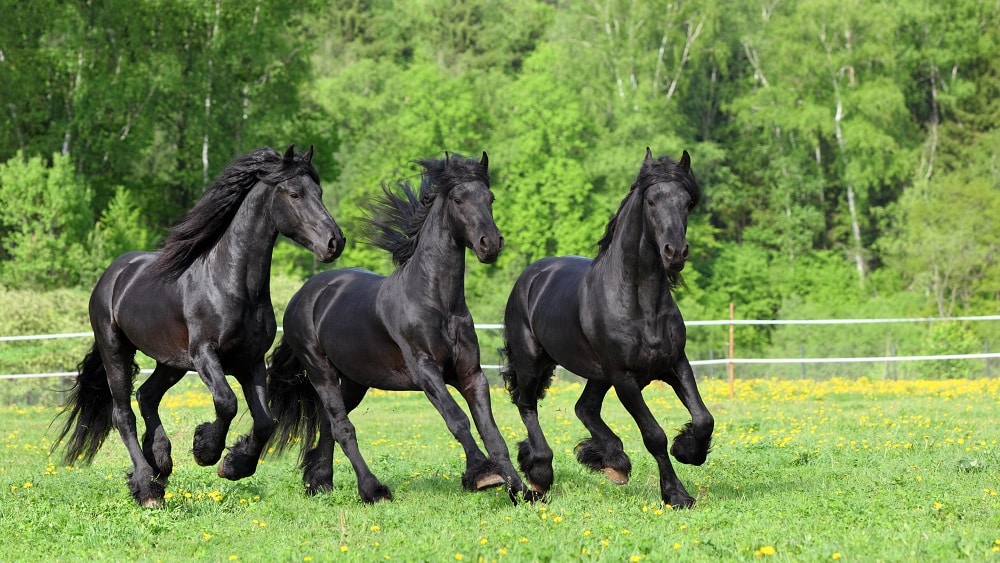
Horses are highly social animals with a complex system of nonverbal cues. Learning to interpret their body language is essential for anyone who works with, rides, or cares for these intelligent creatures. By understanding the subtle ways horses communicate, you can build trust, improve safety, and strengthen your partnership with them. This guide explores the fundamentals of equine behavior and communication, focusing on how to read and respond to the signals horses use every day.
Whether you are a new horse owner, an experienced rider, or simply interested in animal behavior, developing the ability to recognize equine signals is invaluable. Early in your journey, it’s also important to consider safety equipment. For example, knowing how to find the right riding helmet for your head shape can help protect you during groundwork or riding sessions.
Why Understanding Horse Body Language Matters
Horses rely on nonverbal cues to express their feelings, intentions, and needs. Unlike humans, they cannot use words, so their posture, facial expressions, and movements become their primary means of communication. Recognizing these signals allows handlers to:
- Identify signs of discomfort, fear, or pain before they escalate.
- Respond appropriately to a horse’s mood and intentions.
- Prevent accidents by noticing early warning signs.
- Build mutual trust and respect through clear, consistent responses.
Misreading or ignoring a horse’s signals can lead to misunderstandings, stress, or even dangerous situations. By learning the basics of equine behavior and communication, you can create a safer and more rewarding environment for both horse and handler.
Key Elements of Equine Communication
Horses use a combination of body parts and behaviors to convey messages. Some of the most important elements include:
- Ears: The position and movement of a horse’s ears are among the clearest indicators of its focus and mood.
- Eyes: The size, shape, and direction of a horse’s gaze can reveal its emotional state.
- Tail: Tail swishing, clamping, or relaxed movement all have distinct meanings.
- Posture: The way a horse stands, moves, or shifts weight communicates confidence, fear, or submission.
- Facial Expressions: Nostrils, lips, and jaw tension can indicate relaxation, irritation, or anxiety.
By observing these cues together, rather than in isolation, you can gain a more accurate understanding of what a horse is trying to communicate.
Reading Ears, Eyes, and Facial Expressions
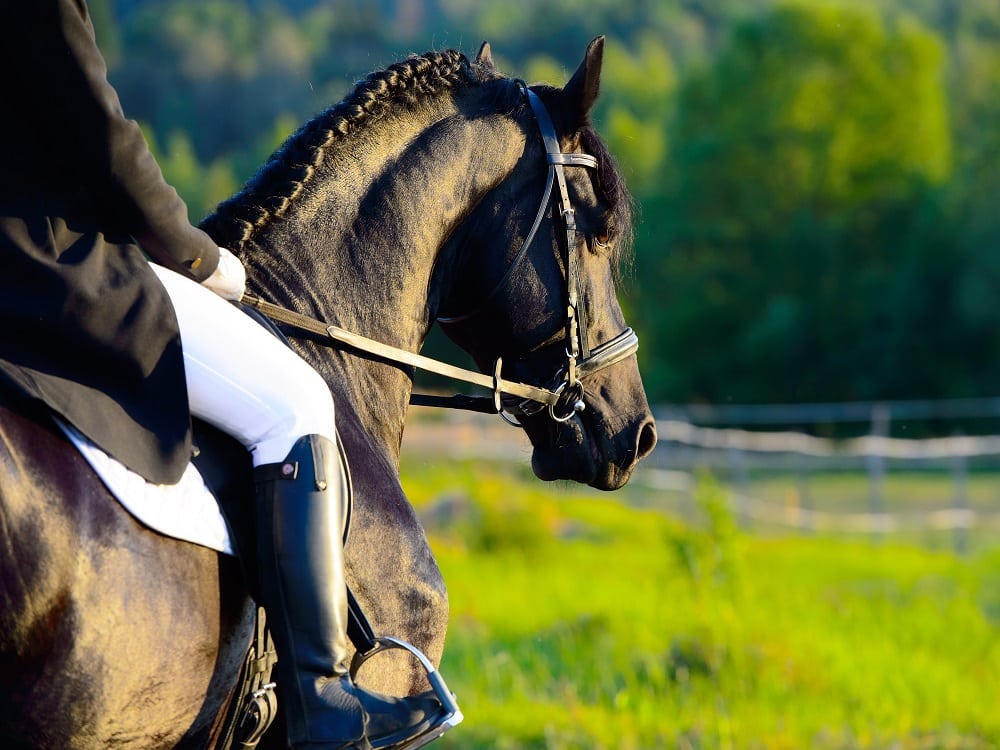
The ears are often the first thing people notice. When a horse’s ears are pricked forward, it is attentive and interested in what’s ahead. Ears pinned flat against the neck signal irritation or aggression. Ears that swivel or move independently show that the horse is monitoring multiple things at once.
Eyes provide additional clues. Wide, open eyes with visible whites may indicate fear or surprise. Soft, half-closed eyes usually mean the horse is relaxed. Watch for tension around the eyes or rapid blinking, as these can be signs of discomfort or anxiety.
Facial expressions, such as flared nostrils, tight lips, or a clenched jaw, often accompany emotional states. For example, a relaxed horse may have drooping lips and a soft muzzle, while a tense horse may purse its lips or grind its teeth.
Posture and Movement in Equine Social Dynamics
Body posture is a powerful indicator of a horse’s confidence and intentions. A horse standing tall with an arched neck and weight evenly distributed is likely feeling confident or curious. If the horse crouches, tucks its tail, or shifts weight back, it may be preparing to flee or is feeling threatened.
Movement also plays a role in equine behavior and communication. For example, a horse that moves away from you may be signaling discomfort or a desire for space. Conversely, a horse that approaches with a relaxed gait is likely feeling friendly and curious.
Observing how horses interact with each other can also provide valuable insights. Dominant horses may use body blocking, nipping, or pinning ears to assert their position, while submissive horses will often lower their head, lick and chew, or move away to show deference.

Common Signals and What They Mean
| Signal | Possible Meaning |
|---|---|
| Ears forward | Interest, curiosity, alertness |
| Ears pinned back | Anger, irritation, warning |
| Tail swishing | Annoyance, fly irritation, agitation |
| Stomping feet | Impatience, irritation, discomfort |
| Licking and chewing | Submission, relaxation after tension |
| Head tossing | Frustration, discomfort, resistance |
| Relaxed posture | Calm, content, comfortable |
| Wide eyes, tense muscles | Fear, anxiety, alertness |
Building Trust Through Effective Interaction
Responding appropriately to a horse’s signals is key to building trust. If a horse shows signs of fear or discomfort, give it space and time to relax. Use calm, consistent movements and avoid sudden gestures that could startle the animal. Positive reinforcement, such as gentle words or a soft touch, helps reinforce good behavior and encourages relaxation.
Regular grooming and handling sessions also foster trust. Using quality grooming tools, like the ones found in the Weaver Grooming Kit, can make these sessions more enjoyable for both you and your horse.
Practical Tips for Observing and Responding to Horses
- Always observe the whole horse, not just one body part, to interpret signals accurately.
- Approach horses calmly and avoid direct eye contact if they seem nervous.
- Give horses time to process your presence, especially if they are unfamiliar with you.
- Watch for changes in body language when introducing new objects, people, or environments.
- Use grooming and handling as opportunities to strengthen your bond and observe subtle cues.
Nutrition and overall health also play a role in how horses behave. For more information on feeding specific breeds, see this guide to Friesian horse nutrition.
Frequently Asked Questions
What does it mean when a horse pins its ears back?
Pinned ears typically indicate irritation, anger, or a warning to others. It’s important to give the horse space and observe for other signs of discomfort or aggression.
How can I tell if my horse is relaxed and happy?
A relaxed horse will have soft eyes, a lowered head, relaxed muscles, and may lick or chew. The tail will hang loosely, and the ears will move gently or rest to the side.
Why is it important to understand equine body language?
Recognizing nonverbal signals helps prevent accidents, improves training outcomes, and strengthens the relationship between horse and handler. It also allows you to address issues before they escalate.
Are there differences in communication between individual horses?
Yes, each horse has its own personality and may use certain signals more than others. Spending time observing your horse will help you learn its unique way of expressing itself.
For more on safety and equipment, you may also want to learn about the impact of age on helmet protective foam and the importance of a secure helmet retention system for riders.