

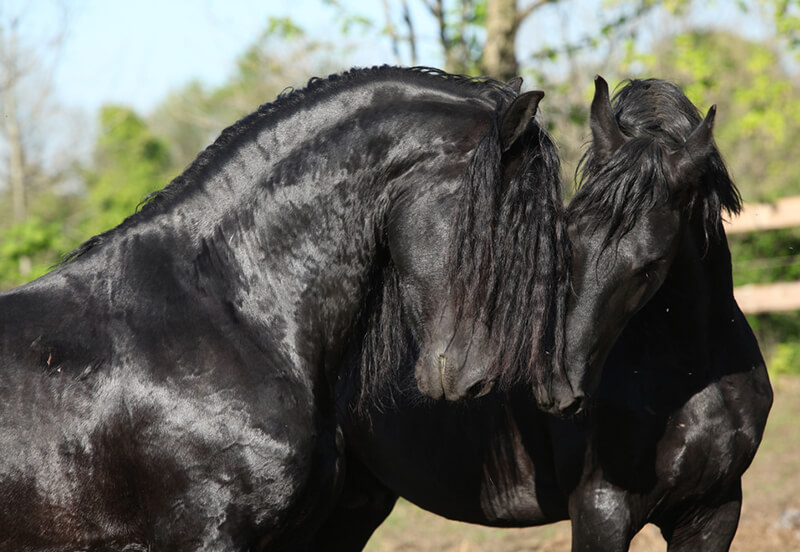
Developing a well-structured horse exercise and fitness guide is essential for any equestrian aiming to improve their horse’s stamina, strength, and overall wellbeing. Whether you’re working with a Friesian, Thoroughbred, or any other breed, a thoughtful approach to conditioning helps prevent injuries and supports long-term health. This article covers practical strategies for building equine endurance safely, including warm-up routines, progressive training, rest, and monitoring your horse’s response to exercise.
Before diving into specific routines, it’s important to understand your horse’s current fitness level, breed characteristics, and any unique needs. For example, Friesian horses are known for their striking appearance and gentle temperament, but their exercise requirements can differ from lighter breeds. If you’re interested in learning more about this breed’s history and care, the complete guide to Friesian horses offers in-depth information.
Understanding Equine Fitness and Endurance
Building endurance in horses involves gradually increasing their capacity to perform sustained physical activity. Endurance is not just about speed or power—it’s about how long your horse can maintain effort without fatigue or risk of injury. A comprehensive horse exercise and fitness guide should address cardiovascular conditioning, muscle strength, flexibility, and mental engagement.
Key factors influencing equine fitness include:
- Age and Health: Young, mature, and senior horses all require different approaches. Always consult your veterinarian before starting a new program.
- Breed Characteristics: Some breeds, like Friesians, may have specific needs or limitations. For more on their unique traits, see these interesting facts about Friesian horses.
- Current Activity Level: Horses with a sedentary lifestyle need a slower progression than those already in light work.
Designing a Safe Conditioning Program
When creating a fitness plan, safety and gradual progression are paramount. Here’s how to structure a program that supports endurance without risking your horse’s health:
1. Start With a Thorough Warm-Up
Every session should begin with 10–15 minutes of walking and slow trotting. This increases blood flow, gently stretches muscles, and prepares joints for more intense activity. Skipping the warm-up can lead to strains or injuries, especially in colder weather or with older horses.
2. Incorporate Interval Training
Alternating between periods of trotting, cantering, and walking helps develop both aerobic and anaerobic capacity. For example, after warming up, try 3–5 minutes of trotting, followed by 2 minutes of walking, and repeat. Over time, gradually increase the duration and intensity as your horse adapts.

3. Vary the Terrain and Activities
Exercising on different surfaces—such as sand, grass, and gentle hills—challenges your horse’s muscles and improves balance. Trail rides, pole work, and even groundwork can keep sessions interesting and mentally stimulating.
4. Schedule Regular Rest and Recovery
Rest days are as important as active days. Muscles need time to repair and strengthen. Plan at least one full rest day per week, and adjust the schedule if your horse shows signs of fatigue or soreness.
Monitoring Progress and Avoiding Overtraining
Tracking your horse’s response to exercise is vital. Watch for signs of improvement, such as increased willingness, better recovery rates, and improved muscle tone. Conversely, be alert for warning signs like reluctance to move, heat or swelling in limbs, or changes in behavior.
To avoid overtraining:
- Increase workload by no more than 10% per week.
- Keep sessions varied and engaging to prevent boredom.
- Listen to your horse—if they seem tired or irritable, scale back and allow extra recovery.
Nutrition and Hydration for Peak Performance
Proper nutrition is a cornerstone of any horse exercise and fitness guide. Horses in training require a balanced diet with adequate forage, vitamins, minerals, and, if needed, additional energy sources. Always provide fresh water before, during, and after exercise. Electrolyte supplements may be beneficial for horses working in hot conditions or sweating heavily.
Grooming and Post-Exercise Care
After workouts, grooming helps remove sweat, dirt, and loose hair while promoting circulation. Using quality products like the Weaver Grooming Kit or Mane ‘n Tail Combo can make this process more effective and enjoyable for both horse and handler. Check legs and hooves for any signs of injury, and use cool water or liniments if needed to reduce inflammation.
Breed-Specific Considerations and Resources
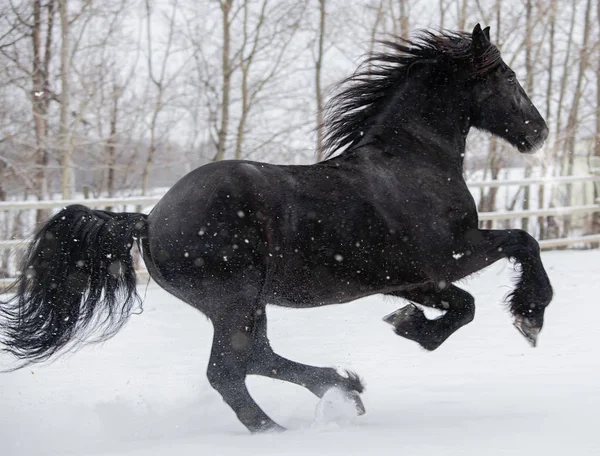
Some breeds, such as Friesians, have unique exercise and care requirements. Their powerful build and calm nature make them suitable for a variety of disciplines, but they may be prone to certain health concerns. For a deeper look at their background and traits, the history of the Friesian horse provides valuable context. Understanding breed-specific needs helps tailor your fitness approach and ensures the best outcomes for your horse.
Additionally, learning about equine behavior and communication can enhance your training sessions by helping you interpret your horse’s signals and adjust your methods accordingly.
Common Mistakes to Avoid in Equine Fitness Routines
- Skipping Warm-Ups or Cool-Downs: Both are crucial for injury prevention and muscle recovery.
- Advancing Too Quickly: Rapid increases in workload can lead to strains or stress injuries.
- Ignoring Mental Health: Horses need variety and positive reinforcement to stay motivated.
- Neglecting Hoof and Leg Care: Regular checks and maintenance are essential, especially after exercise on rough terrain.
FAQ: Equine Exercise and Endurance
How often should I exercise my horse to build endurance?
Most horses benefit from 4–6 days of exercise per week, with a mix of light, moderate, and rest days. The exact schedule depends on age, fitness level, and discipline. Always allow at least one full rest day weekly for recovery.
What are signs that my horse is overworked?
Warning signs include reluctance to move, excessive sweating, rapid breathing that doesn’t normalize quickly, stiffness, swelling, or behavioral changes. If you notice these, reduce intensity and consult your veterinarian.
Can I use groundwork to improve my horse’s fitness?
Yes, groundwork such as lunging, long-lining, and pole exercises can enhance fitness, flexibility, and communication. These activities are especially useful for young horses or those returning from injury.
Conclusion: Building Lasting Equine Fitness
A thoughtful horse exercise and fitness guide is the foundation for a healthy, happy, and high-performing equine partner. By focusing on gradual progression, attentive care, and breed-specific needs, you can help your horse achieve optimal endurance and wellbeing. For more tips on becoming a better owner, check out the how to become a better horse owner resource. Remember, patience and consistency are key—listen to your horse, celebrate progress, and enjoy the journey together.