

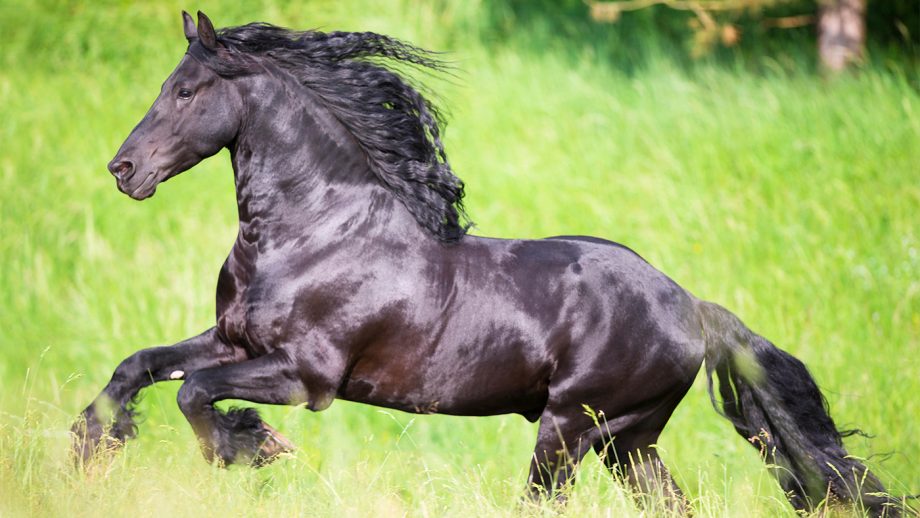
The Friesian horse is one of the most recognizable and admired breeds in the equestrian world. With their striking black coats, flowing manes, and impressive stature, these horses have inspired countless stories and assumptions. However, not everything said about Friesians is accurate. Misconceptions and half-truths often cloud the real characteristics and care requirements of this breed. In this guide, we’ll explore the most common Friesian horse myths and facts, helping you distinguish between rumor and reality.
Whether you’re considering owning a Friesian, already care for one, or simply want to learn more about these majestic animals, understanding the truth behind the breed is essential. We’ll address their temperament, health, abilities, and more, so you can make informed decisions and appreciate Friesians for what they truly are.
For those interested in post-exercise care, our detailed resource on Friesian horse recovery and rest offers practical advice for keeping your horse healthy and comfortable after workouts.
Understanding the Origins: Separating Legend from Truth
Many stories about Friesians stem from their long and storied history. Originating in the Friesland region of the Netherlands, these horses have been depicted in medieval art and were once prized as war horses. Their dramatic appearance has led to a number of exaggerated tales, some of which persist today.
While Friesians have indeed played roles in history and pop culture, it’s important to rely on factual breed information rather than folklore. Let’s examine some of the most persistent beliefs and clarify what’s real and what’s not.
Common Friesian Horse Myths and Facts
Myth 1: Friesians Are Always Jet Black
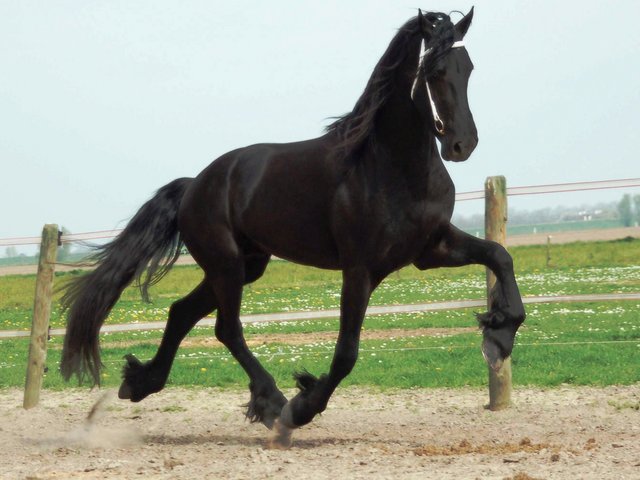
One of the most widespread assumptions is that all Friesians are pure black. While the vast majority of these horses do have a solid black coat, a small number may be born with a star (a white marking on the forehead). However, other colors such as chestnut or bay are not accepted in purebred Friesians by breed registries. The breed standard is strict, but genetic variations do occur. The belief that every Friesian is perfectly black is an exaggeration.
Myth 2: Friesians Are Fragile and Prone to Illness
Another common misconception is that Friesians are delicate and suffer from numerous health problems. While it’s true that the breed is predisposed to certain conditions, such as dwarfism and hydrocephalus, responsible breeding practices have reduced the prevalence of these issues. Like all horses, Friesians require attentive care, but they are not inherently weaker than other breeds. Regular veterinary checkups, proper nutrition, and thoughtful management go a long way in maintaining their health.
For a comprehensive overview of the breed’s health profile, you can read this detailed Friesian horse breed profile from an equine nutrition expert.
Myth 3: Friesians Are Difficult to Train and Handle
Some believe that Friesians are stubborn or hot-tempered, making them challenging for riders and handlers. In reality, Friesians are known for their gentle and willing nature. They are intelligent, eager to please, and often excel in disciplines such as dressage, driving, and pleasure riding. Like any breed, individual temperament varies, but with patient, consistent training, Friesians can be excellent partners for both novice and experienced equestrians.
Physical Characteristics: What Sets Friesians Apart?
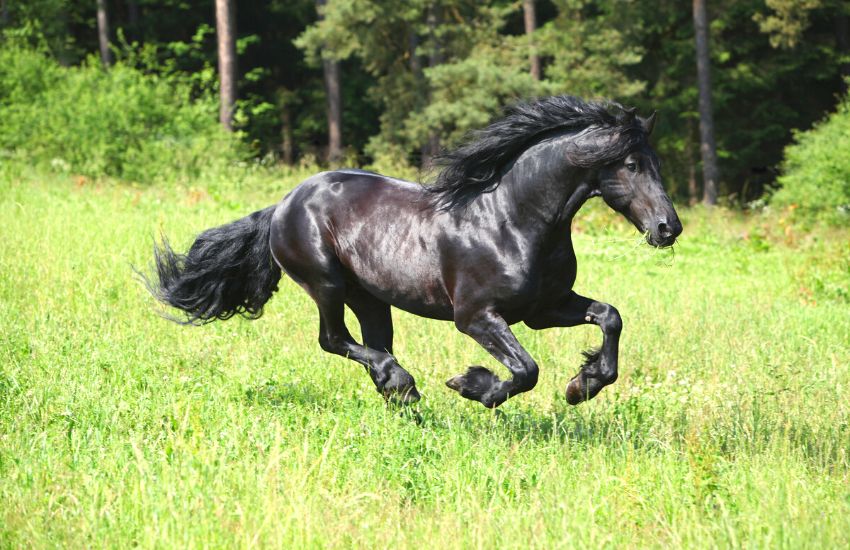
Friesians are instantly recognizable by their luxurious manes and tails, feathered legs, and proud carriage. These features have contributed to their popularity in films and parades. However, their beauty also comes with specific grooming needs. Their thick manes and tails require regular detangling and conditioning to prevent matting, and their feathered legs should be kept clean to avoid skin issues.
Temperament and Suitability for Riders
Friesians are often described as people-oriented and calm. Their willingness to work and affectionate nature make them suitable for a variety of equestrian activities. They are especially popular in dressage due to their expressive movement and natural presence. However, their size and strength mean that beginners should seek guidance from experienced trainers when starting out with this breed.
For those interested in giving Friesians a second chance at a loving home, our article on Friesian horse adoption information provides guidance on finding reputable rescues and sanctuaries.
Performance and Versatility: More Than Just a Pretty Face
While Friesians are often associated with ceremonial and show roles, they are versatile athletes. They can excel in driving, eventing, trail riding, and even therapeutic riding programs. Their powerful build and stamina make them capable of more than just looking beautiful in parades. With the right training and care, Friesians can participate in a wide range of equestrian sports and activities.
Grooming and Care: Addressing Common Misunderstandings
Some believe that Friesians require excessive grooming and are high-maintenance. While their long hair does need attention, a consistent grooming routine can make care manageable. Using quality grooming kits and mane and tail products helps keep their coats healthy and tangle-free. Regular hoof care is also essential, as their feathering can trap moisture and debris, leading to potential skin problems if neglected.
For more information on helmet safety and fit for riders, see our guide on how to find the right riding helmet for your head shape.
Frequently Asked Questions About Friesian Horses
Are Friesian horses suitable for beginners?
Friesians are generally known for their gentle and cooperative temperament, making them a good choice for many riders. However, their size and strength mean that beginners should work with a knowledgeable trainer to ensure safe and effective handling.
Do Friesians have more health problems than other breeds?
While Friesians are predisposed to certain genetic conditions, responsible breeding and proper care can minimize health risks. They are not inherently less healthy than other horse breeds when managed appropriately.
Can Friesians be used for disciplines other than dressage?
Absolutely. Friesians are versatile and can participate in driving, trail riding, eventing, and even therapeutic riding programs. Their athleticism and willingness to work make them suitable for a variety of equestrian sports.
Conclusion: Appreciating Friesians for What They Are
Understanding the real Friesian horse myths and facts allows owners and enthusiasts to better care for and appreciate this remarkable breed. By separating rumor from reality, you can make informed decisions about their care, training, and suitability for different equestrian pursuits. Whether you are drawn to their beauty, history, or versatility, Friesians offer much more than meets the eye when you look beyond the myths.