

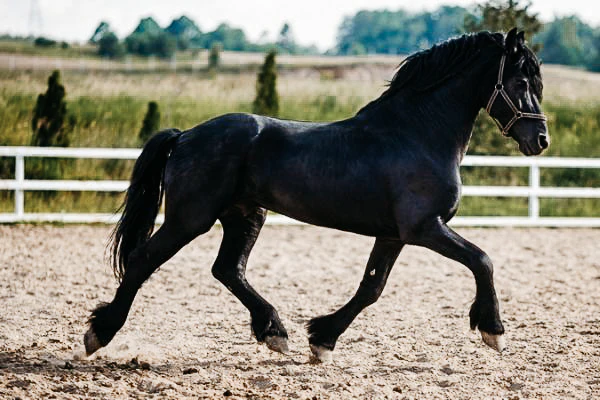
The Friesian horse is one of the most recognizable and admired breeds in the equestrian world. With their striking black coats, flowing manes, and powerful yet elegant movement, Friesians have captivated horse lovers for centuries. Whether you’re considering owning one, already have a Friesian in your stable, or simply want to learn more about this impressive breed, this comprehensive resource covers all the essentials.
From their unique history and physical traits to care, training, and common uses, this complete guide to Friesian horses will help you understand what makes these horses special and how to provide them with the best possible care. If you’re interested in more specialized topics, such as Friesian horse grooming tips or Friesian horse behavior explained, you’ll find helpful resources throughout this article.
Origins and History of Friesian Horses
The Friesian breed traces its roots to the Friesland region of the Netherlands, where it was developed as a versatile and strong horse capable of farm work, carriage driving, and riding. The breed’s ancestry dates back over a thousand years, with influences from both native Dutch horses and imported warhorses. Friesians were highly valued by knights during the Middle Ages for their strength and agility in battle.
Over time, the breed nearly disappeared due to crossbreeding and changing agricultural needs. However, dedicated breeders in the Netherlands preserved the Friesian’s distinct characteristics, leading to the majestic horses we know today. Modern Friesians are celebrated for their beauty, gentle temperament, and versatility in both sport and leisure.
Physical Characteristics and Breed Standards
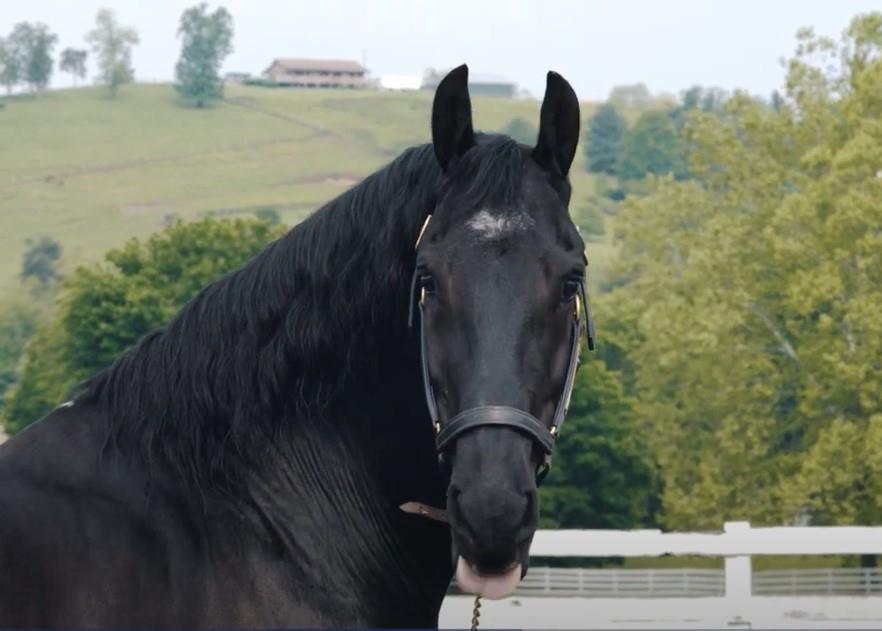
One of the most distinctive features of Friesians is their striking appearance. These horses are almost always black, with a long, thick mane and tail, and feathering on their lower legs. While a small white star on the forehead is permitted, other markings are rare and generally not accepted in breed registries.
- Height: Typically ranges from 15.2 to 17 hands (62 to 68 inches at the withers).
- Build: Strong, compact body with a well-arched neck and expressive head.
- Movement: High-stepping, animated trot and graceful canter, making them popular in dressage and driving.
- Coat and Mane: Jet black coat, luxurious mane and tail, and abundant feathering on the legs.
These features contribute to the Friesian’s reputation as one of the most beautiful horse breeds in the world.
Temperament and Behavior Insights
Friesians are known for their gentle, willing, and intelligent nature. They are often described as people-oriented and eager to please, making them suitable for riders of various experience levels. Their calm demeanor and patience are especially valued in therapeutic riding and family environments.
However, like all horses, Friesians benefit from consistent training and socialization. For a deeper understanding of their behavior and how to build a strong bond, explore Friesian horse behavior explained for practical advice.
Essential Care and Grooming for Friesians
Proper care is crucial to maintaining the health and beauty of Friesian horses. Their thick manes, tails, and feathering require regular grooming to prevent tangles and skin issues. Daily or frequent brushing helps keep their coat shiny and free of debris.
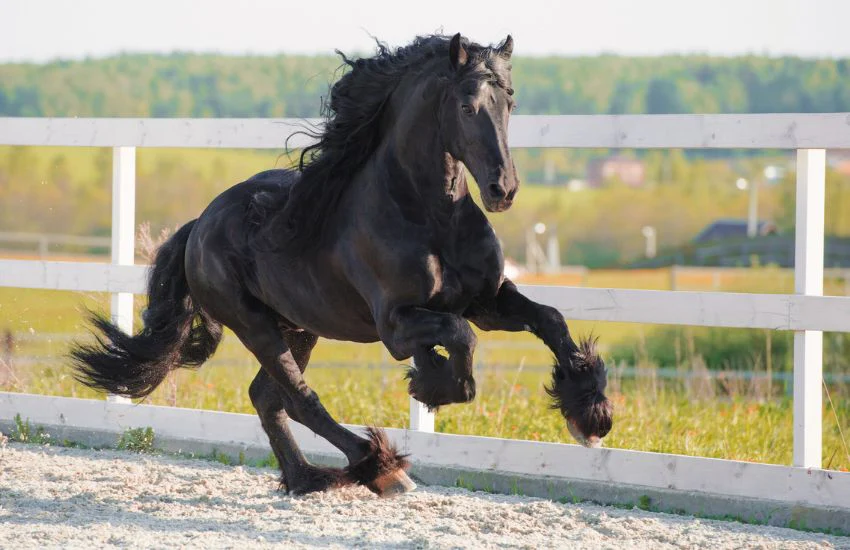
Feathering on the legs can be prone to mud and moisture, so it’s important to keep these areas clean and dry. Regular hoof care is also essential, as Friesians can be susceptible to issues like scratches and thrush. For more in-depth grooming strategies, see Friesian horse grooming tips or check out these professional grooming tips for Friesian horses.
Feeding and Nutrition Guidelines
Friesians have a moderate metabolism and generally do well on a diet of high-quality forage, such as hay or pasture, supplemented with a balanced concentrate if needed. It’s important to monitor their weight, as they can be prone to obesity if overfed or under-exercised. Fresh water, salt, and mineral blocks should always be available.
Due to their size and build, Friesians may require joint support supplements, especially if used for sport or heavy work. Consulting with an equine nutritionist or veterinarian can help tailor a feeding plan to your horse’s specific needs.
Training and Exercise for Friesians
These horses are versatile and excel in a variety of disciplines, including dressage, driving, pleasure riding, and even therapeutic programs. Their intelligence and willingness make them enjoyable to train, but they can sometimes be sensitive or energetic, especially when young.
- Start with basic groundwork and positive reinforcement.
- Incorporate regular exercise to maintain fitness and prevent boredom.
- Introduce new tasks gradually and with patience.
For those interested in post-workout care, Friesian horse recovery and rest offers valuable information on keeping your horse healthy and comfortable after training sessions.
Health Considerations and Common Issues
While generally robust, Friesians can be predisposed to certain health concerns, including:
- Dwarfism and hydrocephalus: Genetic conditions that responsible breeders screen for.
- Feather-related skin problems: Such as scratches or pastern dermatitis, due to their heavy leg hair.
- Digestive issues: Like colic, which can affect any horse but may be managed with proper diet and management.
Regular veterinary checkups, vaccinations, dental care, and parasite control are essential for maintaining your Friesian’s health. Early detection and proactive management are key to preventing and addressing potential issues.
Uses and Disciplines for Friesian Horses
Friesians are highly valued in a range of equestrian activities. Their expressive movement and presence make them stand out in dressage arenas, while their strength and stamina are ideal for carriage driving and exhibitions. They are also featured in films and parades due to their striking looks and calm temperament.
Other popular uses include pleasure riding, trail riding, and even therapeutic programs. Their adaptability and willingness to learn make them suitable partners for both novice and experienced riders.
Adoption and Buying Tips
If you’re considering adding a Friesian to your family, it’s important to work with reputable breeders or adoption organizations. Look for horses registered with recognized breed associations and ask about health screenings and genetic testing. For those interested in rescue or adoption, Friesian horse adoption information can help you find reputable sanctuaries and rescues.
When evaluating a potential horse, consider temperament, training level, health history, and suitability for your intended use. Take time to visit and interact with the horse before making a decision.
Frequently Asked Questions
What makes Friesian horses unique compared to other breeds?
Friesians stand out for their solid black coats, abundant mane and tail, feathered legs, and high-stepping movement. Their gentle nature and versatility in both riding and driving disciplines also set them apart from many other breeds.
How much maintenance do Friesian horses require?
They require regular grooming, especially for their thick manes, tails, and feathering. Daily brushing, routine hoof care, and attention to skin health are essential. Their diet and exercise needs are similar to other large breeds, but their grooming demands are higher.
Are Friesians suitable for beginners?
Many Friesians have calm, people-oriented temperaments, making them suitable for beginners with proper instruction. However, their size and energy may require guidance from experienced trainers, especially for new horse owners.
Conclusion
The Friesian horse is a remarkable breed, cherished for its beauty, intelligence, and versatility. With the right care, training, and attention to health, Friesians can be loyal companions and impressive performers in a variety of equestrian pursuits. Whether you’re an experienced rider or new to the world of horses, learning about this breed will deepen your appreciation for their unique qualities and help you provide the best possible care.