

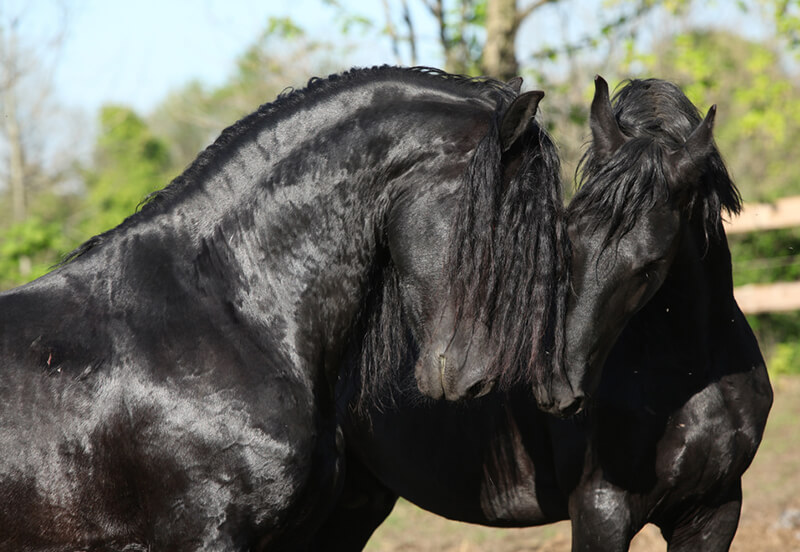
The Friesian horse athletic abilities have fascinated equestrians and enthusiasts for centuries. Known for their striking black coats, flowing manes, and powerful build, Friesians are more than just beautiful—they are versatile athletes. From the elegance of dressage to the precision of carriage driving, these horses excel in a range of disciplines, blending strength, agility, and intelligence. Whether you are a competitive rider, a recreational driver, or simply captivated by this iconic breed, understanding what makes Friesians so capable can help you appreciate their unique place in the equestrian world.
Before diving into their athletic prowess, it’s helpful to explore some interesting facts about Friesian horses and their rich history. Their adaptability and temperament contribute as much to their success as their physical traits. Let’s take a closer look at how Friesians perform across various disciplines and what sets them apart from other breeds.
The Physical Traits Behind Friesian Horse Athletic Abilities
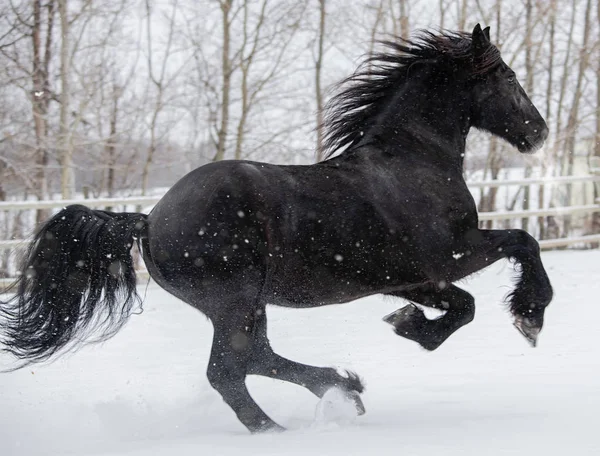
Friesians are instantly recognizable thanks to their muscular build, arched neck, and expressive movement. These physical features are not just for show—they are essential to the breed’s athletic success. The Friesian’s compact yet powerful frame provides a solid foundation for both riding and driving. Their sloping shoulders and strong hindquarters enable them to push off the ground with impressive force, resulting in elevated, graceful gaits.
One of the most notable aspects of Friesian horse athletic abilities is their natural collection. This means they can easily carry themselves in a balanced, rounded frame, which is especially valuable in dressage and other disciplines that require precision and control. Their long, sloping pasterns contribute to smooth movement, while their stamina and willingness make them reliable partners in both competition and leisure activities.
Dressage: Elegance and Precision in Motion
Dressage is often described as the art of horse training, emphasizing harmony, rhythm, and communication between horse and rider. Friesians excel in this discipline due to their expressive movement and natural ability to collect. Their high-stepping trot and balanced canter are particularly well-suited to the demands of dressage tests, where judges look for impulsion, elasticity, and obedience.
While Friesians may not always compete at the very top levels against lighter warmblood breeds, they are popular choices for both amateur and professional riders. Their temperament—willing, intelligent, and eager to please—makes them a joy to train. Many riders appreciate the combination of power and grace that Friesians bring to the arena, as well as their striking appearance under saddle. For those interested in learning more about how horses communicate during training, the article on equine behavior and communication offers valuable insights.

Driving Skills: Power and Precision on the Reins
Friesians have a long history as carriage horses, and their athleticism shines in driving disciplines. Their powerful build, stamina, and calm demeanor make them ideal for pulling carriages, whether in competition or ceremonial settings. In combined driving events, Friesians demonstrate agility, responsiveness, and the ability to maintain speed and accuracy through complex courses.
What sets Friesians apart in driving is their combination of strength and elegance. They can handle heavy loads with ease, yet their movement remains light and expressive. This makes them favorites for both single and team driving. Their reliability and willingness to work also mean they are often chosen for parades, weddings, and other public events where a calm, impressive presence is needed.
Versatility Beyond Dressage and Driving
While dressage and driving are the most common arenas for showcasing Friesian horse athletic abilities, these horses are also capable in other disciplines. Some Friesians participate in show jumping, trail riding, and even western events. Their intelligence and adaptability allow them to learn new skills quickly, and their gentle nature makes them suitable for riders of various experience levels.
It’s important to recognize that Friesians are not just athletes—they are also known for their friendly, people-oriented personalities. This makes them excellent partners for therapeutic riding programs and family activities. For those considering bringing a Friesian into their lives, resources like Friesian horse adoption information can help guide the process.
Training and Care for Optimal Performance
To bring out the best in a Friesian’s athletic potential, proper training and care are essential. These horses benefit from a balanced approach that combines groundwork, conditioning, and discipline-specific exercises. Regular grooming and attention to their luxurious manes and tails are also important, as is a diet tailored to support muscle development and overall health.
Friesians are generally eager learners, but they thrive with patient, consistent handling. Cross-training—incorporating different types of work—can help prevent boredom and keep them mentally and physically fit. After intense workouts or competitions, following a structured Friesian horse recovery and rest routine ensures long-term soundness and well-being.
Heritage and Evolution of Friesian Athleticism
The athletic traits seen in Friesians today are the result of centuries of selective breeding. Originating in the Netherlands, these horses were initially used for both farm work and as war mounts. Over time, breeders emphasized qualities like strength, agility, and a willing temperament, shaping the modern Friesian into a true all-rounder.
For those interested in the breed’s background, the history of the Friesian horse offers a fascinating look at how their athleticism and versatility have been valued worldwide. Today, Friesians continue to impress in arenas, on trails, and in ceremonial roles, maintaining their reputation as one of the most admired horse breeds.
Common Myths and Realities About Friesian Performance
Despite their popularity, there are still misconceptions about what Friesians can and cannot do. Some believe they are only suitable for light work or that their movement is too exaggerated for certain disciplines. In reality, Friesians are capable of much more than many realize. They may require specialized training for high-level jumping or endurance, but their athletic foundation is solid. For more on separating fact from fiction, see Friesian horse myths and facts.
Frequently Asked Questions
Are Friesian horses suitable for beginners?
Friesians are known for their gentle and willing nature, making them a good choice for riders with varying levels of experience. Their intelligence and calm demeanor can help beginners build confidence, though their size and power mean proper instruction and handling are still important.
What disciplines are Friesians best at?
These horses excel in dressage and driving due to their expressive movement and strength. They can also participate in trail riding, low-level jumping, and even western events, showcasing their versatility and adaptability.
How do you care for a Friesian’s mane and tail?
Regular grooming is essential to keep their long, thick manes and tails healthy. Using detangling products and gentle brushes can help prevent breakage. Many owners also braid the mane and tail to protect them during turnout or transport.
Conclusion: Celebrating Friesian Versatility
The athletic abilities of Friesian horses are a testament to their careful breeding, physical attributes, and cooperative temperament. Whether in the dressage arena, hitched to a carriage, or exploring new disciplines, Friesians continue to impress with their combination of power, grace, and adaptability. Their enduring popularity speaks to their unique blend of beauty and athleticism, making them a cherished choice for riders and drivers around the world.