

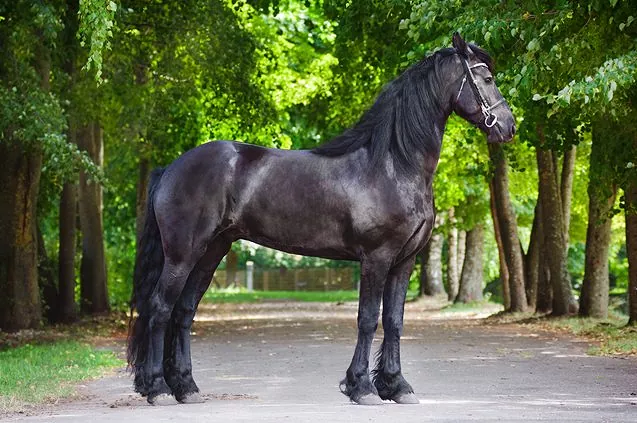
Friesian horses are renowned for their striking appearance, athleticism, and gentle temperament. Whether used for dressage, driving, or pleasure riding, these horses require thoughtful post-exercise care to maintain their health and performance. Proper recovery and rest routines are crucial for preventing injuries, supporting muscle repair, and ensuring long-term well-being. This article offers a comprehensive look at the best practices for supporting Friesian horses after workouts, including cooling down, nutrition, grooming, and rest strategies.
For those interested in equestrian safety, you may also find value in our resource on how to find the right riding helmet for your head shape, which covers helmet fit and comfort for riders of all disciplines.
Understanding the Importance of Recovery for Friesian Horses
After physical exertion, Friesian horses need time to recover both physically and mentally. Their muscular build and energetic nature mean that without adequate rest, they are susceptible to fatigue, soreness, and even long-term injury. A well-structured recovery routine not only helps maintain peak performance but also supports the horse’s immune system and overall happiness.
Key elements of post-workout care include:
- Gradual cool-down to prevent muscle stiffness
- Hydration and balanced nutrition
- Monitoring for signs of fatigue or discomfort
- Proper grooming and hoof care
- Providing a calm, comfortable environment for rest
Effective Cool-Down Techniques for Friesian Horses
One of the most critical steps in Friesian horse recovery and rest is the cool-down phase. This process allows the horse’s heart rate and breathing to return to normal, reduces lactic acid buildup, and minimizes the risk of muscle cramps.
Recommended cool-down steps:
- Walk your horse at a relaxed pace for 10–15 minutes after exercise.
- Gradually reduce intensity rather than stopping abruptly.
- Use a sweat scraper to remove excess moisture and help regulate body temperature.
- In cooler weather, consider a lightweight cooler blanket to prevent chills.
Pay close attention to your Friesian’s breathing and demeanor during this time. If your horse remains agitated or is sweating excessively, extend the cool-down period and ensure access to fresh water.
Nutrition and Hydration After Exercise
Supporting your Friesian’s recovery goes beyond physical care. Nutrition and hydration play a vital role in replenishing energy stores and aiding muscle repair. After a workout, offer your horse clean, fresh water and allow them to drink at their own pace. Electrolyte supplements can be considered during periods of intense training or hot weather but should be used under veterinary guidance.
When it comes to feeding:
- Wait until your horse’s breathing and body temperature have normalized before offering grain or concentrates.
- Provide high-quality forage as the primary source of nutrition.
- Monitor your horse for signs of colic or digestive upset, especially after strenuous activity.
Consult with an equine nutritionist to tailor a diet that supports both performance and recovery, taking into account the unique needs of Friesian horses.
Grooming and Hoof Care for Optimal Recovery
Post-exercise grooming is not just about appearance—it’s an essential part of the recovery and rest process. Grooming helps stimulate circulation, remove sweat and dirt, and provides an opportunity to check for injuries or soreness.
Key grooming steps include:
- Brushing the coat to remove sweat and debris
- Cleaning the mane and tail to prevent tangles and skin irritation
- Inspecting and picking out hooves to remove stones and prevent thrush
- Checking legs for heat, swelling, or cuts
Using quality grooming tools can make this process more effective and enjoyable for both horse and handler. For more tips on Friesian care, you can visit this detailed Friesian horse care guide from a reputable breeder.
Rest and Recovery Environments for Friesians
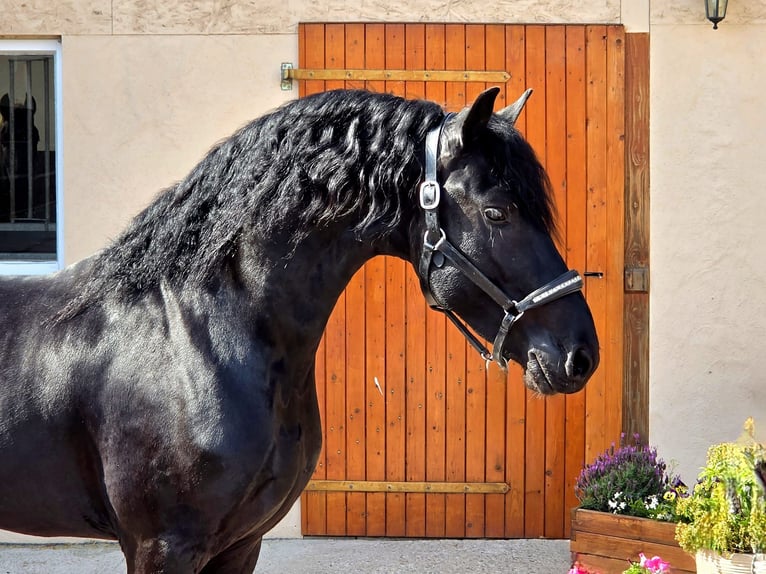
After exercise and grooming, Friesian horses benefit from a calm and comfortable environment to rest. This not only allows their bodies to recover but also helps them relax mentally.
Best practices for a restful environment include:
- Providing a clean, dry stall with adequate bedding
- Ensuring turnout time in a safe paddock for gentle movement and socialization
- Minimizing loud noises and stressful activity around the barn
- Monitoring for signs of discomfort or restlessness
Remember, every horse is an individual. Some Friesians may prefer more turnout time, while others recover best with quiet stall rest. Adjust your routine based on your horse’s personality and needs.
Monitoring Health and Recognizing Signs of Fatigue
Consistent monitoring is key to effective Friesian horse recovery and rest. After workouts, check your horse for:
- Persistent sweating or rapid breathing
- Stiffness, lameness, or reluctance to move
- Loss of appetite or changes in drinking habits
- Swelling, heat, or sensitivity in legs and joints
If you notice any of these signs, consult your veterinarian promptly. Early intervention can prevent minor issues from becoming serious health problems.
For more on equestrian safety and gear, you may also want to read about the importance of a secure helmet retention system for riders.
Frequently Asked Questions
How long should a Friesian horse rest after intense exercise?
After a strenuous workout, most Friesian horses benefit from at least 24 hours of lighter activity or rest. This allows muscles to recover and helps prevent overuse injuries. Adjust rest periods based on your horse’s fitness level and workload.
What are the signs that my Friesian needs more recovery time?
Watch for signs such as persistent fatigue, muscle soreness, reluctance to move, or changes in behavior. If your horse seems less enthusiastic about exercise or shows any physical discomfort, increase rest periods and consult your veterinarian if concerns persist.
Are there specific products that help with Friesian horse recovery?
Quality grooming kits, cooling blankets, and electrolyte supplements can support recovery. Always choose products designed for equine use and consult with professionals for recommendations tailored to your horse’s needs.
Conclusion
Supporting your Friesian’s recovery and rest after exercise is essential for their health, performance, and happiness. By implementing effective cool-down routines, providing balanced nutrition, practicing diligent grooming, and ensuring a restful environment, you help your horse thrive both in and out of the arena. For more in-depth guidance on Friesian care, consult with equine professionals and explore reputable resources to stay informed about best practices.