

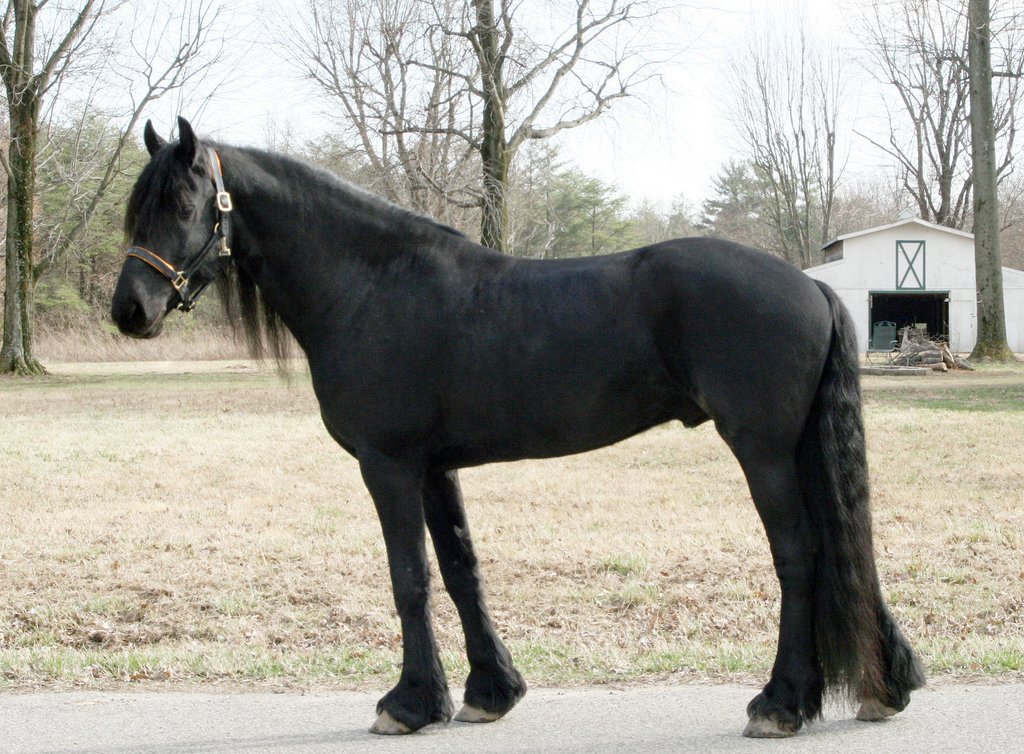
Welcoming a Friesian horse into your life is an exciting and rewarding experience. These majestic horses are known for their striking appearance, gentle temperament, and versatility in both riding and driving. However, caring for a Friesian comes with unique considerations, especially for those new to horse ownership. This guide offers practical advice and essential tips to help you start your journey as a responsible Friesian owner.
Before diving into daily care routines and training, it’s helpful to understand the breed’s background and characteristics. Friesians are admired for their black coats, flowing manes, and powerful presence. Their history stretches back centuries, making them one of the most recognizable horse breeds in the world. If you’re interested in learning more about their origins and unique traits, you might enjoy reading these interesting facts about Friesian horses.
Understanding Friesian Temperament and Needs
Friesians are often described as gentle, intelligent, and eager to please. Their calm demeanor makes them suitable for riders of various skill levels, but they do require consistent handling and attention. As a new owner, it’s important to establish trust and clear communication with your horse from the start.
Building a strong bond is easier when you understand equine behavior and communication. Friesians respond well to positive reinforcement and clear cues. Spend time observing your horse, learning their body language, and responding appropriately to their signals. This foundation will make training and daily interactions smoother and more enjoyable.
Essential Care for Friesians: Grooming, Feeding, and Health
Proper care is crucial for maintaining your Friesian’s health and beauty. Their long, thick manes and tails require regular grooming to prevent tangles and mats. Investing in quality grooming tools and products will make this task easier and more effective.
- Grooming: Brush your horse daily, paying special attention to the mane, tail, and feathered legs. Use detanglers and conditioners to keep the hair smooth and manageable. Regular grooming also helps you spot skin issues or injuries early.
- Feeding: Friesians have a slower metabolism compared to some other breeds. Provide high-quality hay, fresh water, and a balanced diet tailored to their needs. Avoid overfeeding grains, as this can lead to weight gain and metabolic issues.
- Health Checks: Schedule routine veterinary visits, dental care, and farrier appointments. Monitor your horse for signs of discomfort, lameness, or illness. Preventative care is key to a long, healthy life.
For a comprehensive grooming routine, consider using specialized kits and products designed for horses with long manes and tails.
Stable Management and Environment
Creating a safe and comfortable environment is essential for your Friesian’s well-being. These horses thrive in clean, well-ventilated stables with ample turnout time. Regular exercise and social interaction are important for their mental and physical health.
- Stabling: Provide a spacious stall with soft bedding. Clean the stall daily to reduce the risk of respiratory issues and hoof problems.
- Turnout: Allow your horse plenty of time outdoors. Friesians enjoy grazing and benefit from movement in a secure paddock or pasture.
- Companionship: While Friesians can be independent, they are social animals. If possible, provide them with equine companions to prevent loneliness and boredom.
Pay attention to weather conditions, as Friesians can be sensitive to extreme heat due to their thick coats. Provide shade and fresh water during hot weather, and ensure adequate shelter in winter months.
Training and Exercise for Friesian Horses
Consistent training and exercise are vital for keeping your Friesian healthy and engaged. These horses excel in various disciplines, including dressage, driving, and pleasure riding. As a beginner, start with basic groundwork and gradually introduce new activities.
- Groundwork: Establish respect and trust through leading, lunging, and basic commands. This lays the foundation for more advanced training.
- Riding: Friesians are known for their smooth gaits and willingness to learn. Work with an experienced trainer if you’re new to riding or working with this breed.
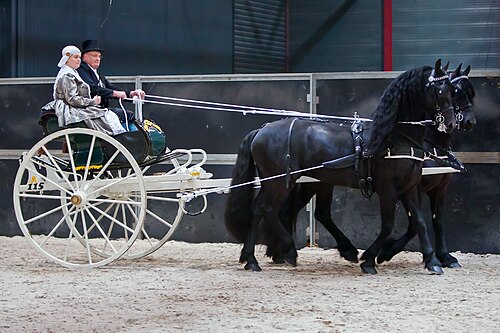
- Driving: Many Friesians are trained for carriage driving. If you’re interested in this discipline, seek guidance from professionals to ensure safety and proper technique.
Remember to adjust your training sessions based on your horse’s fitness level and temperament. Overworking a young or inexperienced Friesian can lead to injuries or behavioral issues.
Common Challenges for New Friesian Owners
While Friesians are generally healthy and adaptable, new owners may encounter a few common challenges. Being prepared for these issues will help you provide the best care possible.
- Mane and Tail Maintenance: The breed’s luxurious hair can become tangled or matted if not groomed regularly. Dedicate time each week to detangle and condition the mane and tail.
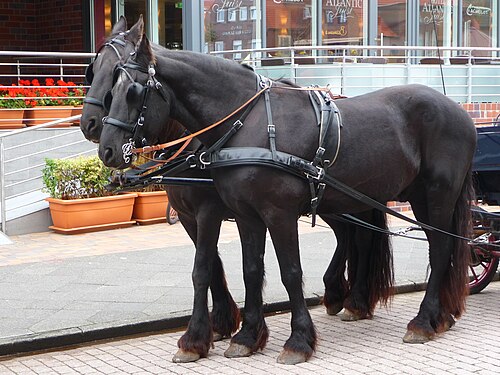
- Feathered Legs: The long hair on their lower legs, known as “feathers,” can trap moisture and debris, leading to skin infections. Keep the feathers clean and dry, and check for signs of irritation.
- Weight Management: Friesians are prone to weight gain. Monitor their diet and exercise to prevent obesity and related health problems.
- Heat Sensitivity: Due to their thick coats, Friesians may struggle in hot climates. Provide shade, ventilation, and plenty of water during warm weather.
For more on separating fact from fiction about this breed, see this resource on Friesian horse myths and facts.
Resources and Community Support
Connecting with other Friesian owners and equine professionals can make your journey smoother. Join local or online groups to share experiences, ask questions, and find support. Attending clinics and events is also a great way to learn more about the breed and improve your skills.
For those interested in the breed’s history and development, the Friesian Horse Society’s history page offers detailed information about their origins and evolution.
If you ever need to provide extra care after exercise or illness, check out this Friesian horse recovery and rest guide for post-workout tips.
Frequently Asked Questions
What makes Friesian horses different from other breeds?
Friesians are known for their solid black coats, long flowing manes, feathered legs, and powerful build. Their gentle temperament and versatility set them apart, making them popular for both riding and driving disciplines.
How much grooming does a Friesian require?
Due to their long hair and feathers, Friesians need daily grooming to prevent mats and skin issues. Regular brushing, detangling, and washing are essential, especially for show horses or those kept in muddy environments.
Are Friesians suitable for beginners?
Many Friesians have calm, trainable personalities, making them a good choice for new owners who are committed to learning proper care and handling. Working with an experienced trainer or mentor is recommended for those new to horses.
Where can I find Friesian horses for adoption?
If you’re considering adoption, explore reputable rescues and sanctuaries. This Friesian horse adoption information page provides guidance on finding available horses and understanding the adoption process.
Conclusion
Becoming a Friesian owner is a rewarding commitment that requires knowledge, patience, and daily care. By understanding the breed’s unique needs, investing in proper grooming and nutrition, and building a strong relationship with your horse, you’ll set the stage for a fulfilling partnership. Stay connected with the Friesian community, continue learning, and enjoy every moment with your remarkable companion.