

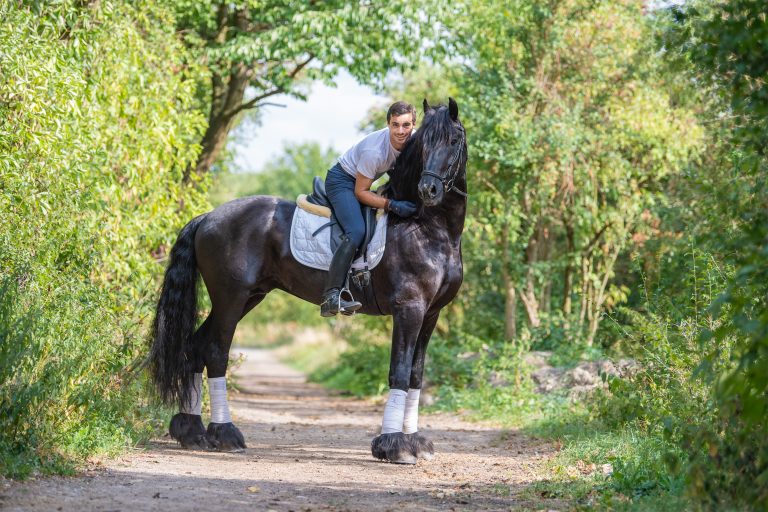
The Friesian horse is renowned for its striking appearance, gentle temperament, and centuries-old lineage. Understanding the Friesian horse bloodlines explained is essential for breeders, enthusiasts, and anyone interested in the breed’s unique qualities. The breed’s history is intertwined with careful selection, resulting in distinct family lines and a genetic heritage that shapes today’s Friesians.
In this article, we’ll break down the main bloodlines, explore their genetic significance, and discuss how these factors influence modern breeding and ownership. Whether you’re considering responsible breeding, looking to adopt, or simply fascinated by Friesian horses, a solid grasp of their lineage is invaluable. For more on their unique characteristics, you might also enjoy these interesting facts about Friesian horses.
The Origins and Development of Friesian Lineage
The Friesian breed traces its roots to Friesland, a province in the northern Netherlands. Over centuries, Friesians were shaped by selective breeding, with an emphasis on strength, elegance, and a calm disposition. The breed nearly vanished in the late 19th century due to crossbreeding with other horses, but dedicated breeders revived the population by focusing on purebred lines.
Today, the Friesian registry is among the strictest in the world, ensuring that only horses meeting precise standards are recognized. This rigorous approach has preserved the breed’s iconic look and personality, while also maintaining genetic health and diversity.
Main Family Lines: The Pillars of Friesian Heritage
To have Friesian horse bloodlines explained thoroughly, it’s important to understand the three foundational sire lines: Age, Ritske, and Tetman. These lines, named after influential stallions from the late 19th and early 20th centuries, form the backbone of modern Friesian pedigrees.
- Age Line: Known for producing horses with robust frames and expressive movement. Descendants are often favored in both driving and dressage disciplines.
- Ritske Line: This line is prized for its refinement and elegance. Horses from this lineage tend to have a lighter build and are highly sought after for their versatility.
- Tetman Line: Recognized for stamina and a strong work ethic, Tetman descendants are valued for their reliability and balanced temperaments.
While these three lines dominate, the breed’s registry also tracks maternal lines, known as mare families. Each family is assigned a unique number, and breeders often seek to preserve these maternal lines to maintain genetic diversity and desirable traits.
Genetic Considerations in Friesian Breeding
Genetics play a vital role in the health and sustainability of the Friesian breed. Because the population is relatively small and closely related, breeders must pay close attention to inbreeding coefficients and hereditary conditions. The breed is known for its purity, but this can also make it more susceptible to genetic disorders if not managed responsibly.
Common genetic concerns in Friesians include:
- Dwarfism: A recessive gene that can result in foals with disproportionately short limbs and other health issues.
- Hydrocephalus: Another recessive condition where fluid accumulates in the brain, potentially leading to fatal outcomes in foals.
- Megaesophagus: A disorder affecting the esophagus, which can cause difficulty swallowing and lead to severe complications.
To minimize these risks, reputable breeders utilize genetic testing and carefully review pedigrees before pairing horses. This approach helps maintain the breed’s integrity and ensures the continued health of future generations. For those interested in responsible breeding, see our guide on breeding Friesian horses responsibly.
Understanding Registration and Studbooks
The Friesian horse registry, known as the Koninklijke Vereniging “Het Friesch Paarden-Stamboek” (KFPS), is the oldest studbook for this breed. Registration is strict, with horses required to meet conformation, movement, and pedigree standards. Only approved stallions and mares are allowed to contribute to the official studbook, ensuring the preservation of key traits and the breed’s high standards.
Horses are evaluated at keuring (inspection) events, where judges assess their suitability for breeding. The studbook is divided into several sections, including:
- Main Studbook: For purebred Friesians meeting all criteria.
- B-Book: For horses with partial Friesian ancestry or those not meeting all requirements, but still valuable for certain breeding programs.
Maintaining accurate records and adhering to studbook guidelines is essential for anyone involved in Friesian breeding or ownership.
How Bloodlines Influence Temperament and Performance
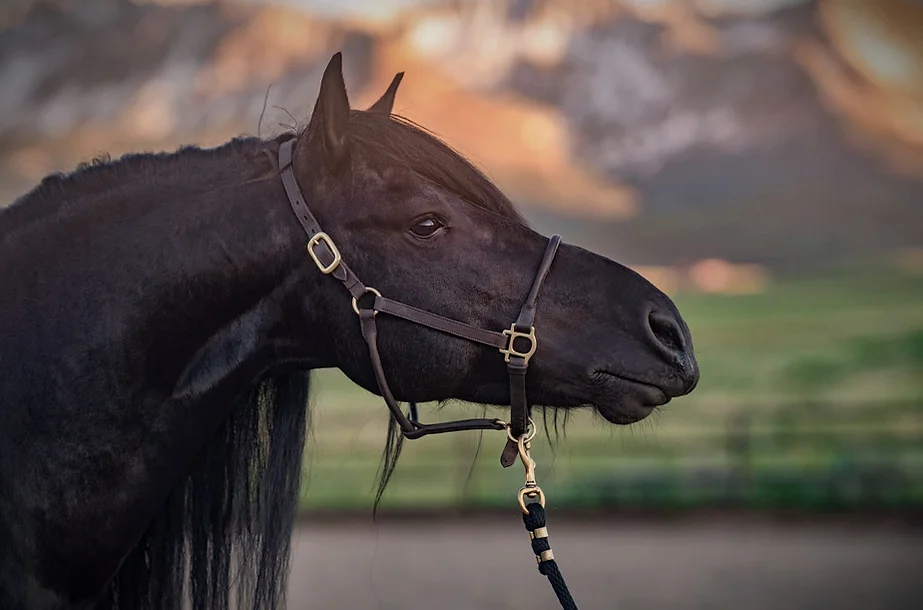
Bloodlines are not just about appearance—they also impact temperament, athletic ability, and suitability for different disciplines. For example, horses from the Age line are often chosen for their power and presence in harness, while Ritske descendants may excel in dressage due to their grace and flexibility.
Understanding these nuances helps owners and riders select horses that match their goals, whether for competition, leisure, or breeding. It also allows for more targeted training and care, maximizing each horse’s potential. For insights into post-workout care, see our resource on Friesian horse recovery and rest.
Preserving Genetic Diversity for the Future
As the Friesian breed continues to gain popularity worldwide, maintaining genetic diversity remains a top priority. Breeders work closely with registries to avoid excessive inbreeding and to introduce new lines when possible. This careful stewardship ensures that Friesians remain healthy, resilient, and true to their heritage.
Some breeders also participate in crossbreeding programs to create Friesian Sport Horses, blending Friesian traits with those of other breeds for enhanced athleticism and versatility. For more on the competitive potential and appeal of these horses, see this in-depth look at Friesian Sport Horses’ beauty and competition potential.
Frequently Asked Questions
What are the main sire lines in Friesian horses?
The primary sire lines are Age, Ritske, and Tetman. Each line is named after a foundational stallion and is associated with specific traits such as strength, elegance, or stamina.
Why is genetic testing important in Friesian breeding?
Genetic testing helps breeders identify carriers of hereditary conditions like dwarfism and hydrocephalus. By testing and planning matings carefully, breeders can reduce the risk of genetic disorders and maintain the breed’s health.
How do Friesian bloodlines affect a horse’s suitability for different disciplines?
Different family lines influence traits such as movement, temperament, and build. For example, some lines are better suited for dressage, while others excel in driving or leisure riding. Knowing a horse’s lineage can help match it to the right activities and training approaches.
Where can I learn more about Friesian horse behavior?
For an in-depth understanding of how Friesians communicate and interact, visit our article on equine behavior and communication.
Conclusion
Understanding the intricacies of Friesian horse bloodlines explained is key to appreciating the breed’s history, health, and future. From the foundational sire lines to modern genetic management, each aspect plays a role in shaping these magnificent horses. Whether you’re a breeder, rider, or admirer, knowledge of lineage and genetics will deepen your connection to the Friesian and support the breed’s continued success.