

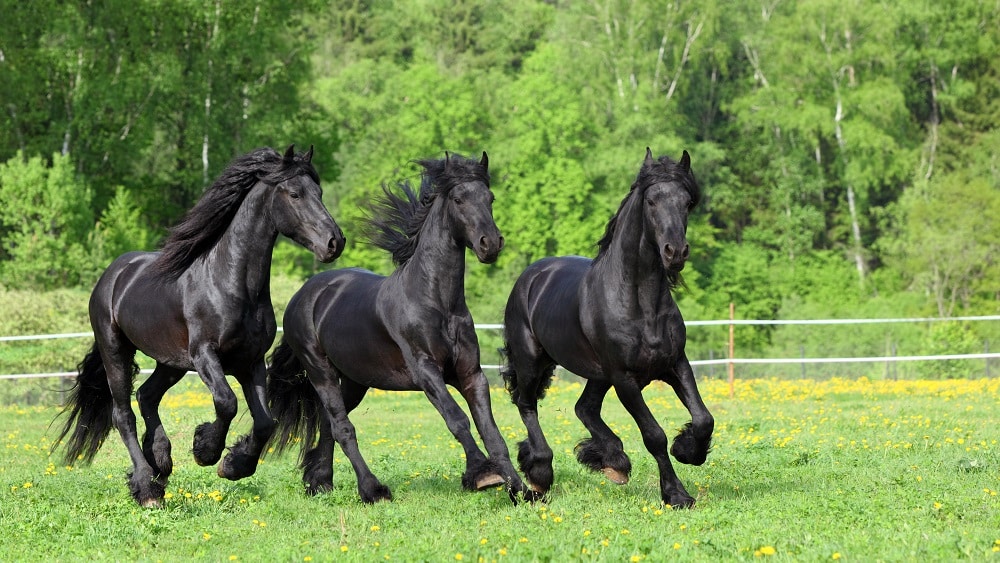
Friesian horses are admired for their striking appearance, gentle temperament, and versatility. To ensure these magnificent animals remain healthy and thrive, a proactive approach to their well-being is essential. Preventive health care for Friesians involves more than just routine checkups; it encompasses vaccinations, regular health routines, and a keen understanding of their unique needs. By staying ahead of potential health issues, owners can help their Friesians enjoy long, active lives.
Understanding the best practices for Friesian health management is crucial, especially since this breed can be prone to certain conditions. Early intervention and consistent routines are key to minimizing risks and maximizing quality of life. This guide covers the essentials of vaccinations, daily care, and the routines that set Friesians up for success.
For those interested in learning more about the breed’s unique characteristics, interesting facts about Friesian horses can provide valuable context and deepen your understanding of their care requirements.
Why Preventive Health Care Matters for Friesians
Taking a proactive stance on health is especially important for Friesians due to their genetic predispositions and sensitivities. Regular preventive measures help identify issues before they become serious, reducing the risk of costly treatments and improving overall well-being. Some common health concerns in Friesians include metabolic issues, skin conditions, and feather-related infections, making vigilance even more critical.
By establishing a consistent care schedule, owners can address potential problems early and ensure their horses remain comfortable and active. Preventive health care also supports Friesians’ ability to perform in various disciplines, from dressage to driving, by keeping them in optimal condition.
Essential Vaccinations for Friesians
Vaccines are a cornerstone of preventive health care for Friesians. Immunizations protect against infectious diseases that can spread rapidly in equine populations. While core vaccines are recommended for all horses, Friesians may benefit from additional immunizations depending on their environment and exposure risks.
Core Vaccines
- Tetanus: Protects against the potentially fatal effects of Clostridium tetani bacteria, which can enter through wounds.
- Equine Influenza: Prevents a highly contagious respiratory disease that can cause fever, coughing, and lethargy.
- Eastern/Western Equine Encephalomyelitis (EEE/WEE): Guards against mosquito-borne viruses that affect the nervous system.
- West Nile Virus: Another mosquito-borne illness that can lead to neurological symptoms and even death.
- Rabies: Protects both horses and humans from a fatal viral infection transmitted by bites from infected animals.
Risk-Based Vaccines
Depending on location, travel, and exposure, Friesians may also require:
- Strangles: For horses in boarding facilities or those that travel frequently.
- Equine Herpesvirus (EHV): Especially important for breeding stock and horses exposed to large groups.
- Potomac Horse Fever: For horses in endemic areas or those with access to natural water sources.
Consulting a veterinarian is the best way to determine the appropriate vaccination schedule for your Friesian. Annual boosters are typical, but some vaccines may require more frequent administration based on risk factors.
Routine Health Care Practices for Friesians
Beyond vaccinations, a comprehensive care routine is vital for Friesians’ health. These routines should address their unique needs and help prevent common issues associated with the breed.
Hoof and Leg Care
Friesians are known for their feathered legs, which require diligent maintenance to prevent skin infections and mites. Regular cleaning and drying of the feathers, along with routine farrier visits every 6–8 weeks, help maintain hoof integrity and overall comfort.
Grooming and Skin Health
Daily grooming removes dirt, debris, and loose hair, reducing the risk of skin irritations and infections. Pay special attention to the mane, tail, and feathers, as these areas are prone to tangling and can harbor moisture. Using quality grooming products and tools can make this process easier and more effective.
Dental and Parasite Management
Annual dental checkups are crucial for Friesians, as dental issues can affect nutrition and performance. Deworming schedules should be tailored to the individual horse, with fecal egg counts guiding the frequency and type of dewormers used.
Nutrition and Weight Monitoring
Maintaining a balanced diet is fundamental to preventive care. Friesians can be prone to metabolic issues, so monitoring body condition and adjusting feed as needed is important. For more details on optimal feeding strategies, consider reviewing nutrition for Friesians to ensure your horse receives the right nutrients.
Establishing a Preventive Health Schedule
Consistency is key when it comes to preventive health care for Friesians. Developing a written schedule helps ensure that vaccinations, deworming, dental care, and farrier visits are not overlooked. Many owners find it helpful to keep a calendar or use an equine health app to track appointments and reminders.
- Vaccinations: Annual or biannual, as recommended by your veterinarian.
- Dental Exams: At least once per year.
- Hoof Trimming: Every 6–8 weeks.
- Deworming: Based on fecal egg counts and veterinary guidance.
- Grooming: Daily, with extra focus on feathers and skin folds.
Regularly reviewing and updating your horse’s health plan ensures that nothing is missed and allows you to adapt to changing needs as your Friesian ages or as circumstances evolve.

Recognizing Early Signs of Health Issues
Early detection is a critical part of any preventive health care routine for Friesians. Owners should be familiar with normal behavior, appetite, and appearance so that subtle changes can be addressed quickly. Signs to watch for include:
- Unusual swelling or heat in the legs or hooves
- Changes in appetite or water consumption
- Persistent coughing, nasal discharge, or labored breathing
- Skin lesions, excessive scratching, or hair loss
- Lethargy or reluctance to move
If any of these symptoms are observed, prompt consultation with a veterinarian is recommended. Early intervention can prevent minor issues from escalating into major health problems.
Supporting Friesian Well-Being Beyond Medical Care
While medical routines are essential, overall well-being also depends on mental stimulation, socialization, and appropriate exercise. Friesians thrive when given regular turnout, opportunities for gentle work, and positive interactions with humans and other horses. Understanding equine behavior and communication can help owners build stronger bonds and spot subtle signs of discomfort or stress.
Additionally, after intense activity or training, proper recovery practices are important. For guidance on post-exercise routines, see tips on Friesian horse recovery and rest to support your horse’s ongoing health.
Frequently Asked Questions
How often should Friesians receive vaccinations?
Most Friesians benefit from annual core vaccinations, but some risk-based vaccines may require more frequent boosters. Your veterinarian can tailor a schedule based on your horse’s lifestyle and exposure risks.
What grooming practices are most important for Friesians?
Daily grooming is crucial, with special attention to the mane, tail, and feathered legs. Keeping these areas clean and dry helps prevent skin infections and tangling. Using appropriate grooming products can make maintenance easier and more effective.
Are Friesians more prone to certain health issues?
Yes, Friesians can be susceptible to metabolic disorders, skin conditions, and feather-related infections. Preventive routines, including proper nutrition, regular health checks, and diligent grooming, help manage these risks.
How can I ensure my Friesian’s diet supports preventive health?
Monitor body condition regularly and consult with an equine nutritionist or veterinarian to create a balanced feeding plan. For more details, review resources on nutrition for Friesians.
Conclusion
Proactive care is the foundation of a healthy, happy Friesian. By prioritizing vaccinations, establishing consistent routines, and staying alert to early signs of trouble, owners can help their horses enjoy vibrant lives. Remember, preventive health care is an ongoing commitment—one that pays dividends in the longevity and well-being of these remarkable horses.