

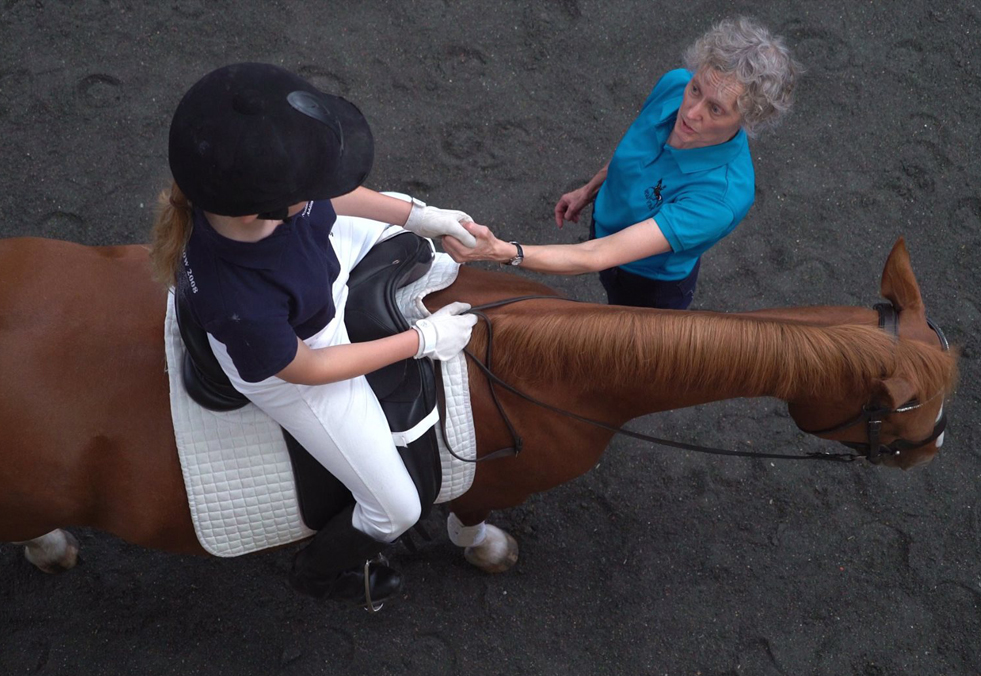
Success in dressage depends on more than just physical conditioning and technical skill. The mental state of the horse is a crucial factor that can determine progress, enjoyment, and performance in the arena. Riders and trainers who prioritize preparing horse mentally for dressage often see more consistent results and a happier, more willing equine partner. This guide explores practical strategies for fostering focus, confidence, and relaxation in your horse, setting the foundation for a rewarding dressage journey.
Before diving into mental preparation techniques, it’s important to remember that safety and comfort for both horse and rider play a significant role in building trust. For example, understanding how to choose a helmet for eventing can help riders feel secure and focused, which in turn positively affects the horse’s mindset.
Understanding the Importance of Mental Readiness in Dressage
Dressage is not just a test of athleticism; it’s a discipline that asks for harmony between horse and rider. A horse that is mentally prepared will be more receptive to cues, less likely to spook, and able to maintain focus even in challenging environments. Mental readiness involves reducing anxiety, building trust, and encouraging a positive attitude toward learning.
Horses are sensitive animals that quickly pick up on their rider’s emotions. If the rider is tense or distracted, the horse may become unsettled. By cultivating a calm and encouraging atmosphere, you help your horse feel safe and ready to engage with the training process.
Building Trust and Confidence from the Ground Up
The foundation of mental preparation for dressage starts long before entering the arena. Groundwork exercises are invaluable for establishing communication and trust. Simple activities such as leading, yielding to pressure, and desensitization to new objects can help your horse become more confident and attentive.
- Consistency: Work with your horse regularly, using clear and consistent cues.
- Patience: Allow your horse time to process and respond, avoiding rushed sessions.
- Positive Reinforcement: Reward calm, attentive behavior with praise or treats.
These early steps lay the groundwork for a horse that is willing to try new things and less likely to become overwhelmed by novel experiences.
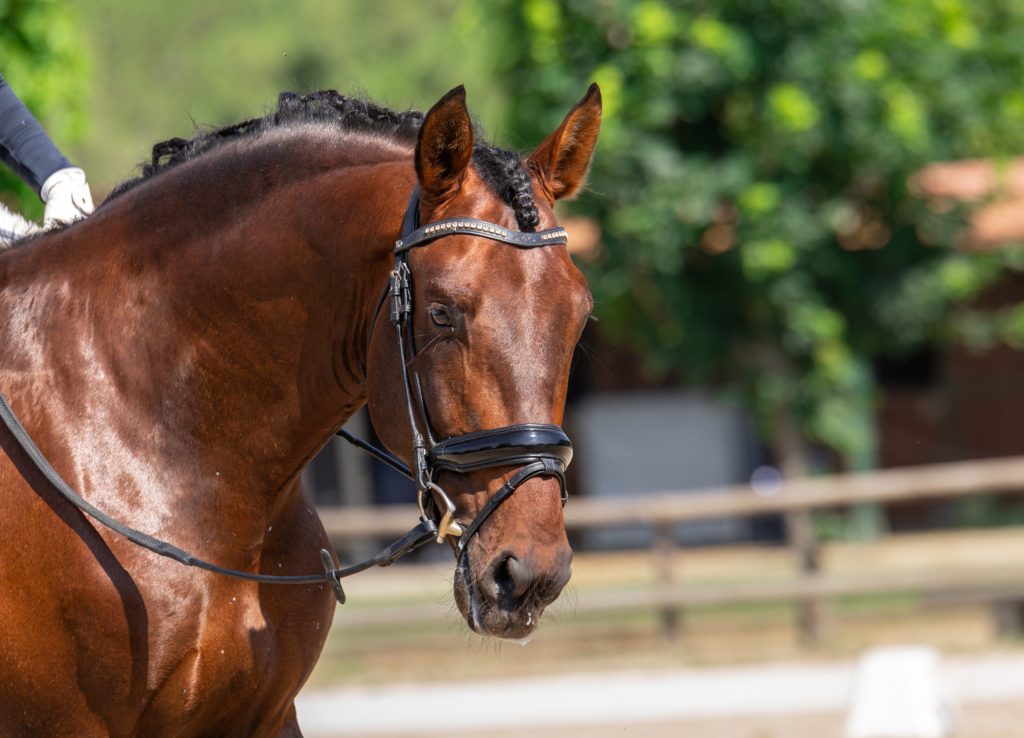
Creating a Calm and Focused Training Environment
The setting in which you train can significantly impact your horse’s ability to concentrate. Minimize distractions by choosing a quiet arena or field, especially when introducing new movements. Gradually expose your horse to more stimulating environments as their confidence grows.
- Keep sessions short and end on a positive note.
- Use a familiar routine to help your horse anticipate what comes next.
- Introduce changes gradually to avoid overwhelming your horse.
If your horse becomes anxious or distracted, return to a simple exercise they know well to restore their focus. This builds resilience and helps them learn to manage stress.
Developing Focus and Willingness Through Varied Exercises
Horses thrive on variety and mental stimulation. Incorporate different exercises into your training sessions to keep your horse engaged. Pole work, transitions, and lateral movements can challenge your horse’s mind and body, preventing boredom and frustration.
Regularly assess your horse’s mood and energy levels. If they seem tense, incorporate relaxation techniques such as long, low stretching or gentle walk breaks. These moments of relaxation reinforce the idea that training is a positive experience.
For more insights on achieving balance and symmetry in both horse and rider, consider reading this guide to developing balance and symmetry in dressage.
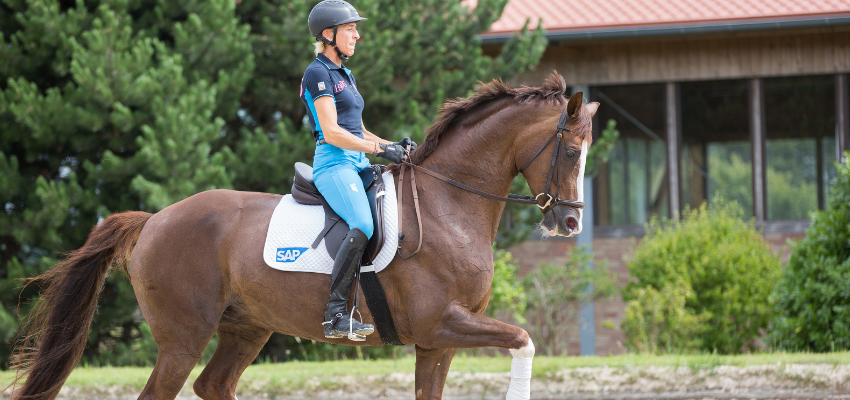
Addressing Common Mental Challenges in Dressage Horses
Even with careful preparation, horses may encounter mental hurdles such as tension, distraction, or resistance. Recognizing these signs early allows you to adjust your approach and maintain progress.
- Tension: Signs include tight muscles, tail swishing, or grinding teeth. Respond by slowing down and offering reassurance.
- Distraction: If your horse is looking around or not listening, bring their attention back with transitions or simple patterns.
- Resistance: If your horse refuses to move forward or evades contact, check for discomfort and revisit groundwork to rebuild trust.
Remember, setbacks are part of the learning process. Stay patient and celebrate small victories to build your horse’s confidence over time.
Supporting Your Horse’s Mental Wellbeing Outside the Arena
Mental preparation extends beyond formal training sessions. Horses benefit from a balanced lifestyle that includes turnout, social interaction, and downtime. Providing a predictable routine and a comfortable environment helps reduce stress and supports overall wellbeing.
Regularly check your tack for fit and comfort, and ensure your horse’s physical needs are met. A horse that feels good physically is more likely to be mentally relaxed and focused.
For tips on helmet safety and comfort, see our article on how to evaluate helmet weight for neck comfort.
Frequently Asked Questions
How can I tell if my horse is mentally ready for dressage training?
Signs of mental readiness include a calm demeanor, willingness to listen, and the ability to focus on the rider’s cues. If your horse is relaxed, responsive, and shows curiosity rather than anxiety in new situations, they are likely prepared for more advanced work.
What should I do if my horse becomes anxious during training?
If your horse shows signs of anxiety, pause the session and return to a familiar, simple exercise. Use gentle voice cues and positive reinforcement to reassure them. Avoid escalating pressure, and consider shortening sessions until your horse regains confidence.
Are there specific exercises that help with mental preparation for dressage?
Yes, groundwork, pole work, and transitions are excellent for engaging your horse’s mind. Desensitization exercises and exposure to new environments in a controlled way also help build resilience and focus.
Conclusion
Focusing on preparing horse mentally for dressage is essential for achieving harmony and success in the arena. By building trust, fostering focus, and supporting your horse’s wellbeing, you create an environment where both horse and rider can thrive. Consistency, patience, and a willingness to adapt your approach will help you and your horse enjoy the journey of dressage together.