

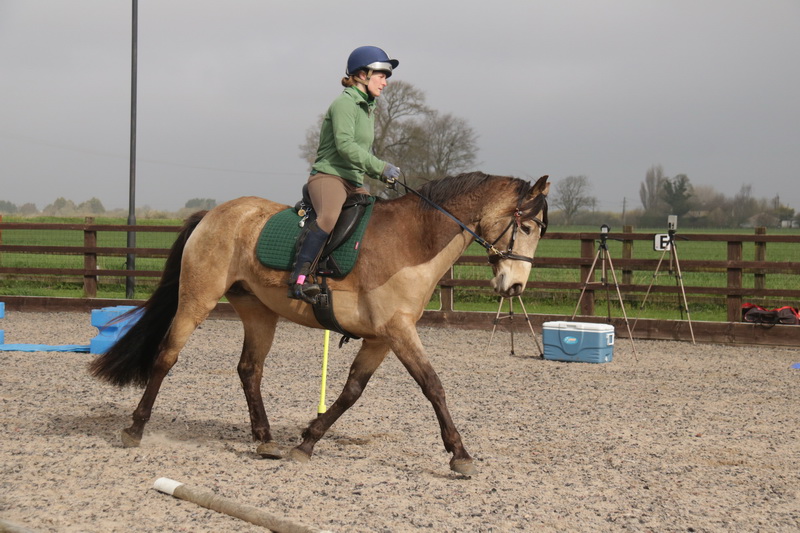
Dressage is often described as the art and science of harmonious horse training. At its core, it’s about developing a horse’s athletic ability, responsiveness, and partnership with the rider through a systematic approach. Understanding the underlying principles of dressage training theory is essential for riders aiming to achieve balance, suppleness, and precision in their work. This article breaks down the key concepts, methods, and priorities that shape modern dressage, offering a practical overview for enthusiasts at any level.
Whether you’re new to the discipline or looking to deepen your knowledge, a solid grasp of these foundational ideas can transform both your riding and your horse’s performance. For those interested in broader equestrian safety, you might also want to read about how to choose a helmet for eventing to ensure protection across all riding activities.
The Foundations of Dressage: Principles and Priorities
At the heart of every successful dressage partnership lies a set of guiding principles. These include rhythm, relaxation, contact, impulsion, straightness, and collection. Often visualized as the “training scale,” these elements provide a roadmap for progressive development. Each step builds upon the previous, ensuring that the horse gains confidence and physical ability in a logical sequence.
Rhythm refers to the regularity and tempo of the horse’s gaits. Relaxation is about the horse’s mental and physical suppleness, free from tension. Contact involves a steady, elastic connection between the rider’s hands and the horse’s mouth. Impulsion is the controlled energy generated from the hindquarters, while straightness ensures the horse moves evenly on both reins. Finally, collection allows the horse to carry more weight on the hind legs, resulting in lightness and maneuverability.
Classical Versus Modern Approaches to Training
The evolution of dressage has seen a blend of classical traditions and contemporary methods. Classical dressage emphasizes patience, empathy, and gradual progression, with a focus on the horse’s natural movement and well-being. Modern techniques may incorporate sports science, biomechanics, and innovative exercises, but the core values remain unchanged: respect for the horse and a commitment to ethical training.
Riders are encouraged to adapt their approach based on the individual horse’s temperament, conformation, and learning style. The ultimate goal is a willing, attentive partner who understands and enjoys the work. For a deeper dive into the priorities that shape effective training, the principles and priorities of natural dressage methodology offer valuable insights.
Key Elements of Effective Dressage Training Theory
Applying the theory in practice means focusing on several core elements:
- Progressive Development: Each session should build on previous work, reinforcing established skills before introducing new challenges.
- Clear Communication: Riders use a combination of seat, leg, and rein aids to give precise, consistent signals.
- Positive Reinforcement: Rewarding the horse for correct responses encourages willingness and trust.
- Consistency: Regular, thoughtful practice helps both horse and rider internalize the principles of dressage.
- Adaptability: Adjusting exercises and expectations to suit the horse’s current ability and mindset is crucial for long-term progress.

Applying Dressage Theory to Daily Training
Integrating these concepts into everyday riding requires patience and attention to detail. Begin each session with a clear plan, but remain flexible to accommodate your horse’s needs. Warm up with exercises that encourage relaxation and rhythm, such as large circles, serpentines, and transitions between gaits.
As you progress, focus on maintaining an elastic connection and encouraging the horse to move forward with energy. Use transitions within and between gaits to develop impulsion and balance. Lateral movements, such as leg-yield and shoulder-in, help build straightness and suppleness.
Remember, the goal is not perfection in every moment but steady improvement over time. Consistent, thoughtful practice will yield lasting results. Riders should also pay attention to their own position and effectiveness, as clear aids are essential for communicating with the horse.
Common Challenges and Solutions in Dressage Training
Even with a solid understanding of dressage principles, riders may encounter obstacles. Horses can develop tension, lose rhythm, or become resistant. Addressing these issues requires a calm, methodical approach:
- Tension: Return to simple exercises and focus on relaxation. Allow the horse to stretch and move freely before resuming more demanding work.
- Loss of Rhythm: Use transitions and changes of direction to reestablish regularity in the gaits.
- Resistance: Check for physical discomfort, equipment fit, or confusion about the aids. Sometimes, a short break or a change of exercise can help reset the horse’s mindset.
Riders can also benefit from ongoing education, whether through lessons, clinics, or reading. For example, understanding common equestrian helmet fitting mistakes can enhance safety and comfort, supporting better focus during training.

Benefits of Understanding Dressage Training Concepts
Mastering the theoretical side of dressage brings several advantages. Riders become more effective communicators, able to troubleshoot problems and adapt their approach. Horses trained with these principles tend to be more confident, athletic, and willing partners.
Additionally, a deep understanding of training priorities helps prevent injury and burnout, as exercises are introduced in a logical, horse-friendly sequence. This knowledge also supports long-term progression, whether the goal is competition or simply enjoying a harmonious relationship with your horse.
FAQ: Dressage Training Theory
What is the purpose of the dressage training scale?
The training scale provides a structured framework for developing a horse’s physical and mental abilities. By following the steps—rhythm, relaxation, contact, impulsion, straightness, and collection—riders can systematically improve their horse’s performance and well-being.
How long does it take to see progress in dressage?
Progress depends on the horse’s age, previous training, and the consistency of the rider’s approach. Some improvements, like better rhythm or relaxation, can be seen quickly, while more advanced skills such as collection may take months or years to develop.
Can dressage training benefit horses in other disciplines?
Absolutely. The principles of balance, suppleness, and responsiveness are valuable for all riding styles. Many eventers, jumpers, and even trail riders incorporate dressage exercises to improve their horse’s athleticism and communication.
Where can I learn more about dressage priorities?
For further reading, the principles and priorities of natural dressage methodology provide an excellent overview of both foundational and advanced concepts.
Conclusion
A thoughtful approach to dressage training, grounded in proven theory, sets the stage for lasting success and enjoyment. By focusing on clear principles, adapting to your horse’s needs, and committing to ongoing learning, you can build a rewarding partnership that stands the test of time.