

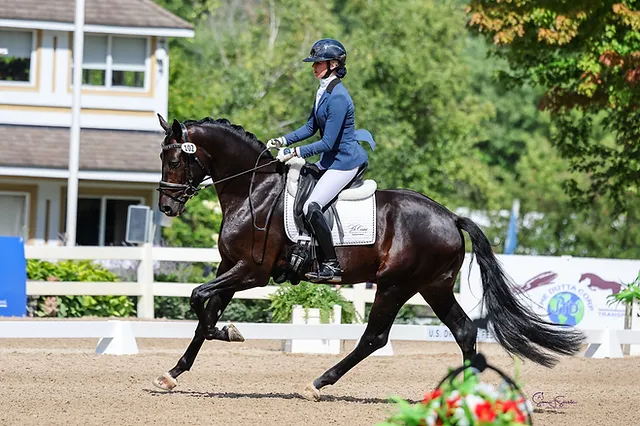
Dressage is an art that demands patience, precision, and a deep understanding between rider and horse. Even the most experienced equestrians encounter common dressage training problems that can slow progress or create frustration. Recognizing these issues early and knowing how to address them is essential for building a harmonious partnership and achieving success in the arena.
This article explores frequent challenges riders face during dressage schooling, from contact inconsistencies to difficulties with straightness and impulsion. You’ll also find practical solutions, expert advice, and helpful resources to support your journey. For those interested in safety and equipment, learning how to find the right riding helmet for your head shape is a valuable step for every dressage rider.
Recognizing Contact and Connection Issues
One of the most frequent dressage schooling challenges is achieving a steady, elastic contact. Riders often struggle with horses that are either too heavy in the hand, resistant, or inconsistent in the rein. This can manifest as head tossing, leaning, or evading the bit.
- Heavy contact: The horse leans on the bit, making the rider feel as though they are holding up the horse’s head.
- Inconsistent connection: The horse alternates between dropping behind the bit and pulling forward, resulting in a lack of steady communication.
- Evading the bit: Some horses open their mouths, cross their jaws, or tilt their heads to avoid true contact.
To address these issues, focus on riding from the leg to the hand, encouraging the horse to step forward into a soft, following rein. Regular transitions, correct use of the seat, and ensuring the horse is straight and balanced can help establish a more reliable connection. If problems persist, consulting a qualified instructor can provide targeted exercises and feedback.
Problems with Straightness and Alignment
Maintaining straightness is a cornerstone of dressage, yet it is a common stumbling block. Horses, like humans, are naturally one-sided and may drift, bulge, or fall in on circles and straight lines. This lack of alignment can affect everything from basic paces to advanced movements.
Signs of crookedness include:
- The horse’s hindquarters trailing to one side.
- Difficulty maintaining a straight line on the centerline or during lateral work.
- Unevenness in the contact or impulsion.
Improving straightness starts with rider awareness. Check your own position—ensure your shoulders, hips, and hands are aligned. Use mirrors or video to assess your horse’s body alignment. Incorporate exercises such as shoulder-in, leg-yield, and riding on the quarter lines to encourage evenness and symmetry. For more on developing balance and symmetry, explore this guide to balance and symmetry in horse and rider.
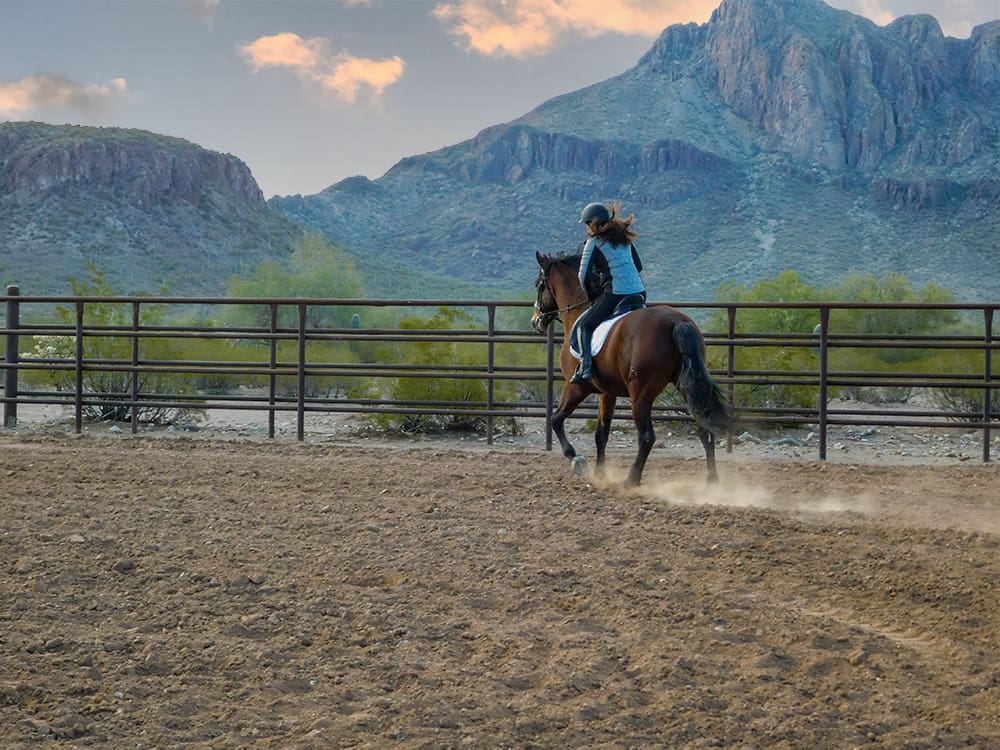
Addressing Lack of Impulsion and Forwardness
Another widespread obstacle in dressage is insufficient impulsion. Horses lacking energy or willingness to move forward can feel sluggish, behind the leg, or resistant to transitions. This not only affects performance but can also lead to tension and loss of rhythm.
Common causes include:
- Rider inadvertently blocking the horse with their seat or hands.
- Overuse of the leg, causing the horse to become dull to aids.
- Physical discomfort or improper saddle fit.
To encourage more forwardness, use clear, light leg aids and reward immediate responses. Vary the work with transitions, changes of direction, and short bursts of canter or lengthened trot. Ensure your equipment, such as your saddle, fits well and does not restrict the horse’s movement. If you’re considering an upgrade, you might want to explore dressage saddle options that promote comfort and freedom of movement.
Overcoming Resistance and Tension
Resistance and tension are frequently seen in horses that are confused, anxious, or physically uncomfortable. Signs include tail swishing, grinding teeth, hollowing the back, or refusing to move forward. These reactions can stem from unclear aids, inconsistent routines, or discomfort.
To reduce tension:
- Establish a calm, predictable warm-up routine.
- Use gentle, consistent aids and avoid abrupt corrections.
- Incorporate stretching exercises and allow the horse to move in a longer frame periodically.
If resistance persists, have your horse checked by a veterinarian or equine bodyworker to rule out pain. Sometimes, small adjustments to your training approach or tack can make a significant difference.
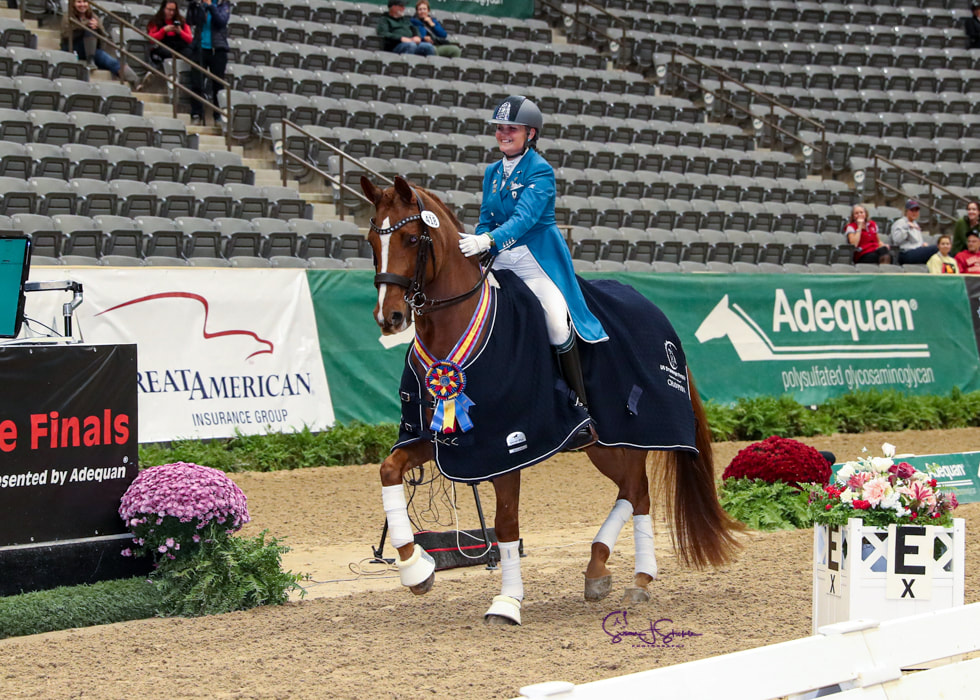
Improving Rider Position and Influence
Many dressage schooling issues can be traced back to the rider’s position and effectiveness. A balanced, supple seat allows for clearer communication and helps the horse move more freely. Common rider faults include collapsing at the waist, gripping with the knees, or uneven rein contact.
To enhance your position:
- Work on your core strength and flexibility off the horse.
- Take lunge lessons to focus on balance without reins or stirrups.
- Use mirrors or video feedback to check your alignment.
Remember, your posture and aids directly influence your horse’s way of going. Small adjustments can yield significant improvements in your horse’s performance and willingness.
Consistency and Patience in Dressage Progress
Dressage is a discipline that rewards consistency and patience. Progress can be slow, and setbacks are normal. Keeping a training journal, setting realistic goals, and celebrating small achievements can help maintain motivation. If you’re curious about how equipment and safety standards differ internationally, you may find the difference between UK and US riding standards informative.
Remember, every horse and rider team is unique. What works for one may not suit another. Stay open to learning, seek feedback, and prioritize your horse’s well-being above all.
Frequently Asked Questions
What should I do if my horse refuses to move forward in dressage?
If your horse is reluctant to go forward, first rule out pain or discomfort by checking tack fit and consulting with a veterinarian if needed. Use clear, light leg aids and reward any forward movement. Vary your work to keep your horse interested, and avoid nagging with constant leg pressure.
How can I improve straightness in my horse?
Work on your own position to ensure you are not inadvertently causing crookedness. Use exercises like shoulder-in, leg-yield, and riding on the quarter lines. Regularly check your horse’s alignment in mirrors or with video to monitor progress.
Why does my horse resist contact with the bit?
Resistance to the bit can be caused by unclear aids, tension, or discomfort. Make sure your hands are steady and following, and ride your horse forward into the contact from your leg. If the problem persists, have your horse’s teeth and tack checked by professionals.
Conclusion
Encountering common dressage training problems is part of every rider’s journey. By identifying issues such as contact inconsistencies, lack of straightness, impulsion challenges, and rider position faults, you can develop effective strategies for improvement. Stay patient, seek guidance when needed, and remember that progress in dressage is built on a foundation of trust, consistency, and mutual respect. For more tips on safety and equipment, explore resources on helmet retention systems and measuring head circumference for helmets to support your riding experience.