

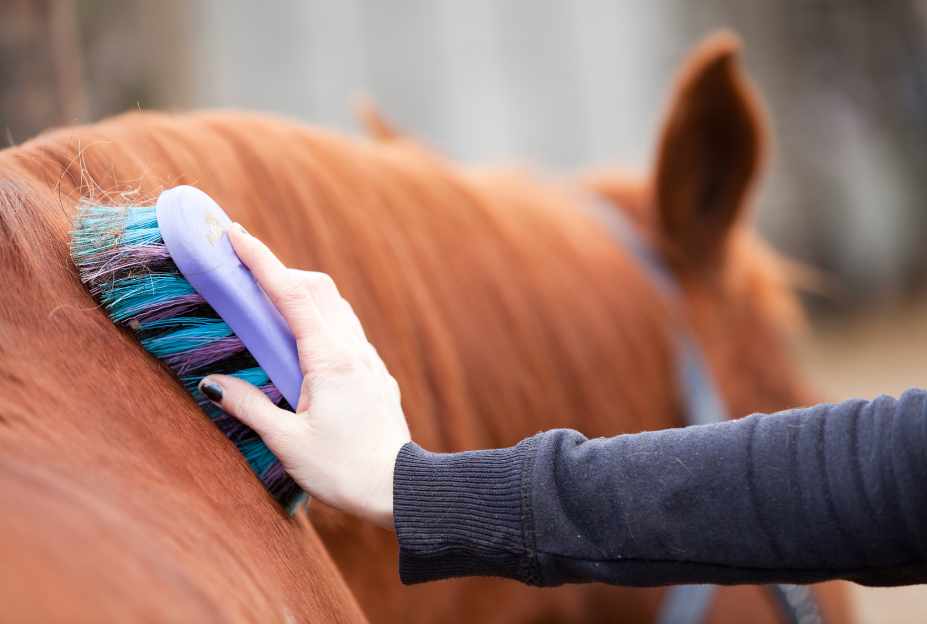
Keeping your horse clean and healthy is an essential part of responsible horse care. A well-maintained grooming and bathing routine not only enhances your horse’s appearance but also supports their overall well-being. This horse grooming bathing guide covers the best practices, tools, and techniques to ensure your horse stays comfortable and sparkling clean, whether you’re preparing for a show or simply maintaining daily hygiene.
Regular grooming helps prevent skin issues, promotes circulation, and strengthens the bond between horse and handler. Bathing, when done correctly, removes dirt, sweat, and debris that can accumulate in your horse’s coat. Before diving into the step-by-step process, it’s important to understand the basics of grooming and how it fits into your horse’s care routine.
If you’re interested in other aspects of equestrian safety, you may want to read about how to find the right riding helmet for your head shape to ensure both you and your horse are well-prepared for every ride.
Why a Consistent Grooming and Bathing Routine Matters
A structured approach to grooming and bathing offers several benefits. Regular attention to your horse’s coat, mane, and tail helps you spot minor injuries or skin conditions early. It also reduces the risk of fungal infections and keeps your horse comfortable, especially during seasonal changes. Clean horses are less prone to irritation from sweat and dirt buildup, and a shiny coat is often a sign of good health.
In addition, grooming sessions are an excellent opportunity to check your horse’s hooves, eyes, and ears for any abnormalities. This hands-on care strengthens trust and communication, making handling and training easier.
Essential Tools for Effective Horse Grooming
Before you begin, gather the necessary supplies to make the process efficient and enjoyable for both you and your horse. Here’s a list of must-have grooming tools:
- Curry comb: Loosens dirt, mud, and shedding hair from the coat.
- Body brush: Removes finer dust and smooths the coat.
- Mane and tail comb: Detangles and cleans the mane and tail.
- Hoof pick: Clears debris from hooves and checks for stones or injuries.
- Sponge or soft cloth: Cleans sensitive areas like the face and dock.
- Shampoo and conditioner: Use equine-specific products to avoid skin irritation.
- Scraper or sweat scraper: Removes excess water after rinsing.
- Towels: Helps with drying and adds a final polish to the coat.
Having a dedicated grooming kit ensures you’re always prepared. For those looking to upgrade their supplies, you can buy horse grooming kit options online for convenience.
Step-by-Step Horse Grooming Bathing Guide
A thorough cleaning session involves several stages, from dry brushing to a full bath. Here’s how to approach each step for the best results.
1. Preparing Your Horse and Workspace
Choose a safe, quiet area with non-slip footing and access to water. Secure your horse with a quick-release knot or cross-ties. Gather all your grooming and bathing supplies within easy reach to minimize distractions.
2. Dry Grooming: The Foundation of Cleanliness
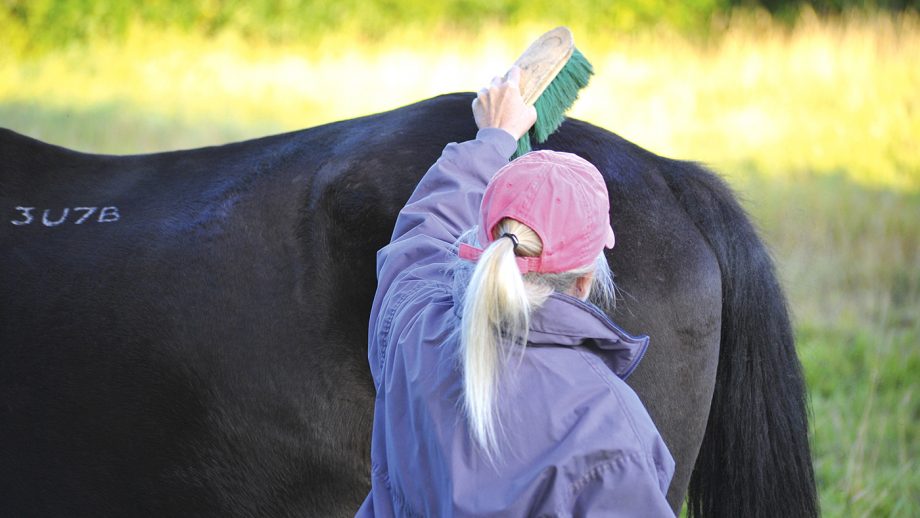
Start by using a curry comb in circular motions to loosen dirt and hair. This stimulates the skin and brings natural oils to the surface. Follow with a stiff brush to remove the loosened debris, then use a softer body brush for a smooth finish. Pay attention to sensitive areas with a sponge or cloth.
Don’t forget to pick out your horse’s hooves, checking for stones, cracks, or signs of thrush. Comb through the mane and tail gently, starting from the bottom and working upward to prevent breakage.
3. Bathing Techniques for a Healthy Coat
When your horse needs a full bath—such as after heavy exercise, before a show, or during shedding season—follow these steps:
- Wet your horse gradually, starting from the legs and moving up to avoid startling them.
- Apply a small amount of equine shampoo, working it into a lather with your hands or a sponge. Focus on the neck, back, and hindquarters, avoiding the eyes and inside the ears.
- Rinse thoroughly until the water runs clear. Leftover soap can cause irritation.
- Use conditioner on the mane and tail if needed, then rinse again.
- Remove excess water with a sweat scraper, working from neck to tail.
- Pat dry with towels and allow your horse to air dry in a sheltered area, out of direct wind or sun.
Bathing should be done only as needed, since frequent washing can strip the coat of natural oils. For most horses, a few baths per year are sufficient, with daily grooming maintaining coat health in between.
Tips for a Stress-Free Grooming and Bathing Experience
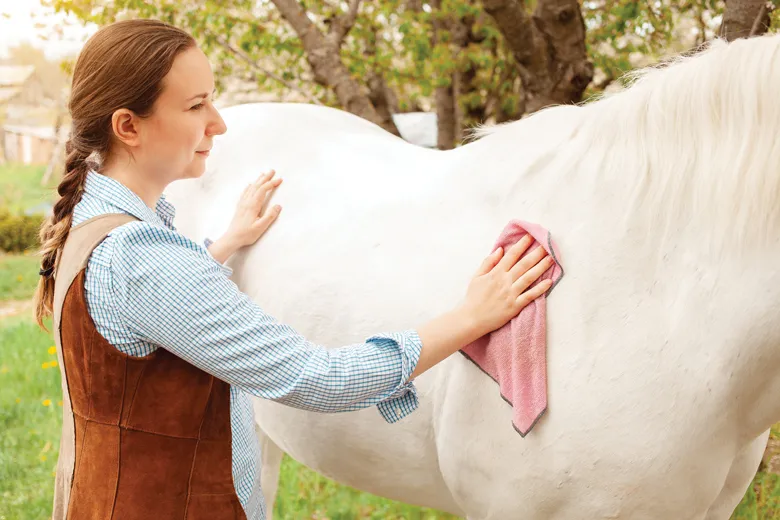
Patience and consistency are key to making grooming enjoyable for your horse. Always approach calmly and reward good behavior. Use gentle, confident strokes and avoid rushing the process. If your horse is nervous about water, introduce bathing gradually and use lukewarm water to prevent discomfort.
Keep sessions short at first, gradually increasing duration as your horse becomes more comfortable. If you’re preparing for a competition, consider using professional horse show grooming tips to achieve a polished look.
Common Mistakes to Avoid in Horse Cleaning Routines
Even experienced handlers can make errors that affect coat health. Here are some pitfalls to watch out for:
- Using harsh or non-equine shampoos, which can dry out the skin.
- Bathing too frequently, leading to loss of natural oils.
- Neglecting to rinse thoroughly, causing skin irritation.
- Forgetting to check and clean hooves during grooming.
- Brushing too aggressively, especially on sensitive areas.
By following the steps in this horse grooming bathing guide, you can avoid these issues and keep your horse looking and feeling their best.
Maintaining a Healthy Coat Between Baths
Daily brushing is the best way to maintain a glossy, healthy coat between full washes. Regular grooming distributes oils, removes dust, and keeps your horse comfortable. In muddy or wet conditions, pay extra attention to legs and underbellies to prevent skin problems like rain rot.
During shedding season, use specialized tools to remove loose hair and keep your horse cool. Always monitor for signs of irritation, dryness, or parasites, and consult your veterinarian if you notice anything unusual.
Frequently Asked Questions
How often should I bathe my horse?
Most horses only need a bath a few times a year, such as before shows or after heavy exercise. Daily grooming is usually sufficient to keep them clean. Over-bathing can strip natural oils and cause dry skin.
What type of shampoo is safe for horses?
Always use shampoos and conditioners formulated specifically for horses. Human or dog shampoos may contain ingredients that irritate equine skin. Look for gentle, pH-balanced products designed for equine use.
Can I groom my horse if the weather is cold?
Yes, but avoid bathing with water in cold weather. Instead, use dry grooming techniques and spot-clean with a damp cloth if necessary. Make sure your horse is completely dry before turning them out to prevent chills.
Should I trim my horse’s mane and tail during grooming?
Trimming is optional and depends on your horse’s breed, discipline, and personal preference. Regular combing and detangling are more important for health than trimming, but a tidy mane and tail can enhance appearance for shows.
A consistent grooming and bathing routine is essential for every horse owner. By following these steps and tips, you’ll help your horse stay healthy, comfortable, and ready for any activity. For more information on equestrian safety and care, explore topics like the difference between UK and US riding standards to broaden your knowledge and keep your equine partner in top condition.