

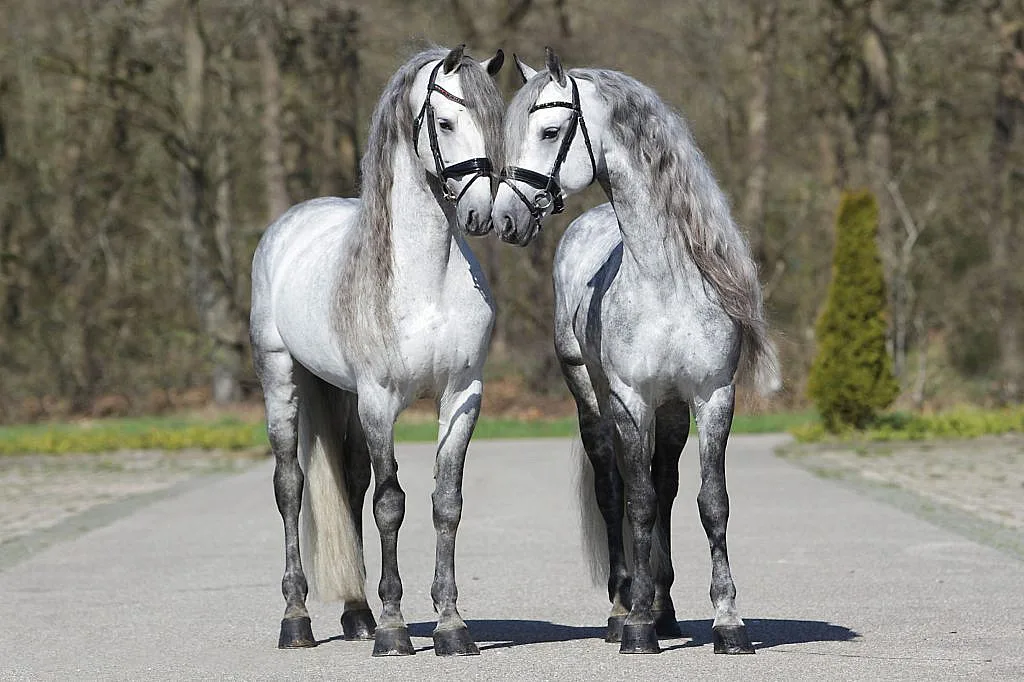
Friesian horses are admired for their striking appearance, gentle temperament, and athletic ability. However, their unique characteristics mean that turnout routines must be carefully managed to support their health and safety. Whether you are new to Friesian care or looking to refine your approach, understanding the best turnout practices for Friesians is essential for keeping these magnificent horses happy and thriving.
Proper turnout is more than just letting your horse out to graze. It involves planning, daily observation, and adapting routines to suit the breed’s specific needs. This article covers essential tips for safe pasture time, including how to prevent injuries, protect their luxurious coats and manes, and encourage natural behaviors. For a broader perspective on Friesian care, you may also find the complete guide to Friesian horses helpful as a foundational resource.
Understanding Friesian-Specific Needs in Pasture
Friesians have a rich history, originating from the Friesland region of the Netherlands. Their ancestry and selective breeding have resulted in horses with dense feathering, long manes, and sensitive skin. These features, while beautiful, require special attention during turnout. For those interested in the breed’s background, the history of Friesian horses provides valuable context for their unique care requirements.
Unlike some hardy breeds, Friesians can be prone to skin issues, sunburn, and feather mites if left unmanaged. Their sociable nature also means they benefit from turnout with compatible companions, but care must be taken to avoid bullying or rough play that could lead to injury.
Preparing the Pasture for Friesians
Ensuring a safe and suitable environment is the foundation of best turnout practices for Friesians. Here are some key considerations:
- Fencing: Use sturdy, visible fencing such as post-and-rail or well-maintained electric tape. Avoid barbed wire, which can cause serious injuries, especially to feathered legs.
- Ground Conditions: Friesians are susceptible to mud fever and scratches. Rotate pastures to prevent muddy areas, and provide dry standing spots, especially in wet seasons.
- Shelter: Offer access to natural or man-made shelter to protect from harsh sun, wind, and rain. Friesians’ dark coats can absorb heat quickly, increasing the risk of overheating.
- Safe Grazing: Monitor for toxic plants and ensure the pasture is free of debris. Regularly check for holes or uneven ground that could cause tripping or injury.
Managing Social Dynamics During Turnout
Friesians are generally friendly and enjoy the company of other horses. However, their gentle disposition can sometimes make them targets for more dominant pasture mates. To ensure a positive turnout experience:
- Introduce new horses gradually and observe interactions closely for the first few days.
- Group horses by temperament and size when possible to minimize bullying.
- Provide multiple feeding and watering stations to reduce competition and stress.
Understanding equine behavior and communication can help you spot early signs of conflict and intervene before injuries occur.
Protecting the Friesian Coat, Mane, and Feathers
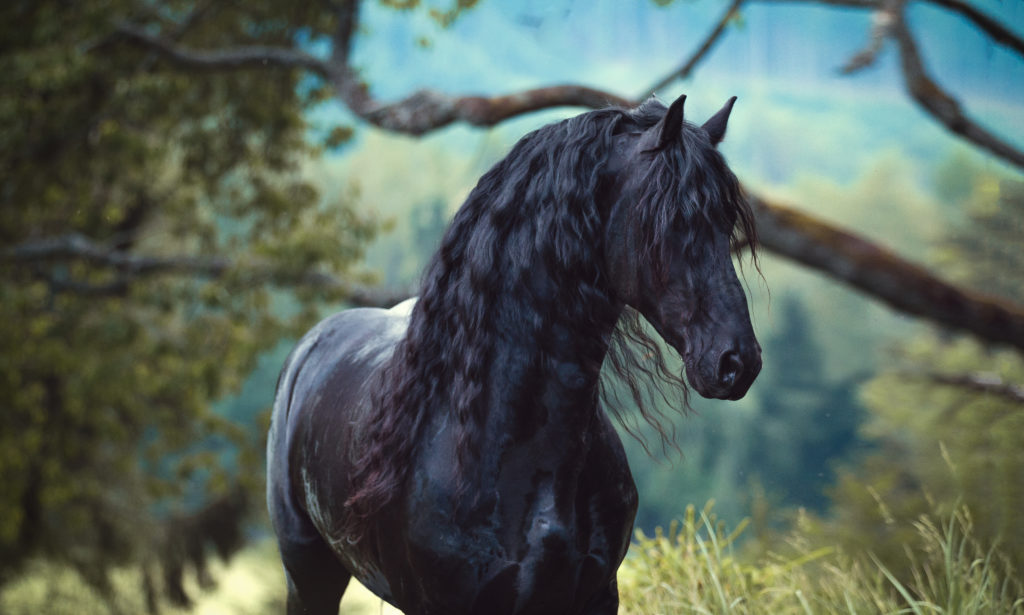
One of the most distinctive features of Friesians is their abundant mane, tail, and feathering. While stunning, these require diligent care, especially during turnout:
- Daily Grooming: Remove mud and debris from feathers and manes to prevent matting and skin irritation. Consider using a gentle detangler and a soft brush.
- Protective Gear: In wet or muddy conditions, turnout boots can help protect feathers from excessive moisture and mud. Fly sheets and masks are useful in summer to deter biting insects.
- Sun Protection: Friesians’ dark coats can fade or overheat in strong sunlight. Limit turnout during peak sun hours or provide shade to maintain coat health.
Regular grooming not only keeps your horse looking its best but also helps you spot early signs of skin problems or injuries. For more grooming tips, products like the Weaver Grooming Kit and Mane ‘n Tail Combo can make daily care easier and more effective.
Monitoring Health and Safety During Turnout
Consistent observation is a cornerstone of best turnout practices for Friesians. Even with the safest setup, issues can arise quickly:
- Check your horse daily for cuts, swelling, or signs of lameness.
- Watch for behavioral changes, such as reluctance to move or interact, which may indicate discomfort or illness.
- Monitor water intake and ensure troughs are clean and accessible at all times.
- Adjust turnout schedules during extreme weather to prevent heat stress or cold-related issues.
Early intervention is key to preventing minor problems from becoming serious health concerns.
Seasonal Adjustments for Friesian Turnout
Adapting your turnout routine to the changing seasons is vital for maintaining Friesian health:
- Spring/Summer: Increase turnout gradually as grass becomes richer to avoid digestive upset. Use fly protection and monitor for sunburn or overheating.
- Autumn: As weather cools, check for mud buildup in feathers and adjust grooming routines. Watch for early signs of rain scald or mud fever.
- Winter: Provide shelter from wind and wet. Some Friesians may need waterproof rugs, but avoid over-blanketing, which can lead to sweating and skin problems.
Each season brings its own challenges, so stay flexible and adjust your management as needed.
Encouraging Natural Behaviors and Mental Wellbeing
Turnout isn’t just about physical health—it’s also essential for your horse’s mental wellbeing. Allowing Friesians to graze, move freely, and interact with others supports natural behaviors and reduces stress. Enrich the pasture with safe objects, varied terrain, or shelter to stimulate curiosity and prevent boredom.
For more on horse psychology and building a strong bond, the article on how to become a better horse owner offers practical insights into connecting with your equine companion.
Common Mistakes to Avoid in Friesian Turnout
Even experienced owners can overlook important details. Some frequent missteps include:
- Leaving Friesians in muddy or unsanitary conditions, which can lead to skin infections.
- Failing to provide adequate shade or shelter, risking heat stress or sunburn.
- Ignoring social dynamics, resulting in stress or injury from bullying.
- Neglecting daily checks, allowing minor issues to escalate.
Learning from these pitfalls can help you refine your approach and provide the best possible care for your Friesian.
Frequently Asked Questions
How much turnout time is ideal for Friesians?
Most Friesians benefit from several hours of turnout each day, ideally in a safe, well-maintained pasture. Some can be out 24/7 if conditions are suitable, but always monitor for weather extremes and adjust as needed.
How can I prevent feather mites and mud fever?
Regular grooming, keeping feathers clean and dry, and rotating pastures to avoid muddy areas are effective strategies. Using turnout boots in wet weather and checking for early signs of irritation can also help prevent these issues.
Are Friesians safe to turn out with other breeds?
Yes, Friesians generally get along well with other horses, but it’s important to match them with companions of similar temperament and to monitor initial introductions closely to prevent bullying or injuries.
Conclusion
Establishing the best turnout practices for Friesians is a rewarding process that supports both the physical and mental wellbeing of your horse. By prioritizing safety, adapting to seasonal changes, and providing attentive daily care, you can ensure your Friesian enjoys a healthy, happy life in the pasture. For more fascinating insights, explore interesting facts about Friesian horses or brush up on Friesian horse myths and facts to deepen your understanding of this remarkable breed.