

Dressage is a discipline that demands precision, athleticism, and harmony between horse and rider. Choosing the best horse breeds for dressage can make a significant difference in performance, whether you are aiming for international competition or simply want to enjoy the art of classical riding. Different breeds bring unique strengths to the arena, from expressive movement to a calm temperament and willingness to learn.
In this guide, we’ll explore the most popular and successful breeds for dressage, what makes them excel, and how to select a partner that matches your goals. If you’re interested in learning more about a specific breed’s characteristics, you might find the complete guide to Friesian horses especially helpful.
Key Qualities of Top Dressage Horses
Not every horse is suited for the demands of dressage. The most successful competitors share several important traits:
- Movement: Expressive, elastic gaits with natural suspension, especially in the trot and canter.
- Trainability: Intelligence, willingness to work, and the ability to learn complex movements.
- Conformation: Balanced build, strong hindquarters, and a well-set neck for collection and self-carriage.
- Temperament: Calm, focused, and responsive to subtle cues from the rider.
While training and partnership are essential, certain breeds are renowned for consistently producing horses with these qualities.
Warmbloods: The Gold Standard in Dressage
When discussing top horse breeds for dressage, warmbloods are almost always at the forefront. These horses, developed in Europe, have dominated international competitions for decades.
Hanoverian
The Hanoverian is celebrated for its athleticism, expressive movement, and steady temperament. Originating from Germany, these horses are bred specifically for sport, making them a favorite among professional riders. Their powerful hindquarters and uphill build allow for impressive collection and extension.
Dutch Warmblood (KWPN)
Dutch Warmbloods are known for their versatility and exceptional movement. They consistently rank among the top dressage horses worldwide. Their natural balance and willingness to work make them suitable for riders at all levels, from amateurs to Olympians.
Oldenburg
Oldenburgs are valued for their expressive gaits and strong work ethic. Their calm disposition and adaptability make them a popular choice for both competitive and recreational dressage riders.
Westphalian
Westphalians combine athleticism with a gentle nature. Their smooth gaits and powerful build allow for advanced dressage movements, while their temperament makes them enjoyable partners in training.
Other Notable Breeds for Dressage
While warmbloods dominate the scene, several other breeds have made their mark in the dressage world. These horses often bring unique qualities and can be excellent choices depending on your needs and preferences.
Friesian
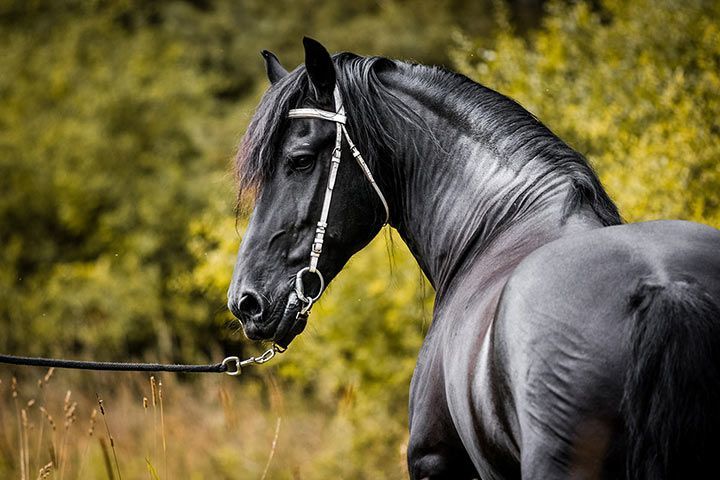
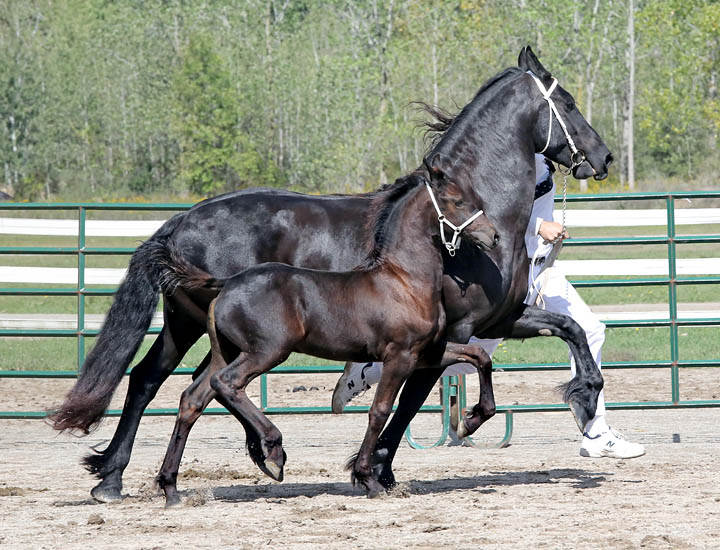
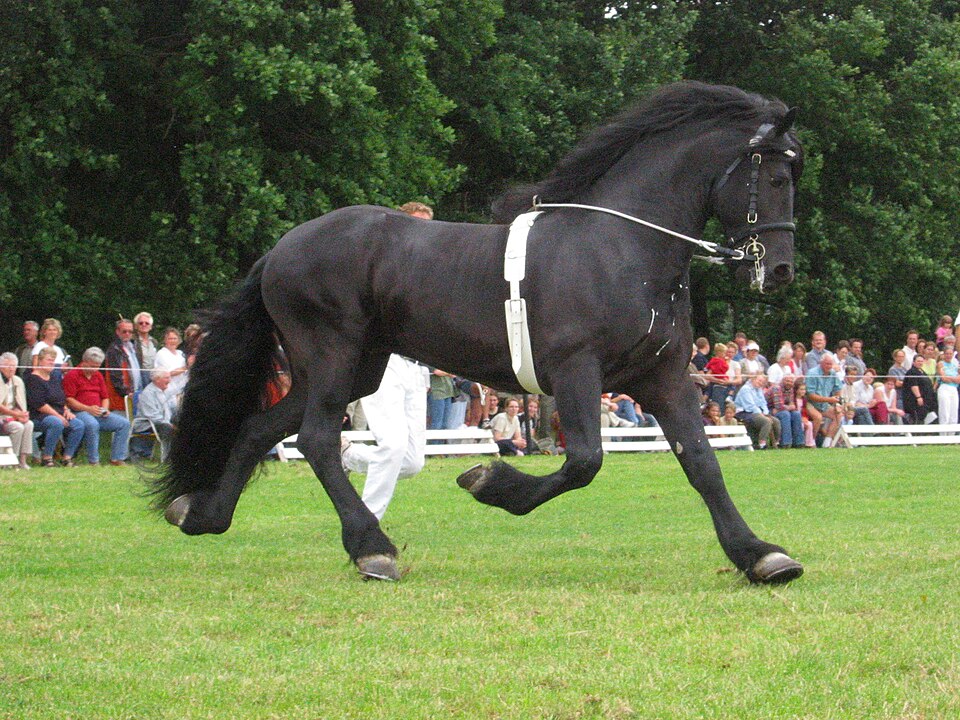
Friesians are instantly recognizable for their striking appearance—black coats, flowing manes, and feathered legs. Beyond looks, they offer expressive movement and a willing attitude. While they may not have the same level of natural suspension as some warmbloods, Friesians excel in classical dressage and are increasingly seen in modern competitions.
For more on their unique traits and history, see these interesting facts about Friesian horses.
Andalusian (Pura Raza Española)
The Andalusian, or PRE, is a Spanish breed known for its agility, intelligence, and natural collection. These horses have a long history in classical dressage and are admired for their expressive, elevated movement. Their compact build and strong hindquarters make them particularly suited for advanced maneuvers such as piaffe and passage.
Lusitano
Lusitanos, closely related to the Andalusian, are prized for their responsiveness and bravery. Originally bred for bullfighting and classical riding, they excel in dressage thanks to their agility and willingness to please. Their ability to perform collected movements with ease makes them a favorite for riders who appreciate traditional horsemanship.
Thoroughbred
Although Thoroughbreds are best known for racing, many have transitioned successfully to dressage. Their athleticism, sensitivity, and work ethic can be assets, especially in lower levels or for riders who prefer a lighter, more sensitive mount. With careful training, Thoroughbreds can develop the strength and balance needed for higher-level dressage.
Friesian Crosses and Other Hybrids
Crossbreeds that combine the best traits of different lines—such as Friesian crosses—are increasingly popular. These horses often blend the movement and temperament needed for dressage with added versatility or hardiness. If you’re curious about the myths and realities surrounding Friesians and their crosses, the article on Friesian horse myths and facts is a good resource.
Choosing the Right Dressage Partner
Finding the ideal horse for dressage goes beyond breed alone. Consider these factors when making your decision:
- Level of Experience: Are you a beginner, intermediate, or advanced rider? Some breeds are more forgiving and suitable for learning, while others may require experienced handling.
- Goals: Are you aiming for local shows, national championships, or simply personal enjoyment?
- Budget: Warmbloods and other top competitors can be expensive, but talented individuals can be found in many breeds and crosses.
- Temperament: A good match between horse and rider temperament is crucial for progress and enjoyment.
It’s also important to consider the horse’s health and nutritional needs. For example, Friesians have unique dietary requirements, which you can learn more about in this nutrition guide for Friesians.
Training and Care Tips for Dressage Horses
Regardless of breed, proper training and care are essential for success in dressage. Here are some practical tips:
- Work with a knowledgeable trainer who understands your horse’s breed and temperament.
- Focus on developing correct basics: rhythm, relaxation, and straightness before advancing to higher-level movements.
- Maintain a consistent grooming routine to keep your horse’s coat and mane healthy—using quality products like the ones above can make a difference.
- Monitor your horse’s nutrition, hoof care, and veterinary needs to support their athletic career.
Understanding your horse’s behavior and communication can also improve your partnership. For more on this topic, see the article on equine behavior and communication.
Frequently Asked Questions
What makes a horse suitable for dressage?
The best candidates for dressage have expressive, elastic gaits, a balanced and athletic build, intelligence, and a calm, trainable temperament. While certain breeds are known for these qualities, individual horses within any breed can excel with the right training and partnership.
Can non-warmblood breeds compete successfully in dressage?
Yes, many non-warmbloods—including Friesians, Andalusians, Lusitanos, and even Thoroughbreds—have achieved success in dressage. The key is to find a horse with the right movement, temperament, and willingness to learn.
How important is breed compared to training and rider skill?
Breed can provide a foundation of physical and mental traits, but training, rider skill, and the relationship between horse and rider are equally important. A well-trained horse of any breed, matched with a dedicated rider, can progress far in dressage.
Are Friesians good for beginners in dressage?
Friesians are known for their gentle nature and willingness to work, making them suitable for many riders, including beginners. However, their unique movement and care requirements should be considered. Learning more about their characteristics in a complete guide to Friesian horses can help you decide if they’re the right fit.
Conclusion
Dressage is a rewarding pursuit that celebrates the partnership between horse and rider. While warmbloods remain the top choice for many competitors, breeds like the Friesian, Andalusian, Lusitano, and Thoroughbred also offer unique strengths. By understanding the qualities that matter most and considering your own goals and experience, you can find the right equine partner for your dressage journey.