

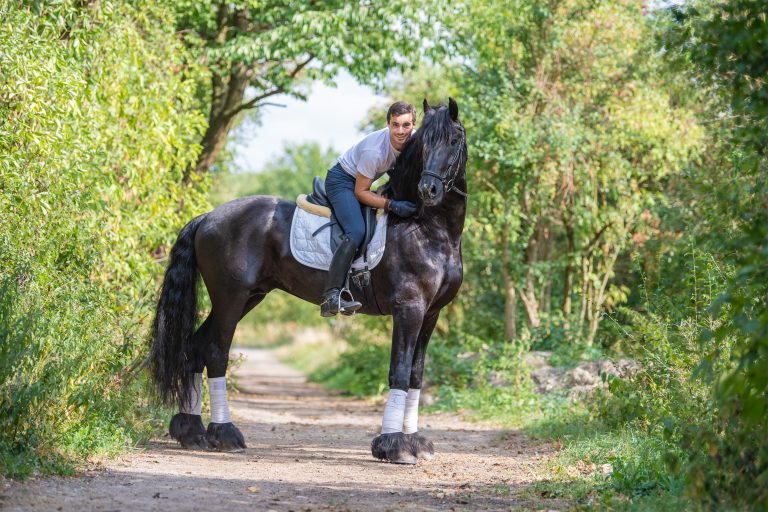
Friesian horses are admired for their striking appearance, gentle temperament, and athletic ability. As these majestic animals grow older, they experience a range of physical and behavioral changes. Recognizing the signs of aging in Friesian horses is crucial for providing the right care, ensuring comfort, and maintaining their quality of life.
Whether you’re a long-time Friesian owner or new to the breed, understanding how aging affects these horses can help you adapt your management practices. Early detection of age-related changes allows for timely veterinary intervention and adjustments in daily routines. If you want a broader perspective on the breed’s characteristics and needs, the complete guide to Friesian horses offers in-depth insights.
Physical Changes to Watch For
As Friesians age, their bodies undergo several noticeable transformations. Some changes are subtle, while others are more pronounced. Being attentive to these physical signs can help you support your horse through its senior years.
Coat and Skin Condition
One of the first things owners may notice is a change in the horse’s coat. Older Friesians often develop a duller, coarser coat and may shed less efficiently. The skin can become thinner and more prone to dryness or irritation. Regular grooming and the use of quality products, such as those found in the Weaver Grooming Kit, can help maintain skin and coat health.
Muscle Tone and Body Condition
Loss of muscle mass, especially along the topline and hindquarters, is a common sign of aging. Senior Friesians may appear less rounded and more angular. Weight management becomes more challenging, with some horses losing condition despite adequate nutrition. Monitoring body condition and adjusting feed can make a significant difference.
Dental Health
Dental issues are prevalent in older horses. Worn, loose, or missing teeth can affect chewing and digestion, leading to weight loss or colic. Regular dental checkups are essential to address sharp points, uneven wear, or other oral problems.
Mobility and Hoof Health in Senior Friesians
Mobility issues are among the most significant signs of aging in Friesian horses. As these horses get older, joint stiffness, arthritis, and hoof changes can impact their movement and comfort.
Joint Stiffness and Arthritis
Senior Friesians may show reluctance to move, shortened stride, or difficulty rising from a lying position. Swelling or heat in the joints, especially in the hocks and knees, can indicate arthritis. Regular exercise, appropriate footing, and joint supplements may help manage discomfort.
Hoof Changes
Aging can slow hoof growth and alter hoof quality. Cracks, chips, or increased brittleness are not uncommon. Routine farrier care is essential to prevent lameness and maintain balance. For more on Friesian health and care, the Friesian horse myths and facts article dispels common misconceptions about their maintenance needs.
Behavioral and Cognitive Shifts
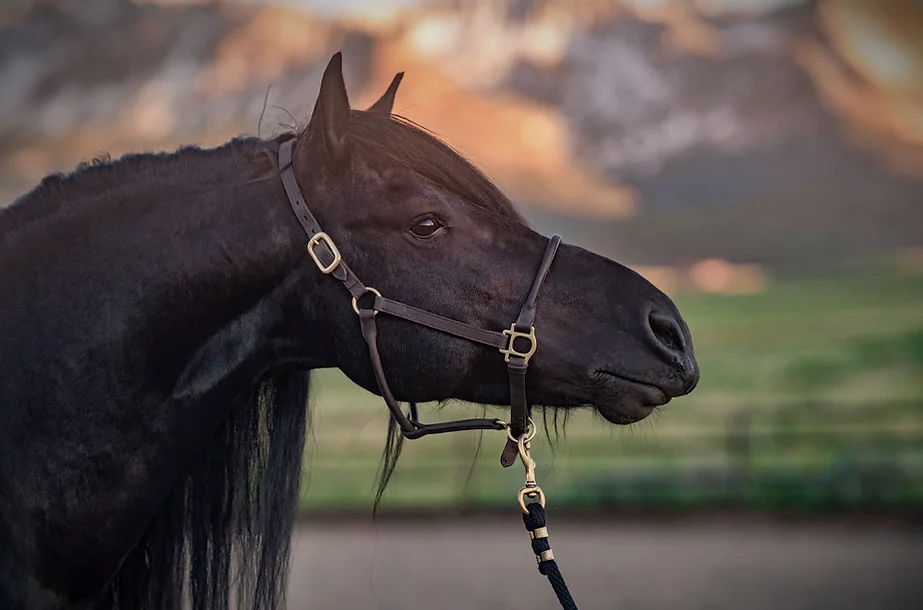
It’s not just physical changes that signal aging in Friesians. Behavioral and cognitive shifts can also occur as horses grow older. Recognizing these changes can help you provide better emotional and mental support.
Changes in Activity and Social Behavior
Older Friesians may become less active, preferring to rest more often. Some may show reduced interest in herd dynamics or become less playful. Others might become more anxious or easily startled. These shifts can be subtle but are important indicators of aging.
Memory and Learning
Cognitive decline, while less common, can affect some senior horses. Signs include confusion, difficulty learning new tasks, or changes in established routines. Keeping a consistent environment and offering gentle mental stimulation can help maintain cognitive health.
Digestive and Metabolic Concerns
Digestive efficiency often decreases with age. Senior Friesians may be more prone to weight loss, colic, or metabolic disorders such as Cushing’s disease. Monitoring feed intake, providing easily digestible forage, and scheduling regular veterinary checkups are key to managing these issues.
For more on how to connect with and care for your horse throughout its life, see the guide on how to become a better horse owner.
Vision and Hearing Changes
Sensory decline is another set of signs of aging in Friesian horses. Cloudiness in the eyes, reduced night vision, or slower response to visual cues may develop. Hearing loss is less common but can occur, leading to slower reactions or increased startle responses. Regular veterinary exams can help detect and manage these conditions early.
Supporting Your Aging Friesian
Providing the best care for an aging Friesian involves a combination of attentive management, regular health checks, and adapting routines to suit their changing needs. Here are some practical steps:
- Routine veterinary care: Schedule regular checkups to monitor health and address age-related issues promptly.
- Nutrition: Adjust feed to ensure adequate calories, protein, and fiber, focusing on senior horse formulas if needed.
- Exercise: Maintain gentle, consistent exercise to support mobility and mental health.
- Grooming: Use appropriate grooming tools and products to keep the coat and skin healthy.
- Comfort: Provide soft bedding, shelter from extreme weather, and minimize stressors in their environment.
For more on Friesian horse care, explore interesting facts about Friesian horses to deepen your understanding of this remarkable breed.
When to Consult a Veterinarian
While many age-related changes are natural, some may signal underlying health problems. Consult your veterinarian if you notice:
- Sudden weight loss or gain
- Persistent lameness or reluctance to move
- Difficulty eating or swallowing
- Behavioral changes such as aggression or confusion
- Unusual lumps, bumps, or wounds that do not heal
Timely intervention can improve quality of life and address treatable conditions before they progress.
For further reading on Friesian versatility and performance, see this in-depth overview of Friesian sport horses.
Frequently Asked Questions
At what age do Friesian horses typically start to show signs of aging?
Most Friesians begin to display age-related changes between 15 and 20 years old, though some may show signs earlier or later depending on genetics, lifestyle, and health history.
How can I help my senior Friesian maintain a healthy weight?
Offer a diet tailored to senior horses, monitor body condition regularly, and consult with your veterinarian or equine nutritionist. Soaked feeds, high-fiber forage, and easy-to-chew options can be beneficial.
Are Friesians more prone to certain health issues as they age?
Yes, Friesians can be susceptible to metabolic disorders, joint issues, and skin conditions as they get older. Regular health checks and proactive management can help minimize these risks.