

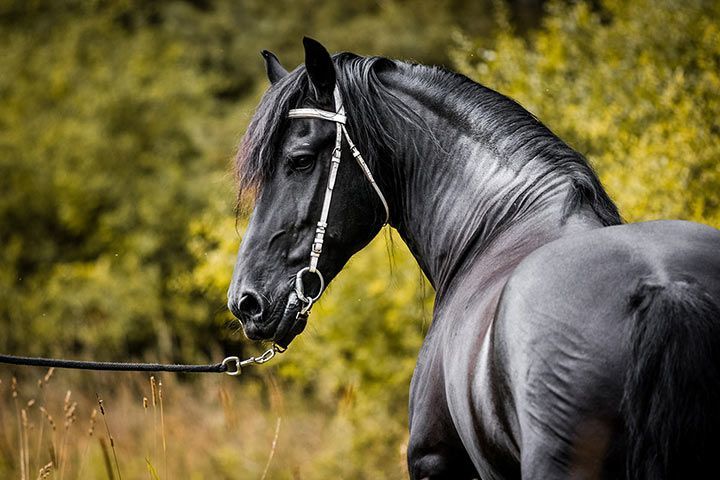
Friesian horses are renowned for their majestic appearance, gentle temperament, and impressive stature. As a breed that thrives on comfort and security, providing the best housing for Friesian horses is essential for their health, happiness, and longevity. The right environment not only safeguards their well-being but also supports their unique needs, from their lush manes to their sensitive skin and joints.
Whether you are a new Friesian owner or looking to upgrade your current facilities, understanding the essentials of safe and comfortable stalls is crucial. This article explores the most effective housing solutions, practical stall features, and daily management tips to ensure your Friesian enjoys a safe, healthy, and contented life.
For a broader understanding of this remarkable breed, you may find the complete guide to Friesian horses a valuable resource as you plan your stable setup.
Key Stall Features for Friesian Horse Comfort
Designing a stall that meets the needs of Friesians requires attention to their size, temperament, and grooming requirements. Here are the most important features to consider:
- Spacious Dimensions: Friesians are large horses, often standing 15.3 to 17 hands high. Stalls should be at least 12×14 feet, with higher ceilings to accommodate their height and allow free movement.
- Safe Materials: Use sturdy, smooth-finished wood or high-quality plastic for walls. Avoid sharp edges or protruding hardware to prevent injuries, especially to their flowing manes and tails.
- Proper Flooring: Rubber mats or cushioned flooring reduce joint stress and provide traction. Good drainage is essential to keep bedding dry and minimize ammonia buildup.
- Ventilation: Friesians are prone to respiratory issues if kept in stuffy environments. Ensure stalls have adequate airflow with windows, vents, or open-top partitions while avoiding drafts.
- Secure Doors: Sliding doors are safer than swinging ones, reducing the risk of accidental bumps or injuries.
Essential Elements of the Best Housing for Friesian Horses
Beyond the stall itself, the overall barn environment plays a significant role in your Friesian’s health and happiness. Consider these critical aspects:
- Lighting: Natural light is ideal, but well-placed LED fixtures can supplement during darker months. Good lighting supports grooming, hoof care, and general well-being.
- Cleanliness: Friesians have sensitive skin and are susceptible to fungal infections. Regular cleaning, dust management, and fresh bedding are non-negotiable.
- Temperature Control: While Friesians tolerate cold better than heat, extreme temperatures can cause stress. Insulated barns, fans, and shade help maintain a comfortable climate year-round.
- Safe Turnout Areas: Access to secure paddocks or pastures is vital for exercise and mental stimulation. Fencing should be high and sturdy, with no gaps or sharp edges.
Daily Management for Friesian Stall Health
Routine care is just as important as the physical structure of the barn. To keep your Friesian’s living space healthy and inviting:
- Frequent Mucking: Clean stalls at least once daily, removing soiled bedding and manure to prevent hoof and skin problems.
- Fresh Water: Provide clean, easily accessible water at all times. Automatic waterers can be convenient but should be checked regularly for function and cleanliness.
- Quality Bedding: Straw, shavings, or specialized bedding should be deep enough for comfort but not so thick that it retains excessive moisture.
- Regular Grooming: Friesians’ long manes and tails require daily attention to prevent tangles and debris buildup. For grooming tips and recommended products, consider using a quality grooming kit.
Nutrition and Environmental Considerations
Proper nutrition goes hand in hand with a safe living environment. Friesians have unique dietary needs that should be supported by their housing setup:
- Feeding Stations: Install feeders at a comfortable height to prevent neck strain. Avoid placing hay directly on the ground to reduce dust inhalation and waste.
- Supplement Storage: Keep grain and supplements in sealed containers away from moisture and pests.
- Access to Salt and Minerals: Provide salt licks or mineral blocks in each stall or turnout area.
For more in-depth advice on Friesian diets, see this comprehensive guide to Friesian horse nutrition.
Special Considerations for Friesian Horse Housing
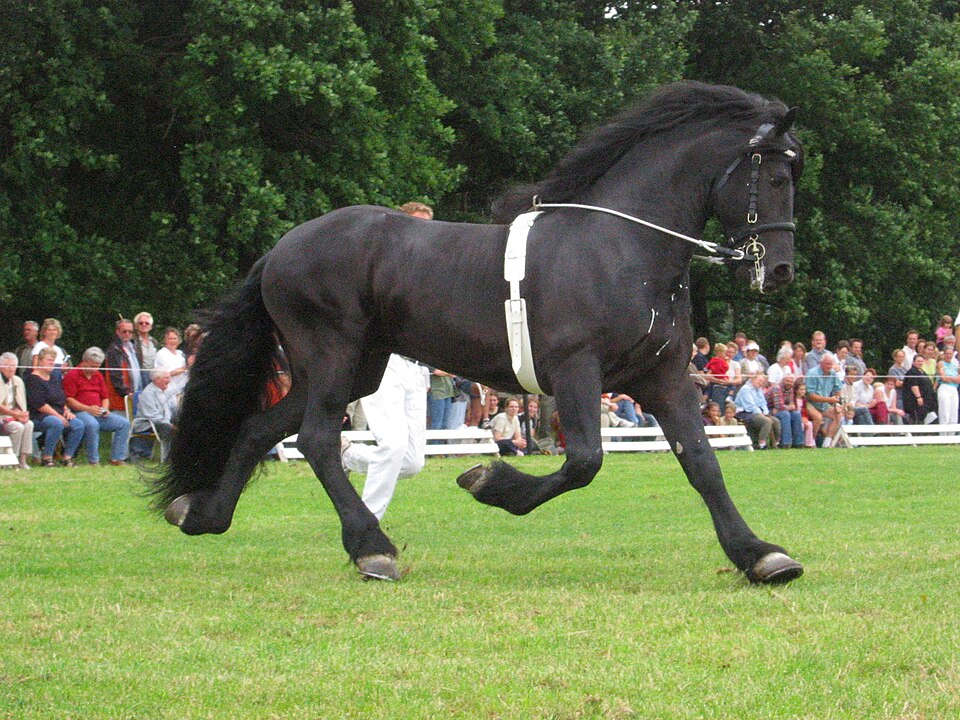
Friesians have a few unique needs that set them apart from other breeds. Their thick coats and feathered legs are beautiful but can be prone to skin irritations if their environment is too damp or dirty. Here are some tips to address these concerns:
- Dry, Well-Ventilated Stalls: Prevent skin issues by keeping the stall dry and ensuring good airflow. Avoid overcrowding, which can increase humidity and disease risk.
- Regular Hoof Inspections: Their feathered legs can hide mud and moisture, so check and clean hooves daily to avoid thrush and other infections.
- Grooming Stations: Designate a safe, well-lit area for grooming and bathing. This helps maintain their signature look and prevents skin conditions.
For more on Friesian behavior and how to connect with your horse, see equine behavior and communication.
Common Mistakes to Avoid in Friesian Stabling
Even experienced horse owners can overlook certain details when housing Friesians. Avoid these pitfalls to keep your horse healthy and content:
- Stalls that are too small or poorly ventilated, leading to stress and respiratory issues.
- Neglecting daily cleaning, which can cause hoof and skin problems.
- Using harsh chemicals or dusty bedding that irritates sensitive skin and lungs.
- Failing to provide adequate turnout, resulting in boredom and behavioral issues.
Frequently Asked Questions
What Size Stall Is Best for a Friesian Horse?
Due to their large size, Friesians need stalls that are at least 12×14 feet, with higher ceilings to accommodate their height and allow for comfortable movement.
How Often Should Friesian Stalls Be Cleaned?
Stalls should be mucked out at least once daily, with wet bedding and manure removed promptly to prevent health issues. More frequent cleaning may be necessary in humid climates or during shedding seasons.
Are Friesians Prone to Any Housing-Related Health Issues?
Yes, Friesians are susceptible to skin infections, respiratory problems, and hoof issues if their stalls are damp, dirty, or poorly ventilated. Regular cleaning, good airflow, and dry bedding are essential for prevention.
Conclusion
Creating the ideal home for your Friesian means more than just building a stall—it’s about understanding their unique needs and providing an environment that supports their health and happiness. By focusing on spacious, safe stalls, maintaining cleanliness, and offering daily care, you can ensure your Friesian thrives. For further reading on the breed’s history and role in popular culture, explore the Friesian horse in movies and media and Friesian horse myths and facts articles. With the right approach, your Friesian will enjoy a safe, comfortable, and enriching home for years to come.