

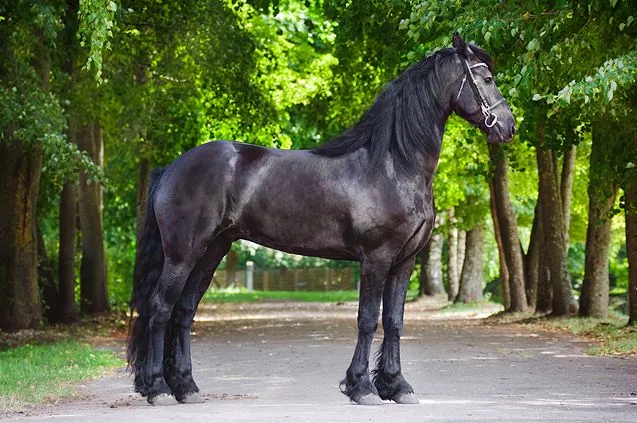
The Friesian breed is admired for its striking appearance, gentle temperament, and impressive athleticism. To maintain their health and beauty, Friesians require a carefully balanced diet tailored to their unique needs. This Friesian horse nutrition guide provides practical feeding advice, highlights common pitfalls, and explains how to support your horse’s well-being through proper nutrition.
Understanding the specific dietary requirements of Friesians is essential for their longevity and performance. Their metabolism, body type, and predisposition to certain health conditions mean that a one-size-fits-all approach simply won’t do. Whether you’re a new owner or looking to refine your horse’s feeding program, this article covers the essentials for optimal care.
For a broader perspective on this magnificent breed, the complete guide to Friesian horses offers in-depth information about their history, care, and characteristics.
Understanding Friesian Horse Dietary Needs
Friesians are known for their robust build and elegant stature, but their digestive systems are sensitive compared to some other breeds. They thrive on a diet high in fiber and moderate in energy, with careful attention paid to protein, vitamins, and minerals. Unlike some lighter breeds, Friesians can be prone to metabolic issues if overfed or given the wrong types of feed.
- Forage First: The foundation of any Friesian’s diet should be high-quality hay or pasture. Aim for at least 1.5–2% of the horse’s body weight in forage daily.
- Controlled Concentrates: If additional calories are needed, choose low-starch, high-fiber concentrates. Avoid feeds high in sugar and starch, as Friesians are susceptible to metabolic disorders.
- Fresh Water: Always provide unlimited access to clean, fresh water. Hydration is crucial for digestion and overall health.
Key Nutritional Considerations for Friesians
While all horses need a balance of nutrients, Friesians have some unique requirements. Their slower metabolism and tendency to gain weight mean that overfeeding can quickly lead to obesity and related health issues. Here are some important factors to consider:
- Protein: Adult Friesians in light work require about 10–12% protein in their diet. Growing horses and those in heavy work may need slightly more.
- Vitamins and Minerals: Ensure your horse receives adequate calcium, phosphorus, magnesium, and vitamin E. A balanced mineral supplement can help fill any gaps, especially if forage quality is inconsistent.
- Fat: Adding a small amount of vegetable oil or stabilized rice bran can provide extra calories without increasing starch intake.
- Salt: Provide free-choice salt, either loose or in a block, to support electrolyte balance.
Common Feeding Mistakes and How to Avoid Them
Even experienced owners can make errors when feeding Friesians. Here are some frequent mistakes and strategies to prevent them:
- Overfeeding Concentrates: Too much grain or sweet feed can cause weight gain and increase the risk of laminitis. Stick to forage-based diets and introduce concentrates only when necessary.
- Ignoring Body Condition: Regularly assess your horse’s body condition score. Adjust feed amounts as needed to maintain a healthy weight.
- Sudden Diet Changes: Any change in feed should be made gradually over 7–10 days to avoid digestive upset.
- Neglecting Dental Care: Poor dental health can affect chewing and digestion. Schedule routine dental checkups to ensure your horse can process its feed efficiently.
For more insights into Friesian health and care, the Friesian horse myths and facts article helps separate common misconceptions from reality.
Special Health Considerations Related to Diet
Friesians are predisposed to certain health conditions that can be influenced by nutrition. Being proactive with their diet can help minimize risks:
- Metabolic Disorders: Friesians can develop Equine Metabolic Syndrome (EMS) and are at risk for laminitis. Feeding low-sugar, high-fiber diets and monitoring body condition are key preventive measures.
- Dwarfism: This breed has a genetic predisposition to dwarfism, which can affect nutrient absorption and growth. Consult your veterinarian for specialized feeding plans if you care for a Friesian with this condition.
- Colic: Like all horses, Friesians are susceptible to colic. Consistent feeding schedules, plenty of forage, and access to water help reduce the risk.
For more on Friesian-specific care, this Friesian care resource offers detailed advice on health and management.
Feeding Tips for Different Life Stages and Activity Levels
Friesians’ nutritional needs change depending on their age, workload, and reproductive status. Here’s how to adapt their diet:
| Life Stage/Activity | Dietary Focus | Special Notes |
|---|---|---|
| Foals & Growing Horses | Higher protein, balanced minerals | Monitor growth for signs of developmental issues |
| Adult Maintenance | Forage-based, moderate protein | Watch for weight gain; avoid excess concentrates |
| Performance/Work | Extra calories from fat, electrolytes | Increase feed gradually as workload rises |
| Senior Horses | Easily digestible forage, senior feeds | Address dental issues and monitor weight |
| Pregnant/Lactating Mares | Increased energy, calcium, and protein | Consult a vet for precise requirements |
Practical Feeding Management Strategies
Implementing the right feeding practices can make a significant difference in your Friesian’s health:
- Feed small, frequent meals to mimic natural grazing behavior and support digestive health.
- Weigh feed rather than relying on volume to ensure accuracy.
- Monitor manure and appetite for early signs of digestive upset.
- Adjust rations seasonally, especially if pasture quality changes or exercise routines shift.
To deepen your understanding of horse care and communication, the equine behavior and communication article provides valuable insights into interpreting your horse’s needs.
Frequently Asked Questions
What is the best type of hay for Friesian horses?
High-quality grass hay is typically ideal for Friesians, as it provides necessary fiber without excess calories. Alfalfa can be included in moderation, especially for young or working horses, but should not be the sole forage due to its higher protein and calcium content.
How can I prevent my Friesian from becoming overweight?
Monitor your horse’s body condition regularly and adjust feed as needed. Limit concentrates, provide plenty of turnout for exercise, and ensure the bulk of the diet is forage. Using a slow feeder can also help extend eating time and reduce the risk of overeating.
Are supplements necessary for Friesian horses?
Supplements can be beneficial if your forage lacks certain nutrients, such as minerals or vitamin E. However, it’s best to have your hay analyzed and consult with a veterinarian or equine nutritionist before adding supplements to avoid imbalances.
Conclusion
Providing the right nutrition is a cornerstone of Friesian horse care. By focusing on high-quality forage, monitoring body condition, and tailoring the diet to your horse’s individual needs, you can help your Friesian thrive. Stay informed, consult professionals when needed, and remember that attentive feeding management is key to a healthy, happy horse.