

Managing a Friesian stallion requires a thoughtful approach that balances their impressive presence with their unique needs. These horses are admired for their striking appearance, intelligence, and gentle yet spirited temperament. However, their management involves more than daily care—it demands understanding their behavior, providing the right environment, and ensuring their well-being through consistent routines.
Whether you are an experienced handler or new to working with Friesians, learning the essentials of Friesian horse stallion management can help you foster a safe, healthy, and rewarding partnership. This article explores best practices for care, behavior, and handling, drawing on practical experience and current knowledge.
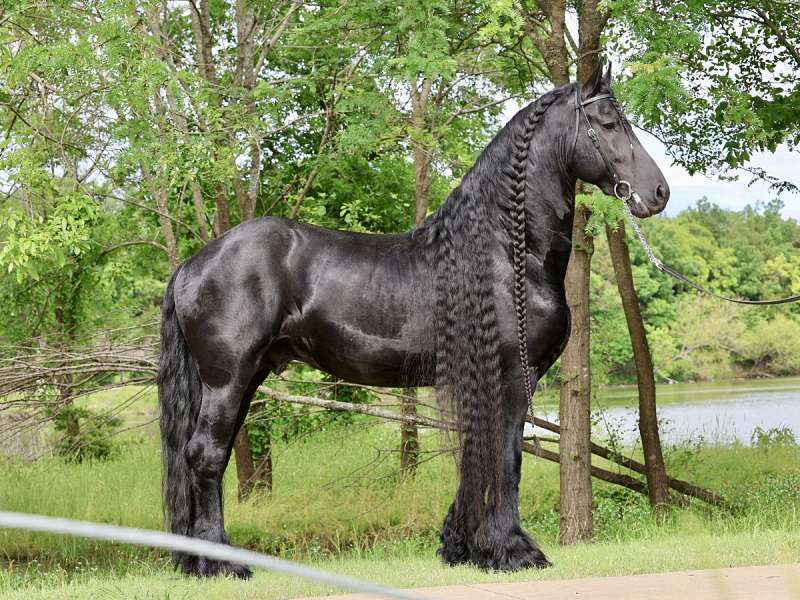
For a broader perspective on this remarkable breed, you may also find the complete guide to Friesian horses helpful for understanding their history, characteristics, and suitability for various equestrian disciplines.
Understanding Friesian Stallion Temperament and Behavior
Friesian stallions are known for their noble bearing and expressive movement, but their temperament is equally notable. While they are generally calm and willing, stallions require handlers who respect their strength and intelligence. Recognizing the nuances of their behavior is key to effective Friesian horse stallion management.
- Social instincts: Friesians are herd animals and thrive with social interaction. However, stallions may display dominant or territorial behaviors, especially around other males or mares in heat.
- Trainability: Their intelligence makes them quick learners, but they can become bored or frustrated without mental stimulation.
- Routine and consistency: Predictable routines help reduce anxiety and prevent unwanted behaviors such as pacing or vocalizing.
Understanding these traits enables handlers to anticipate challenges and create a positive environment for both horse and human. For more insights into equine communication, the article on equine behavior and communication provides valuable guidance on reading body language and responding appropriately.
Daily Care Essentials for Friesian Stallions
Proper daily care is the foundation of successful Friesian stallion management. These horses require attentive grooming, a balanced diet, and a safe living space to maintain their health and striking appearance.
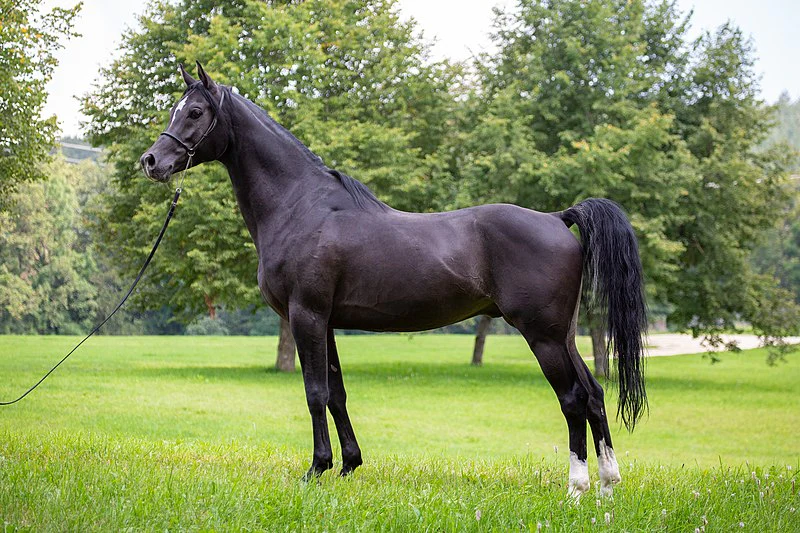
Grooming and Coat Maintenance
Friesians are famous for their long, flowing manes and tails, as well as their feathered legs. Regular grooming prevents tangles, skin issues, and keeps their coat glossy. Use a detangling spray and a wide-tooth comb for the mane and tail, and check feathers for debris or signs of skin irritation. Bathing should be done as needed, using gentle shampoos to avoid stripping natural oils.
Nutrition and Feeding
These horses require a diet rich in high-quality forage, supplemented with grains or concentrates as needed for their workload. Access to clean water and salt blocks is essential. Monitor body condition regularly, as Friesians can be prone to weight gain if overfed or under-exercised.
Stable and Pasture Management
Stallions need secure fencing and ample space to move. Individual turnout is often safest, but visual contact with other horses can reduce stress. Clean stalls daily, provide adequate bedding, and ensure good ventilation to prevent respiratory issues.
Safe Handling and Training Strategies
Working with Friesian stallions requires confidence, consistency, and respect. Handlers should be familiar with basic safety protocols and use appropriate equipment, such as sturdy halters and lead ropes. Positive reinforcement and clear boundaries are crucial for building trust and respect.
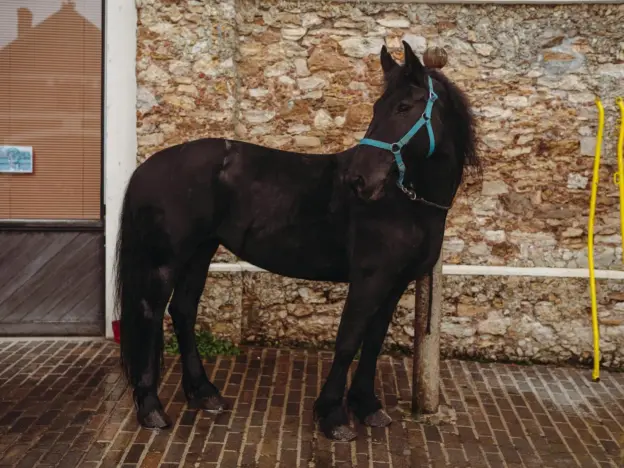
- Groundwork: Start with groundwork exercises to establish respect and responsiveness. Consistent cues and calm, assertive energy help prevent pushy or aggressive behavior.
- Leading and tying: Always lead stallions with attention to their body language. Use safe tying techniques and never leave a stallion unattended in situations where he could become entangled.
- Riding and exercise: Regular exercise is vital for both physical health and mental stimulation. Friesians excel in dressage, driving, and pleasure riding, but training sessions should be varied to keep them engaged.
For those interested in the breed’s versatility and presence in popular culture, the article on Friesian horse in movies and media highlights their roles in film and television.
Health Considerations and Preventive Care
Maintaining the health of a Friesian stallion involves regular veterinary care, farrier visits, and attention to breed-specific concerns. Friesians can be predisposed to certain conditions, such as feather mites, sweet itch, and metabolic issues.
- Vaccinations and deworming: Follow a veterinarian-recommended schedule for vaccines and parasite control.
- Hoof care: Schedule farrier visits every 6–8 weeks to prevent lameness and maintain proper hoof shape.
- Monitoring for genetic conditions: Be aware of hereditary issues like dwarfism or hydrocephalus, which are rare but possible in Friesians.
Early detection and prompt treatment of health issues are essential for long-term well-being. For a deeper look at common myths and facts about the breed, see the article on Friesian horse myths and facts.
Breeding Management and Stallion Handling
Breeding Friesian stallions requires specialized knowledge and strict protocols to ensure safety and success. Only experienced handlers should manage breeding activities, as stallions can become excitable around mares.
- Controlled environments: Use designated breeding areas with secure fencing and non-slip footing.
- Professional supervision: Work with veterinarians and breeding specialists to monitor fertility and manage breeding schedules.
- Record keeping: Maintain detailed records of breeding dates, mare cycles, and health checks.
Responsible breeding practices help preserve the breed’s qualities and minimize risks for both horses and handlers. For those seeking more information about Friesian bloodlines and breed standards, this detailed overview of Friesian horses offers a comprehensive background.
Creating a Safe and Enriching Environment
Stallions benefit from environments that balance safety, stimulation, and social contact. Consider the following when designing facilities and routines:
- Secure fencing: Use strong, well-maintained fencing to prevent escapes or injuries.
- Visual stimulation: Allow stallions to see other horses, even if direct contact is limited.
- Enrichment: Rotate toys, obstacles, or safe objects in turnout areas to prevent boredom.
Handlers should also invest time in building a strong relationship with their stallion, using positive reinforcement and consistent boundaries. For tips on deepening your connection with horses, the article on how to become a better horse owner provides practical advice for all levels.
Frequently Asked Questions
What makes Friesian stallions different from other breeds?
Friesian stallions are recognized for their elegant appearance, thick mane and tail, and gentle yet spirited temperament. Their intelligence and willingness to work set them apart, but they also require attentive management due to their size and strength.
How often should a Friesian stallion be groomed?
Daily grooming is recommended to maintain their coat, mane, and tail. Regular care helps prevent tangles, skin conditions, and keeps their feathers clean. Using quality grooming tools and products designed for long-haired breeds is especially helpful.
Can Friesian stallions be kept with other horses?
While Friesian stallions enjoy social interaction, they are often best kept in individual turnout for safety. Visual contact with other horses can reduce stress, but direct contact should be managed carefully, especially around mares or other stallions.
Conclusion
Effective Friesian horse stallion management combines attentive care, understanding of behavior, and safe handling practices. By providing a structured environment, regular health care, and positive training, handlers can ensure their stallion thrives both physically and mentally. With the right approach, Friesian stallions can be rewarding partners in the stable, arena, and beyond.