

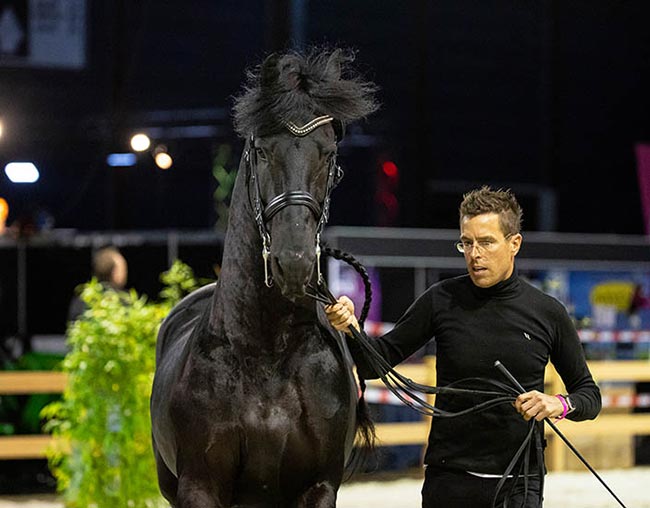
Friesian horses are admired for their striking black coats, flowing manes, and gentle temperament. However, their thick coats and unique physiology require special attention during the colder months. Proper winter care for Friesian horses is essential to maintain their health, comfort, and safety as temperatures drop. This article provides practical advice for keeping your Friesian warm, healthy, and protected throughout winter.
Whether you’re a new owner or have years of experience, understanding the specific needs of this breed can make a significant difference in their well-being. For a deeper dive into their history, characteristics, and year-round management, explore our complete guide to Friesian horses.
Understanding Friesian Horses’ Needs in Cold Weather
Friesians are a hardy breed, originally developed in the Netherlands, but their long, dense hair and feathered legs can pose challenges in wet and freezing conditions. Their thick coats offer some natural insulation, but Friesians are susceptible to certain winter-related issues, such as mud fever, rain rot, and weight loss. Paying close attention to their environment, nutrition, and grooming routines is crucial during winter.
Unlike some lighter breeds, Friesians may not always grow a heavy enough winter coat to withstand extreme cold, especially if clipped or kept in open fields. Monitoring your horse’s body condition and adjusting care routines as needed helps prevent health problems before they arise.
Essential Shelter and Stable Management
Providing adequate shelter is a cornerstone of winter care for Friesian horses. A well-ventilated, dry, and draft-free stable helps protect your horse from wind, rain, and snow. If your Friesian spends time outdoors, ensure access to a sturdy run-in shed or barn where they can escape harsh weather.
- Bedding: Use deep, absorbent bedding such as straw or shavings to insulate against cold floors and keep hooves dry.
- Ventilation: Good airflow prevents respiratory issues, but avoid direct drafts on your horse.
- Regular Cleaning: Remove wet bedding and manure daily to reduce the risk of thrush and other infections.
Check the stable for leaks or damp spots, as Friesians’ feathered legs are prone to skin conditions when exposed to prolonged moisture. If your horse is clipped, consider blanketing to provide extra warmth, but always choose breathable, well-fitted rugs to avoid overheating or rubbing.
Nutrition and Hydration During Winter
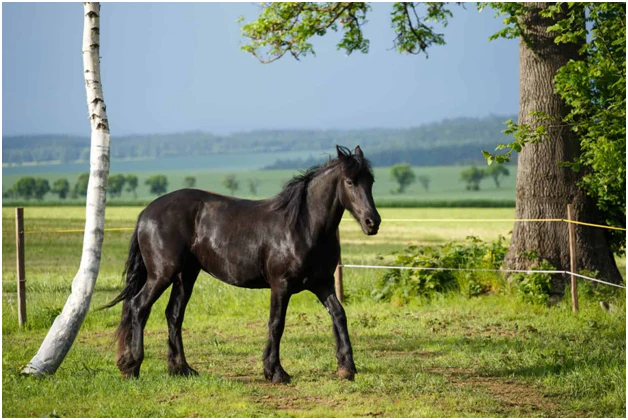
Maintaining a healthy diet is vital for Friesians in cold climates. Horses generate body heat through digestion, so increasing forage—such as hay—helps them stay warm. Monitor your Friesian’s weight regularly, as they may require more calories to maintain condition when temperatures drop.
- Forage: Offer free-choice hay to support natural heat production and gut health.
- Supplements: Consider adding vitamins and minerals if pasture quality declines in winter.
- Water: Ensure access to fresh, unfrozen water at all times. Heated buckets or trough heaters can prevent ice buildup.
Dehydration is a common risk in winter, as horses may drink less if water is too cold. Encourage drinking by providing tepid water and soaking hay if necessary. Regularly check water sources to ensure they remain ice-free and clean.
Grooming and Hoof Care for Friesians in Winter
Consistent grooming is especially important for Friesians during the colder months. Their long manes, tails, and feathered legs can trap moisture and mud, increasing the risk of skin infections. Use grooming sessions to check for early signs of rain rot, mud fever, or other skin issues.
- Daily Brushing: Remove mud and debris from the coat and feathers to keep skin healthy.
- Hoof Care: Pick out hooves daily to prevent packed snow, ice balls, and thrush.
- Trim Feathers: If your Friesian is prone to mud fever, consider trimming feathers slightly for easier cleaning, but avoid removing them entirely as they offer some protection.
Using quality grooming tools and gentle shampoos can help maintain the health and shine of your Friesian’s coat. If you’re looking for recommended products, the Weaver Grooming Kit and Mane ‘n Tail Combo are popular choices among horse owners.
Exercise and Turnout Strategies in Cold Months
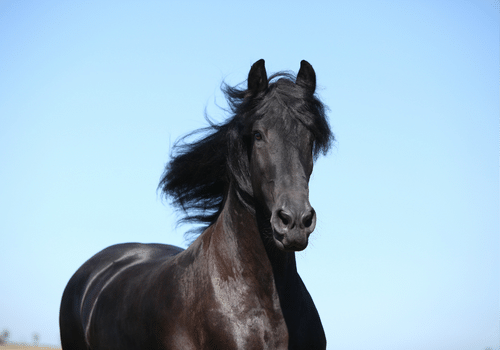
Regular movement is essential for Friesians, even during winter. Exercise supports circulation, digestion, and mental well-being. However, icy or muddy paddocks can increase the risk of slips and injuries. To keep your horse active and safe:
- Clear snow and ice from turnout areas whenever possible.
- Limit turnout during severe weather, but avoid keeping your horse stabled 24/7.
- Use sand or non-toxic de-icers in high-traffic areas to prevent slipping.
- Adjust exercise routines to match weather conditions—consider indoor arenas or hand-walking if outdoor riding isn’t safe.
Monitor your Friesian for signs of stiffness or discomfort, particularly in older horses. Gentle warm-ups and cool-downs are important to prevent muscle strains in cold weather.
Preventing Common Winter Health Issues
Friesians can be prone to certain health problems in winter, including respiratory infections, skin conditions, and weight loss. Proactive management is key:
- Monitor Body Condition: Regularly check for weight loss under the winter coat.
- Check for Skin Problems: Inspect legs and feathers for signs of mud fever or dermatitis.
- Vaccinations and Deworming: Stay current with veterinary care, as winter can stress the immune system.
- Dental Care: Ensure teeth are checked annually, as dental issues can affect feed intake and condition.
If you notice any changes in appetite, behavior, or appearance, consult your veterinarian promptly. Early intervention helps prevent minor issues from becoming serious health concerns.
For more on daily routines and responsibilities, see our article on horse ownership responsibilities.
Breed-Specific Considerations for Friesians in Winter
The Friesian’s unique features, such as their thick mane and feathered legs, require extra attention in cold, wet weather. Their dark coat can absorb sunlight, offering some warmth on sunny days, but also makes mud and debris more visible. Owners should be vigilant about grooming and skin checks.
Friesians are also known for their calm demeanor, but some individuals may be more sensitive to cold or changes in routine. Watch for signs of stress, such as shivering, reluctance to move, or changes in appetite. Adjust your care plan based on your horse’s individual needs and preferences.
To learn more about the breed’s history and conservation, visit the Friesian horse conservation success story.
Frequently Asked Questions
How can I tell if my Friesian is too cold in winter?
Watch for signs such as shivering, cold ears, tucked tail, or huddling in a corner. Check under the blanket or coat for warmth. If your horse seems uncomfortable, provide additional shelter, bedding, or a heavier blanket as needed.
Should I blanket my Friesian during winter?
Blanketing depends on your horse’s coat, health, and living conditions. If your Friesian is clipped, older, or loses weight easily, a well-fitted, breathable blanket can help. Always remove blankets daily to check for rubs or skin issues.
What is the best way to prevent mud fever in Friesians?
Keep legs clean and dry, provide deep bedding, and avoid turnout in muddy paddocks when possible. Regularly inspect and gently clean feathers, and use topical treatments if early signs of mud fever appear. Consult your vet for persistent cases.
Conclusion
Providing attentive winter care for Friesian horses ensures your horse stays healthy, comfortable, and happy throughout the colder months. Focus on shelter, nutrition, grooming, and regular exercise, and always adapt your approach to your horse’s individual needs. With the right management, Friesians can thrive in winter and continue to impress with their beauty and spirit. For more tips on equine communication and daily routines, see our guides on equine behavior and communication and equestrian lifestyle tips.