


Maintaining strong, healthy hooves is essential for every Friesian horse. These majestic horses are known for their beauty and athleticism, but their hooves can be prone to certain issues if not cared for properly. Friesian horse hoof health tips are especially important for preventing common problems like abscesses and thrush, which can cause pain, lameness, and even long-term damage if left untreated. By understanding the unique needs of Friesian hooves and following a proactive care routine, owners can help their horses stay sound and comfortable year-round.
Whether you’re a new Friesian owner or have years of experience, learning the best practices for hoof care can make a significant difference. This article covers practical strategies for daily maintenance, environmental management, and early detection of hoof conditions. For a broader perspective on the breed, you might also find the complete guide to Friesian horses helpful as a resource.
Understanding Friesian Hoof Structure and Challenges
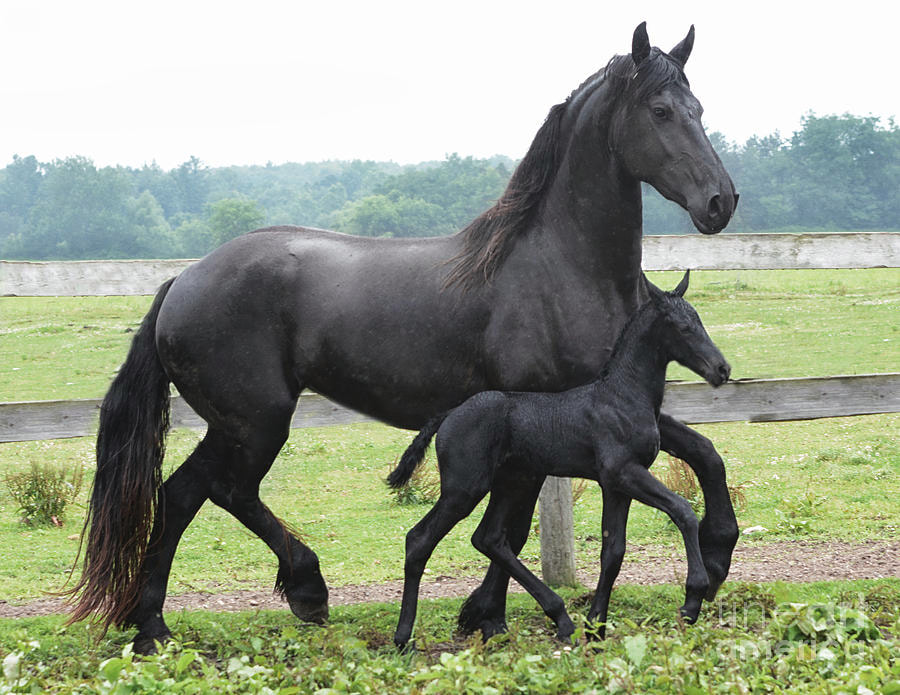
Friesians are admired for their elegant movement and feathered legs, but their hoof structure can present unique challenges. Compared to some other breeds, Friesians often have larger, rounder feet with softer horn and more moisture retention. This makes them more susceptible to hoof infections and abscesses, especially in wet or muddy conditions.
Genetics, environment, and management all play a role in hoof health. Regular observation and prompt attention to any changes are key to preventing minor issues from becoming serious problems. For more insights into the breed’s characteristics and care needs, the Friesian horse breed profile provides detailed information.
Daily Hoof Care Routines for Friesians
One of the most effective Friesian horse hoof health tips is establishing a consistent daily routine. This not only helps prevent abscesses and thrush but also allows you to spot early signs of trouble. Here are some essential steps:
- Pick out hooves daily: Remove dirt, manure, and stones from the frog and sole. Pay special attention to the sulci (grooves) around the frog where bacteria can hide.
- Inspect for abnormalities: Look for heat, swelling, foul odor, or discharge, which may indicate infection or injury.
- Keep feathers clean and dry: Friesians’ long feathering can trap moisture and debris, increasing the risk of thrush. Gently wash and dry the lower legs as needed.
- Use appropriate grooming tools: Invest in a sturdy hoof pick and a soft brush for cleaning. For a comprehensive grooming experience, consider products like the Weaver Grooming Kit and Mane ‘n Tail Combo, which support both hoof and coat care.
Preventing Abscesses in Friesian Hooves
Abscesses are a common cause of sudden lameness in horses and can be particularly troublesome for Friesians. These painful pockets of infection often result from bacteria entering the hoof through cracks, punctures, or weakened white line areas. To reduce the risk:
- Maintain regular farrier visits: Schedule trims every 6–8 weeks to prevent overgrowth, flares, and cracks that can allow bacteria to enter.
- Monitor turnout conditions: Wet, muddy pastures soften hooves and increase the risk of abscesses. Provide dry standing areas and rotate turnout if possible.
- Check for stones and debris: Small stones lodged in the white line or sole can create entry points for infection.
- Apply topical hoof hardeners if recommended by your farrier or veterinarian, especially during wet seasons.
Early detection is crucial. If your Friesian suddenly becomes lame, feels heat in the hoof, or reacts to hoof testers, consult your veterinarian or farrier promptly for diagnosis and treatment.
Thrush Prevention and Management for Friesians
Thrush is a bacterial or fungal infection that affects the frog and surrounding tissue, often producing a strong odor and black, crumbly discharge. Friesians, with their dense feathering and moist environments, are especially vulnerable. Here are some hoof health tips for minimizing thrush risk:
- Keep bedding clean and dry: Remove wet spots daily and use absorbent materials like wood shavings or straw.
- Trim feathers as needed: If your Friesian is prone to thrush, consider trimming feathers around the pastern to improve airflow and reduce moisture retention.
- Use thrush treatments: Apply commercial thrush remedies or mild antiseptics at the first sign of infection, following your vet’s advice.
- Encourage movement: Regular exercise promotes circulation and natural cleaning of the hooves.
Persistent thrush may indicate underlying hoof conformation issues or chronic dampness. Work with your farrier to address any structural problems and adjust management practices as needed.
Nutrition and Environmental Factors Affecting Hoof Quality
Diet and environment play a significant role in maintaining strong hooves. Friesians benefit from balanced nutrition that supports hoof growth and resilience. Consider these factors:
- Provide adequate biotin, zinc, and methionine: These nutrients are essential for healthy hoof horn production. Consult your veterinarian or equine nutritionist for appropriate supplementation.
- Avoid excessive sugars and starches: High-sugar diets can contribute to metabolic issues that affect hoof health.
- Ensure clean, dry living spaces: Good drainage in stalls and paddocks helps prevent moisture-related hoof problems.
- Monitor for signs of laminitis: Friesians are not immune to metabolic hoof diseases. Early intervention is key if you notice changes in stance, gait, or hoof shape.
For more advice on daily routines and responsibilities, the article on horse ownership responsibilities provides practical tips for equine care.
Working with Professionals: Farriers and Veterinarians
Building a strong relationship with your farrier and veterinarian is one of the most important Friesian horse hoof health tips. These professionals can identify subtle changes, recommend corrective trimming or shoeing, and guide you through treatment options if problems arise. Schedule regular checkups and communicate any concerns promptly.
Don’t hesitate to seek a second opinion if your horse’s hoof issues persist or if you feel your current management plan isn’t effective. Proactive, informed care is the best defense against chronic hoof problems.
Frequently Asked Questions
How often should Friesian horses have their hooves trimmed?
Most Friesians benefit from hoof trims every 6–8 weeks. However, the exact schedule may vary based on growth rate, activity level, and environmental conditions. Regular trims help prevent cracks, flares, and imbalances that can lead to abscesses or thrush.
What are the early signs of thrush in Friesian hooves?
Early signs include a strong, unpleasant odor, black or dark discharge from the frog, and a soft or crumbly frog texture. You may also notice sensitivity or mild swelling around the heel bulbs. Prompt cleaning and treatment can prevent the infection from worsening.
Are Friesians more prone to hoof problems than other breeds?
Friesians can be more susceptible to certain hoof issues due to their softer hoof horn, feathering, and tendency to retain moisture. With attentive care and proper management, however, most Friesians maintain healthy, sound hooves throughout their lives.
Conclusion
Proactive hoof care is essential for every Friesian owner. By following these practical strategies—daily cleaning, regular farrier visits, environmental management, and early intervention—you can help your horse avoid painful conditions like abscesses and thrush. For further reading on Friesian care and equine management, explore resources such as the how to become a better horse owner guide and related articles. Consistent attention and informed decisions will ensure your Friesian’s hooves remain healthy and strong for years to come.