

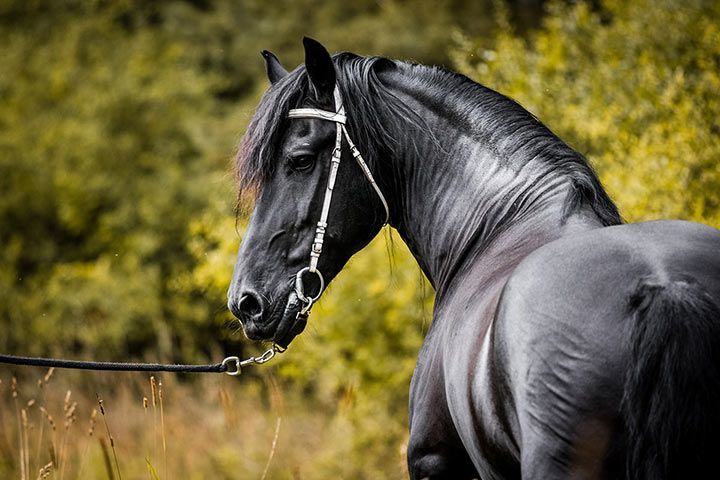
Finding a well-fitting saddle for a Friesian horse is essential for both comfort and performance. Friesians are known for their majestic appearance, upright necks, and powerful builds, but their unique conformation can make saddle selection a challenge. This Friesian horse saddle fitting guide will help you understand what to look for, how to avoid common pitfalls, and how to ensure your horse’s well-being under saddle.
Before diving into the details, it’s helpful to understand the breed’s background and how their anatomy impacts tack choices. For a broader perspective on Friesian characteristics and care, explore the complete guide to Friesian horses.
Understanding Friesian Anatomy and Saddle Fit Challenges
Friesian horses are admired for their elegant movement, expressive faces, and thick manes. However, their body shape presents unique challenges when it comes to saddle fitting. Most Friesians have:
- Broad, flat backs with minimal wither definition
- Shorter, wide-coupled backs
- Upright shoulders and a deep girth area
- Well-sprung ribs and a rounded barrel
These features mean that many off-the-shelf saddles, especially those designed for high-withered or narrow horses, will not sit correctly on a Friesian. Poor fit can cause discomfort, behavioral issues, and even long-term back problems.
Key Elements of a Proper Friesian Saddle Fit
When selecting tack for your Friesian, focus on these critical elements to ensure a secure and comfortable fit:
- Tree Width and Shape: Friesians often require a wide or extra-wide tree. The tree should match the horse’s back shape, distributing weight evenly without pinching.
- Panel Contact: The saddle panels must make even contact along the back, avoiding bridging or rocking. A panel that is too curved can create pressure points.
- Wither and Spine Clearance: Even though Friesians have low withers, there must still be adequate clearance to prevent rubbing and pressure.
- Gullet Width: A wide gullet is necessary to keep the saddle off the spine and allow freedom of movement.
- Seat Balance: The saddle should sit level, allowing the rider to maintain a balanced position without tipping forward or backward.
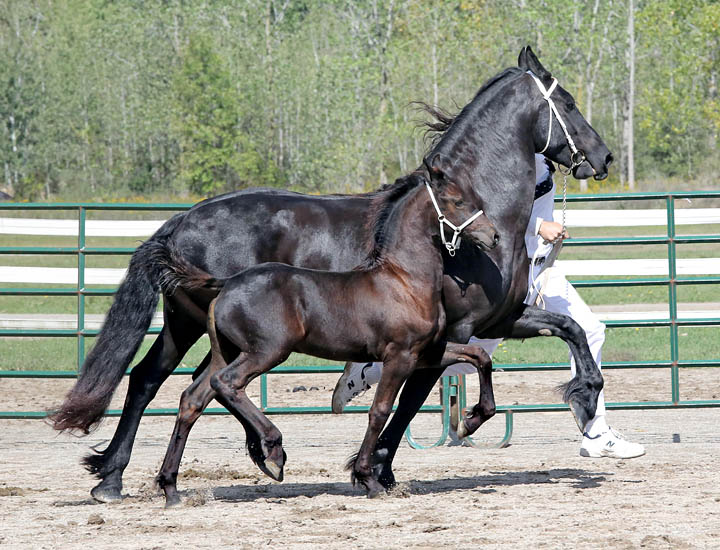
Types of Saddles Suitable for Friesians
While many Friesians are used for dressage, driving, and pleasure riding, the right saddle depends on your chosen discipline. Here are some common options:
- Dressage Saddles: These often work well due to their straight flaps and deep seats. Look for models with wide trees and broad panels.
- All-Purpose Saddles: Some all-purpose saddles are available in wide fits, but always check the panel shape and tree width.
- Baroque and Classical Saddles: Designed for baroque breeds, these saddles often accommodate the Friesian’s back shape and are popular for exhibitions and traditional riding.
- Custom Saddles: For horses with particularly challenging conformation, a custom saddle may be the best investment. Many saddle makers now offer models specifically for Friesians and other baroque breeds.
It’s important to try several saddles and, if possible, work with a professional saddle fitter who understands the nuances of Friesian anatomy.
How to Check Saddle Fit on Your Friesian
Once you have a saddle that seems suitable, follow these steps to check the fit:
- Place the saddle (without a pad) on your horse’s back. It should sit level and not tip forward or backward.
- Check for even contact along the panels. There should be no bridging (gaps in the middle) or rocking.
- Ensure you can fit 2–3 fingers between the withers and the pommel.
- Slide your hand under the panels along the back. Pressure should be even, with no obvious tight spots.
- Check the gullet width. There should be clear space along the spine from front to back.
- Girth up and observe the saddle’s stability. It should not shift side to side or bounce when the horse moves.
- Have a knowledgeable friend or professional observe you riding. Your position should feel balanced, and your horse should move freely without resistance.
Regularly recheck fit, as Friesians can change shape with age, training, or changes in nutrition. For more on Friesian health and feeding, see this nutrition resource for Friesians.
Common Saddle Fitting Issues in Friesians
Even with careful selection, Friesians can experience saddle fit problems. Watch for these warning signs:
- Saddle slipping to one side or backward
- Dry spots or ruffled hair after riding
- Behavioral changes, such as reluctance to move forward or pinning ears when saddled
- Visible back soreness or muscle atrophy
If you notice any of these issues, consult a saddle fitter or equine professional. Sometimes, minor adjustments such as using a corrective pad can help, but persistent problems may require a different saddle altogether.
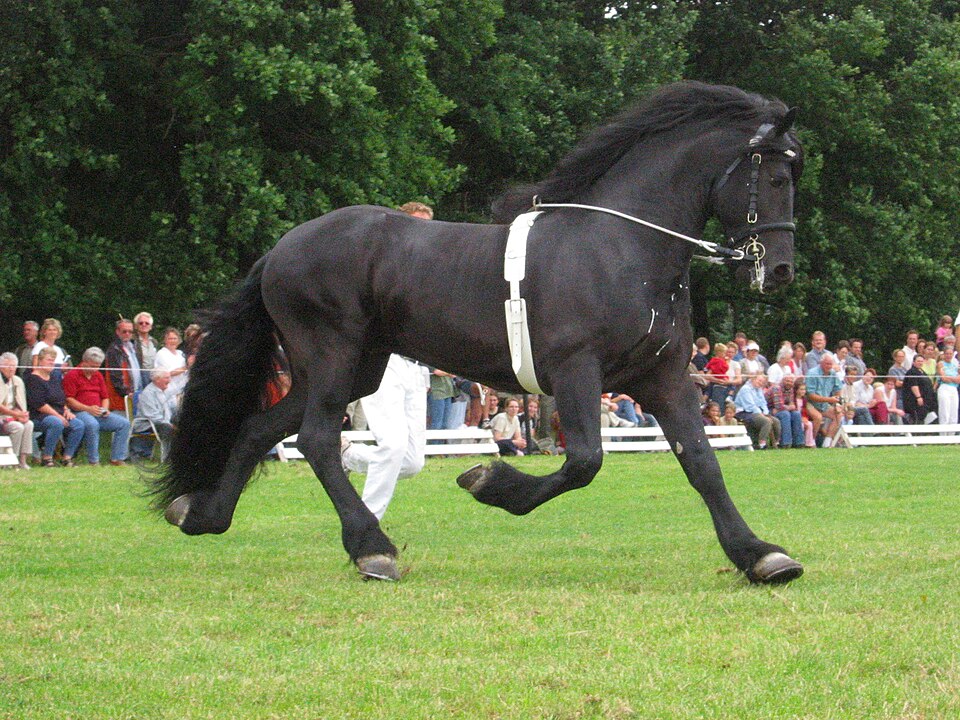
Tips for Maintaining Saddle Fit Over Time
Even the best-fitting saddle needs periodic checks. Here are some practical tips for ongoing comfort and performance:
- Schedule regular saddle fitting assessments, especially after changes in your horse’s condition or workload.
- Keep your Friesian at a healthy weight and fitness level. Significant changes in muscle or fat can affect saddle fit.
- Clean and condition your saddle regularly to maintain its shape and flexibility.
- Use appropriate saddle pads, but avoid over-padding, which can create new pressure points.
- Pay attention to your horse’s behavior and back health. Early detection of discomfort can prevent long-term issues.
For more on daily care and responsibilities, check out horse ownership responsibilities and equestrian lifestyle tips for practical advice.
Frequently Asked Questions
What size saddle tree is best for most Friesians?
Most Friesians require a wide or extra-wide tree due to their broad backs and minimal withers. However, each horse is unique, so always measure your horse and try saddles before purchasing.
Can I use a standard English or Western saddle on a Friesian?
Some standard saddles may fit, but many are too narrow or have panels that do not match the Friesian’s back shape. Look for saddles designed for wide, flat backs or consider custom options.
How often should I check my Friesian’s saddle fit?
It’s best to check saddle fit at least twice a year, or more often if your horse’s condition changes. Regular checks help prevent discomfort and long-term back issues.
What are signs that my Friesian’s saddle does not fit properly?
Warning signs include dry spots under the saddle, behavioral resistance, soreness, or the saddle slipping. If you notice any of these, consult a professional fitter.
Conclusion
Ensuring a proper saddle fit is crucial for the health and happiness of your Friesian. By understanding their unique anatomy and following the steps in this Friesian horse saddle fitting guide, you can provide comfort, prevent injury, and enhance your riding experience. Remember to consult professionals when in doubt and prioritize your horse’s well-being at every stage.