

Dressage riders and trainers are always seeking ways to improve performance, precision, and communication between horse and rider. One of the most effective modern tools for this pursuit is video analysis for dressage training. By reviewing footage of training sessions or competitions, equestrians can gain valuable insights that are often missed in the moment. This approach allows for objective self-assessment, targeted feedback, and a clearer understanding of both strengths and areas needing improvement.
Incorporating video review into your routine can help you identify subtle issues in posture, timing, and aids. It also provides a record of progress over time, making it easier to set realistic goals and celebrate achievements. For those interested in optimizing safety and comfort during rides, resources like how to choose a helmet for eventing offer additional guidance on essential equipment.
Why Use Video Review in Dressage?
The value of video feedback in equestrian sports is well recognized. In dressage, where precision and subtlety are paramount, even minor adjustments can have a significant impact on performance. Watching yourself ride allows you to:
- Spot inconsistencies in your position, seat, and aids that may not be apparent during the ride.
- Observe your horse’s movement and reactions from a new perspective.
- Compare your performance against previous sessions to track improvement.
- Share footage with coaches or peers for remote feedback and collaborative learning.
This method is especially useful for riders who train alone or want to supplement in-person lessons. By integrating dressage video analysis into your training, you can make more informed decisions about your schooling plan and competition preparation.
Setting Up for Effective Video Sessions
To get the most out of your recordings, a little preparation goes a long way. Here are some tips for capturing clear, useful footage:
- Use a tripod or stable surface to avoid shaky videos.
- Position the camera at C or at a corner of the arena for the best view of movements.
- Record in good lighting conditions to ensure details are visible.
- Ask a friend to film or use a remote-controlled camera if possible.
- Capture the entire session, not just highlights, to provide a complete picture.
Many riders find it helpful to review both training and competition footage. This allows you to see how your skills transfer under pressure and in different environments.
Key Areas to Focus on When Reviewing Footage
When analyzing your videos, it helps to have a structured approach. Focus on the following aspects to maximize learning:
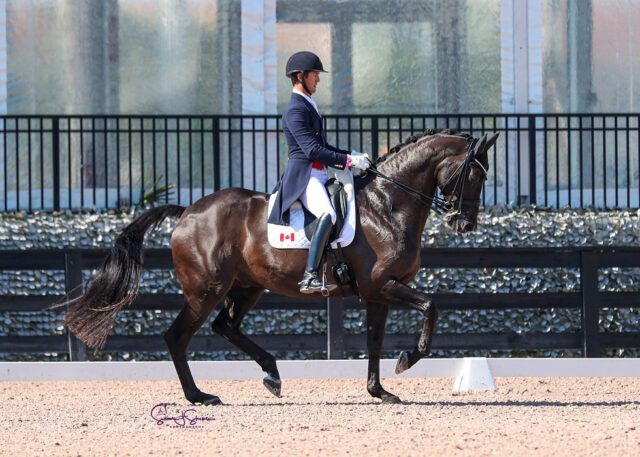
- Rider Position and Symmetry: Check your alignment, seat depth, and hand position. Are your shoulders level? Is your core engaged?
- Effectiveness of Aids: Watch for clarity and timing in your leg, seat, and rein aids. Are your cues consistent and subtle?
- Horse’s Way of Going: Observe rhythm, straightness, and suppleness. Is your horse moving forward willingly and evenly?
- Transitions and Movements: Review the accuracy and fluidity of transitions, circles, and lateral work. Are movements performed at the correct markers?
- Overall Impression: Consider the harmony and partnership between you and your horse. Does the ride look effortless and connected?
Taking notes or using slow-motion playback can help you catch details that might be missed at full speed. Some riders also find it useful to compare their videos with professional performances or instructional material, such as the guidance found in step-by-step dressage tutorials.
Integrating Feedback Into Your Training Plan
The real power of video analysis for dressage training lies in applying what you learn to future rides. After identifying areas for improvement, set specific, achievable goals for your next session. For example, if you notice your hands are unsteady during transitions, focus on exercises that promote a quieter contact.
Share your footage with your coach or a knowledgeable friend for additional perspective. Many trainers now offer remote coaching, where you can send videos and receive detailed feedback. This is especially helpful for riders who may not have regular access to in-person instruction.
Over time, you’ll build a library of videos that document your progress. Reviewing older footage can be motivating and provide evidence of how far you and your horse have come.
Common Challenges and How to Overcome Them
While reviewing your own rides on video is highly beneficial, it can also feel uncomfortable at first. Many riders are surprised by how different their rides look compared to how they feel. Here are some tips to make the process more productive:
- Be objective: Focus on facts, not feelings. Look for patterns and specific moments rather than general impressions.
- Set small goals: Choose one or two areas to work on at a time to avoid feeling overwhelmed.
- Celebrate progress: Acknowledge improvements, no matter how minor. Progress in dressage is often incremental.
- Seek support: Share your videos with trusted coaches or peers for constructive feedback and encouragement.
For those interested in optimizing all aspects of their riding, including equipment and safety, consider exploring resources like how to evaluate helmet weight for neck comfort to further enhance your overall experience.
FAQ
What equipment do I need for recording dressage sessions?
A smartphone or digital camera with video capability is usually sufficient. For best results, use a tripod or a stable mounting surface to keep the footage steady. If possible, enlist a friend to film or invest in a remote-controlled camera for more flexibility.
How often should I review my dressage videos?
Regular review is key. Many riders benefit from analyzing at least one session per week, but even occasional reviews can provide valuable insights. The frequency depends on your goals and schedule.
Can video analysis replace in-person coaching?
While video review is a powerful supplement, it is not a complete substitute for hands-on instruction. Combining both approaches yields the best results, allowing you to receive immediate feedback in lessons and reinforce learning through self-review.
Conclusion
Incorporating video analysis for dressage training into your routine is a practical, accessible way to accelerate your progress and deepen your understanding of both your riding and your horse’s development. With consistent use, this method can help you set clear goals, track improvement, and enjoy a more rewarding partnership in the arena.