

Dressage is often described as the art of harmonious communication between rider and horse. But what does it actually take for a horse to master the intricate movements seen in the dressage arena? Understanding how horses learn dressage movements can help riders, trainers, and enthusiasts appreciate the patience, skill, and methodical training required for success.
This article explores the learning process from the horse’s perspective, outlines the foundational principles of dressage education, and offers practical insights for anyone interested in helping their equine partner progress. For those also concerned with rider safety and equipment, you may find it helpful to review how to choose a helmet for eventing to ensure a safe and comfortable experience during training.
Understanding the Basics of Equine Learning
Horses are intelligent animals capable of learning complex patterns and cues through repetition, consistency, and positive reinforcement. In dressage, the training process is built on the horse’s natural instincts and their ability to associate specific aids (signals from the rider) with desired actions.
The foundation of all advanced dressage movements lies in the basics: rhythm, relaxation, contact, impulsion, straightness, and collection. Before a horse can perform lateral work or flying changes, it must first understand and respond reliably to basic aids such as walk, trot, canter, and transitions between gaits.
Key Principles in Teaching Dressage Movements
When exploring how horses learn dressage movements, it’s essential to recognize the core principles that guide effective training:
- Clarity of Aids: Riders must deliver clear, consistent signals so the horse can associate each aid with a specific response.
- Repetition and Consistency: Horses learn through repetition. Practicing movements regularly helps reinforce the correct response.
- Timing and Release: Immediate release of pressure or reward when the horse responds correctly teaches them what is expected.
- Patience: Every horse learns at its own pace. Rushing the process can lead to confusion or resistance.
- Positive Reinforcement: Rewards such as a soft voice, a pat, or a break can encourage horses to repeat desired behaviors.
Stages of Dressage Training for Horses
The journey from a green horse to a dressage athlete follows a structured progression. Here’s how the process typically unfolds:
Building Trust and Confidence
The first stage focuses on groundwork, desensitization, and basic handling. Horses learn to trust their handlers and become comfortable with new environments, equipment, and routines.

Introducing Basic Aids and Movements
Once trust is established, the horse is introduced to the rider’s weight and the basic aids. Early sessions focus on moving forward, stopping, turning, and yielding to leg and rein pressure. The horse learns to associate these cues with specific actions, forming the building blocks for more advanced work.
Progressing to Lateral Work and Collection
As the horse becomes more balanced and responsive, lateral movements such as leg-yield, shoulder-in, and travers are introduced. These exercises improve suppleness, flexibility, and engagement of the hindquarters. Gradually, collection is developed, allowing the horse to carry more weight on the hind legs and perform movements like half-pass, pirouettes, and flying changes.
Common Challenges in Dressage Training
Training a horse in dressage is not without its hurdles. Some common challenges include:
- Resistance or Tension: Horses may show resistance if they don’t understand the aids or feel discomfort. Addressing the root cause with patience and clear communication is key.
- Loss of Rhythm or Balance: Maintaining rhythm and straightness can be difficult as movements become more complex. Returning to basics often helps restore balance.
- Plateaus in Progress: It’s normal for horses to hit training plateaus. Varying exercises and allowing time for mental and physical rest can help overcome these periods.
Role of the Rider in the Learning Process
The rider’s skill, timing, and empathy play a crucial role in how effectively a horse learns new dressage movements. Consistent seat, hands, and legs, along with a deep understanding of the horse’s responses, make it easier for the animal to interpret and trust the rider’s cues.
Riders should also be attentive to their own safety and comfort. For example, understanding common equestrian helmet fitting mistakes can help prevent distractions and injuries during training sessions.
Practical Tips for Teaching Dressage Movements
- Break down complex movements into smaller, manageable steps.
- Reward even small attempts to encourage progress.
- Keep training sessions short and positive to prevent mental fatigue.
- Use ground poles and cones to help with straightness and accuracy.
- Regularly revisit foundational exercises to reinforce good habits.
Learning Through Observation and Mimicry
Horses are observant and can learn by watching other horses perform certain tasks. Riding with experienced horses or practicing in a group setting can sometimes accelerate the learning process for young or inexperienced animals.
Resources for Further Learning
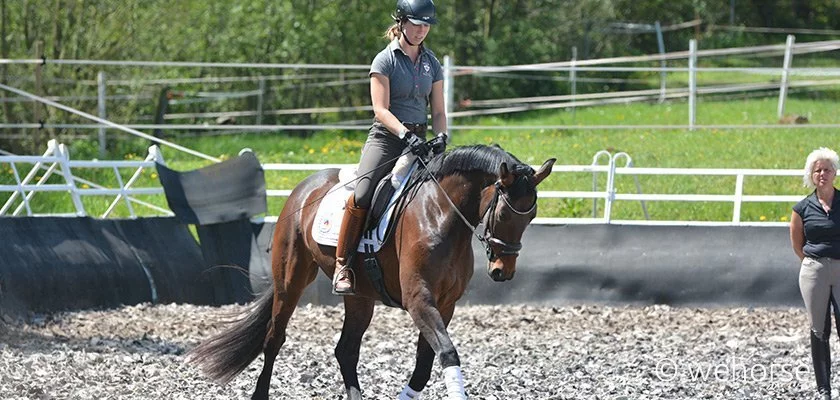
For those interested in step-by-step instructions and practical demonstrations, resources like this guide to basic dressage provide helpful visuals and explanations. Continuing education, whether through clinics, lessons, or online materials, is invaluable for both horse and rider.
Frequently Asked Questions
How long does it take for a horse to learn dressage movements?
The timeline varies depending on the horse’s age, temperament, and previous training. Some horses pick up basic movements within a few months, while mastering advanced exercises can take years of consistent practice.
What is the most important factor in teaching a horse dressage?
Consistency and patience are critical. Clear communication, regular practice, and positive reinforcement help the horse understand and enjoy the learning process.
Can any horse learn dressage?
Most horses can learn at least the basics of dressage, regardless of breed. However, some breeds are naturally more suited to the discipline due to their conformation and movement.
How can I tell if my horse is ready to move on to more advanced exercises?
If your horse responds reliably to basic aids, maintains rhythm and balance, and shows relaxation during work, it may be ready to start learning more complex movements. Always progress at a pace that suits your horse’s individual needs.
Conclusion
Helping horses master dressage movements is a gradual, rewarding process that relies on trust, clear communication, and a solid understanding of equine learning. By focusing on foundational skills, using positive reinforcement, and maintaining patience, riders can guide their horses to success in the arena. Remember, every horse is unique, and progress is best measured in small, consistent steps.