

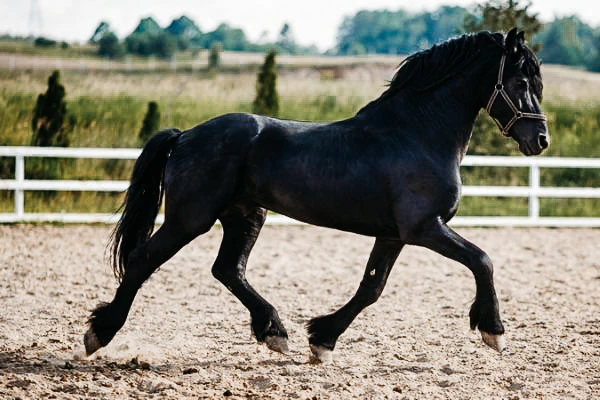
The traditional uses of Friesian horses span centuries and reflect the breed’s remarkable versatility and enduring appeal. Known for their striking black coats, flowing manes, and powerful yet elegant build, Friesians have long held a special place in human history. From the battlefields of medieval Europe to the ceremonial avenues of modern parades, these horses have adapted to a wide range of roles, each demanding a unique blend of strength, intelligence, and beauty.
This article explores how Friesians have served as warhorses, carriage horses, and more. We’ll look at their historical significance, their evolution through the ages, and the qualities that make them so well-suited to both work and display. For those interested in learning more about this iconic breed, the complete guide to Friesian horses offers an in-depth look at their characteristics, care, and modern uses.
The Friesian Horse as a Medieval Warhorse
One of the most renowned traditional uses of Friesian horses was as a warhorse during the Middle Ages. Their robust physique, high-stepping gait, and calm temperament made them ideal mounts for knights in armor. Friesians were strong enough to carry heavily armed riders into battle, yet agile enough to maneuver quickly in the chaos of combat.
Historical records from the region now known as the Netherlands describe Friesians as prized assets in cavalry units. Their presence on the battlefield was both practical and symbolic—these horses projected power and prestige, often leading charges or carrying banners. The breed’s stamina and courage under pressure contributed to their reputation as reliable warhorses, a legacy that still influences their image today.
From Battlefields to Carriageways: The Rise of the Friesian Carriage Horse
As warfare evolved and the need for armored cavalry declined, Friesians found new purpose pulling carriages and coaches. Their elegant movement, combined with a commanding presence, made them favorites among European nobility for ceremonial processions and formal events. The breed’s natural high knee action and glossy black coat created a dramatic effect, especially when harnessed in pairs or teams.
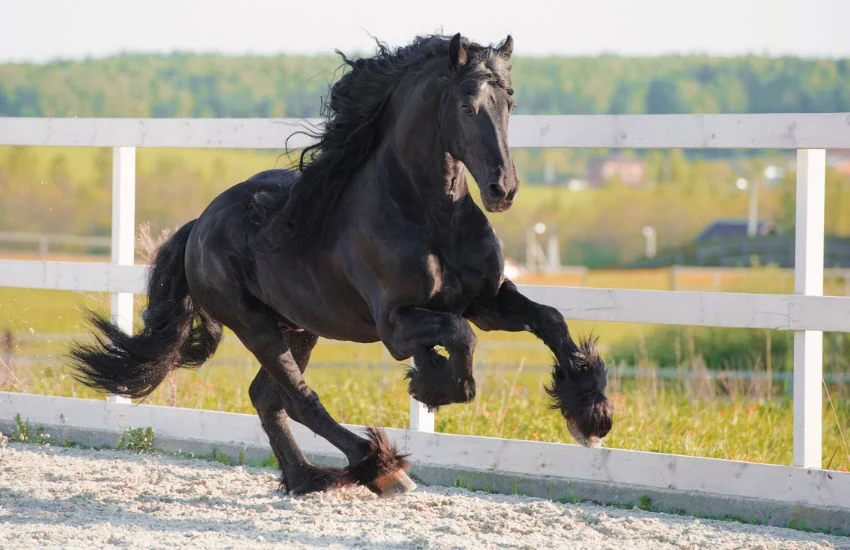
In the 18th and 19th centuries, Friesians were especially popular in the Netherlands and neighboring countries for pulling royal coaches and town carriages. Their reliability and striking appearance made them a symbol of status and sophistication. Even today, Friesians are a top choice for carriage driving competitions and public ceremonies, where their heritage as carriage horses is on full display.
Friesians in Agriculture and Everyday Life
Beyond the grandeur of war and ceremony, Friesians have also played a role in agriculture and daily work. Their strength and willingness to work made them valuable for plowing fields, hauling loads, and performing other farm tasks. While not as commonly used for heavy draft work as some larger breeds, Friesians were appreciated for their versatility and ability to adapt to various jobs around the homestead.
The breed’s intelligence and gentle nature made them suitable for family farms, where they could be trusted with less experienced handlers. As mechanization reduced the need for working horses in agriculture, Friesians transitioned smoothly into recreational and show roles, but their agricultural roots remain an important part of their story.
Modern Roles: From Dressage to Film and Beyond
Today, the legacy of traditional uses of Friesian horses lives on in a variety of modern disciplines. Friesians excel in dressage, where their expressive movement and trainability shine. Their dramatic appearance has also made them popular in film and television, often cast in historical dramas or fantasy settings.
In addition to competitive and entertainment roles, Friesians are cherished as pleasure riding horses and companions. Their calm demeanor and willingness to bond with humans make them favorites among equestrians of all levels. For those interested in building a strong relationship with their horse, resources like how to become a better horse owner offer valuable advice on connection and care.
Care and Grooming: Maintaining the Friesian’s Iconic Look
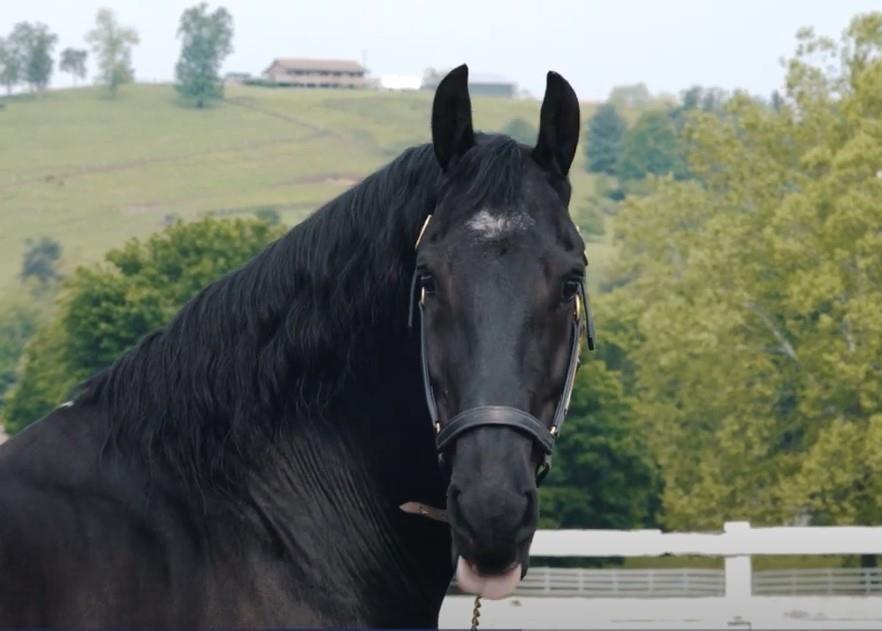
One aspect that has remained constant throughout the history of Friesians is the importance of grooming. Their long, thick manes and tails, along with feathered legs, require regular attention to keep them healthy and looking their best. Proper grooming not only enhances their appearance but also supports their well-being, especially for horses involved in public events or competitions.
For practical tips on keeping a Friesian’s coat and mane in top condition, check out these Friesian grooming tips. Investing in quality grooming products and dedicating time to regular care can make a noticeable difference in the horse’s comfort and presentation.
Legacy and Cultural Significance
The story of Friesians is deeply intertwined with European history and culture. Their image appears in art, literature, and folklore, symbolizing nobility, strength, and grace. In the Netherlands, Friesians are a source of national pride, celebrated in festivals and equestrian events. Their continued popularity in both traditional and modern roles speaks to their adaptability and enduring charm.
For those who appreciate the broader context of horse-human relationships, exploring topics like equine behavior and communication can deepen understanding of what makes Friesians—and horses in general—such valued partners throughout history.
Frequently Asked Questions
What made Friesian horses suitable for use as warhorses?
Friesians were favored as warhorses due to their strong build, calm temperament, and ability to carry armored knights. Their agility and stamina allowed them to perform well in the chaos of battle, making them reliable mounts for cavalry units.
Are Friesians still used for carriage driving today?
Yes, Friesians remain popular in carriage driving, both for ceremonial purposes and in competitive events. Their elegant movement and striking appearance make them a top choice for parades, weddings, and formal occasions.
How do you care for a Friesian’s mane and tail?
Regular grooming is essential for maintaining a Friesian’s long mane and tail. This includes gentle detangling, washing, and conditioning with quality products. For detailed advice, see these Friesian grooming tips.
What are some modern activities Friesians excel in?
Today, Friesians are successful in dressage, driving, pleasure riding, and even film work. Their intelligence and trainability make them versatile partners in a variety of equestrian disciplines.
Where can I learn more about Friesian horse care and history?
For a comprehensive overview, visit the complete guide to Friesian horses, which covers breed characteristics, care tips, and their role in history and modern life.