

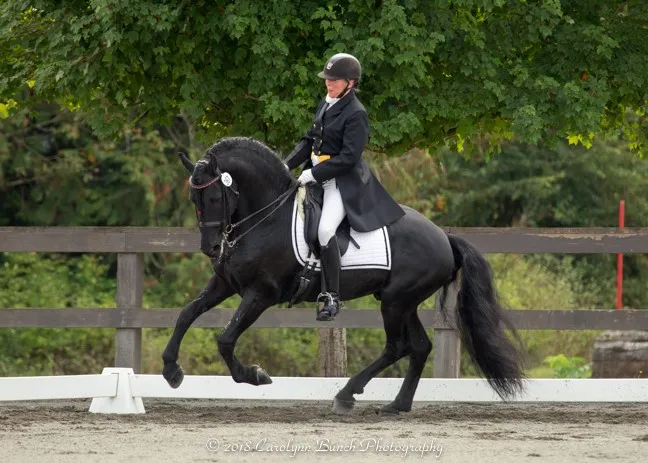
The Friesian horse training guide is essential for anyone looking to bring out the best in this magnificent breed. Known for their striking appearance, intelligence, and gentle temperament, Friesians excel in various disciplines, from dressage to driving. However, their unique characteristics also require a thoughtful approach to training. Whether you are starting with a young horse or refining the skills of an experienced partner, understanding the right methods and strategies will help you achieve lasting results.
Before diving into specific techniques, it’s important to recognize that Friesians benefit from a combination of patience, consistency, and positive reinforcement. Their willingness to learn and natural athleticism make them rewarding to work with, but their sensitive nature means that clear communication and trust-building are key. For a deeper understanding of their behavior, you may find it helpful to explore resources on equine behavior and communication, which can enhance your ability to connect with your horse.
Understanding Friesian Temperament and Learning Style
Friesians are renowned for their calm demeanor and eagerness to please, but they also have a sensitive side. This means that harsh methods or inconsistent cues can quickly undermine progress. Instead, focus on building a partnership based on mutual respect and clear communication. Spend time on groundwork to establish boundaries, reinforce leadership, and develop trust before moving on to more advanced exercises.
Because Friesians are intelligent and quick learners, they thrive on variety and mental stimulation. Incorporate new challenges regularly to keep them engaged. Simple changes in routine, such as working in different environments or introducing new obstacles, can prevent boredom and encourage curiosity.
Essential Groundwork for Friesian Horses
Every successful training program begins on the ground. For Friesians, groundwork is especially important for teaching respect, responsiveness, and basic manners. Key exercises include:
- Leading and Halting: Practice walking, stopping, and turning on cue. Use gentle pressure and release to teach your horse to respond promptly.
- Yielding to Pressure: Teach your Friesian to move away from light pressure on the halter, shoulder, or hindquarters. This skill translates directly to ridden work.
- Desensitization: Expose your horse to various objects and sounds in a controlled setting. This builds confidence and reduces the likelihood of spooking.
Consistency is crucial. Repeat exercises until your horse responds reliably, then gradually increase the level of difficulty. Remember to reward calm, attentive behavior with praise or a gentle scratch.
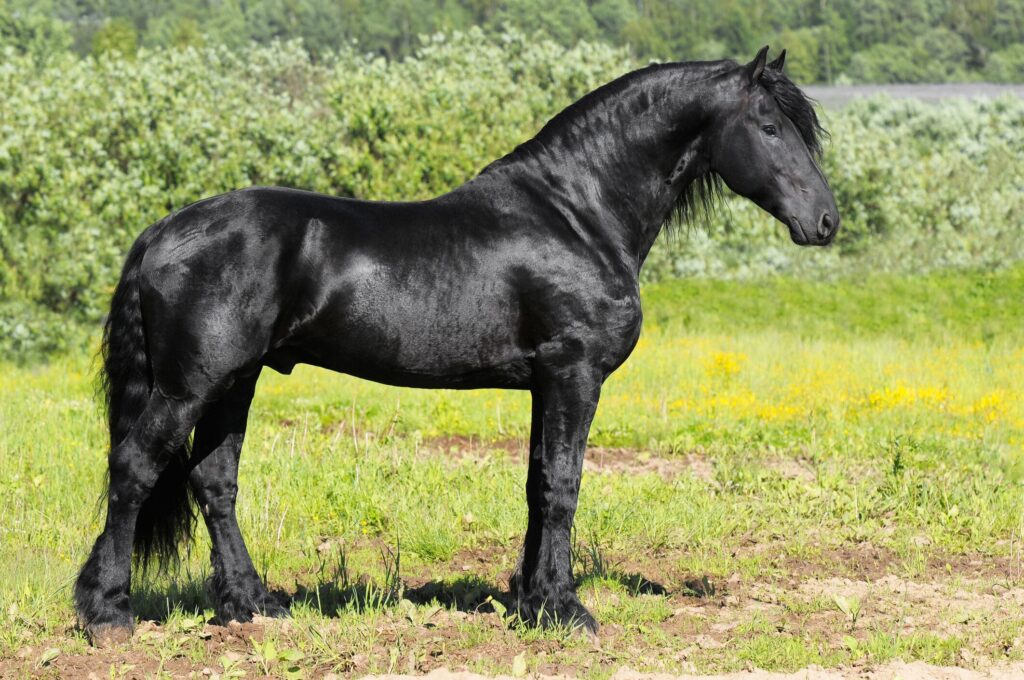
Progressing to Ridden Work: Foundation to Advanced
Once your Friesian is confident and respectful on the ground, you can begin under-saddle training. Start with short, positive sessions focused on the basics:
- Mounting and Dismounting: Practice standing quietly at the mounting block and waiting for cues before moving off.
- Walk, Trot, and Halt: Reinforce transitions using clear aids and reward prompt, relaxed responses.
- Steering and Bending: Use gentle rein and leg aids to encourage soft turns and correct bend through the body.
As your horse gains confidence, introduce more advanced exercises such as lateral movements, collection, and transitions within gaits. Friesians are naturally talented in disciplines like dressage, but their powerful build means they benefit from exercises that improve balance, flexibility, and engagement of the hindquarters.
For more in-depth breed information and care tips, you can consult the complete guide to Friesian horses for a comprehensive overview.
Maintaining Motivation: Keeping Friesians Engaged
One of the hallmarks of a successful Friesian horse training guide is the ability to keep the horse motivated. These horses appreciate variety and positive reinforcement. Here are some strategies to maintain enthusiasm:
- Mix Up the Routine: Alternate between arena work, trail rides, and groundwork sessions.
- Set Achievable Goals: Break training into manageable steps and celebrate small victories.
- Incorporate Play: Use poles, cones, or simple obstacles to make sessions fun and stimulating.
Pay attention to your horse’s body language and energy levels. If you notice signs of frustration or fatigue, take a break or switch activities. For tips on balancing your equestrian pursuits with daily responsibilities, check out these equestrian lifestyle tips.
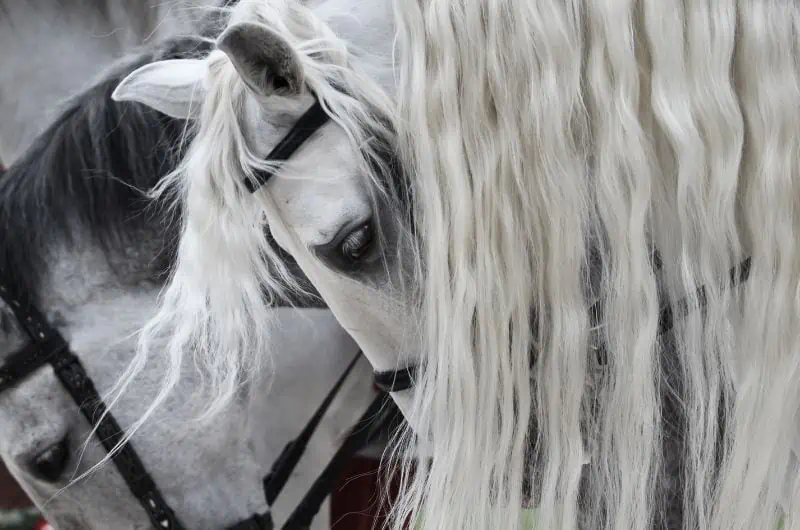
Grooming and Care: Supporting Training Success
Proper grooming is more than just keeping your Friesian looking beautiful—it’s an important part of the training process. Regular grooming sessions help build trust, allow you to check for injuries, and reinforce positive interactions. Friesians are known for their luxurious manes and tails, which require special attention to prevent tangles and maintain health. Using quality grooming tools and products, such as those found in the recommended kits above, can make a significant difference.
In addition to grooming, ensure your horse receives balanced nutrition, regular veterinary care, and appropriate turnout. A healthy, comfortable horse is more likely to perform well and enjoy training sessions. For more on responsible horse care, see these horse welfare best practices.
Common Challenges and Solutions in Friesian Training
Even with the best approach, you may encounter obstacles along the way. Some common issues include:
- Lack of Forwardness: Friesians can be laid-back and sometimes need encouragement to move energetically. Use transitions, voice cues, and positive reinforcement to build responsiveness.
- Stiffness or Resistance: Their strong build can make flexibility a challenge. Incorporate stretching exercises, circles, and lateral work to improve suppleness.
- Spookiness: While generally calm, some Friesians may be startled by new environments. Gradual exposure and consistent groundwork help build confidence.
If you’re new to horse ownership or want to deepen your connection, resources on how to become a better horse owner can provide valuable insights for developing a strong partnership.
Further Resources and Breed Information
For those interested in learning more about Friesians, their history, and suitability for different equestrian pursuits, the Friesian horse breed profile offers a detailed overview. Understanding breed-specific traits can help you tailor your training approach and set realistic expectations for progress.
Frequently Asked Questions
What is the best age to start training a Friesian horse?
Most trainers recommend beginning groundwork with Friesians as yearlings, focusing on basic manners and desensitization. Under-saddle work typically starts around age three or four, once the horse’s body is mature enough to handle the physical demands.
Are Friesians suitable for beginners?
Friesians are known for their gentle nature and willingness to please, making them a good choice for riders with some experience. However, their size and strength mean that beginners should work with a knowledgeable trainer to ensure safe and effective handling.
How often should Friesians be trained?
Consistency is key. Aim for short, regular sessions—about four to five times per week—rather than infrequent, lengthy workouts. This approach helps reinforce learning and keeps your horse motivated without causing fatigue.
Can Friesians excel in disciplines other than dressage?
Absolutely. While Friesians are celebrated for their dressage abilities, they also perform well in driving, trail riding, and even some jumping activities. Their versatility and temperament make them suitable for a variety of equestrian sports.
With the right approach and a commitment to understanding your horse’s unique personality, you can achieve remarkable results at every stage of training. Remember to stay patient, celebrate progress, and enjoy the journey with your Friesian partner.